Solo Travel Explained: Benefits, Costs & How to Start
Discover what solo travel really involves—benefits, costs, safety tips, and how to plan your first trip alone in 2026. Start your journey with confidence.
Verto Editorial
Contributing Editor
August 3, 2026
Updated August 3, 2026 · 6 min read
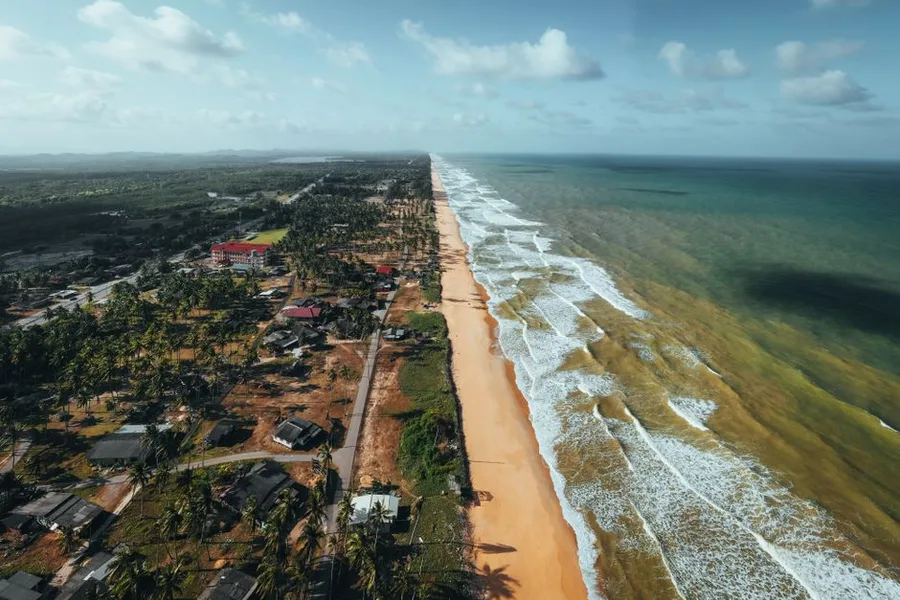
Solo travel is the act of exploring a destination without companionship, offering complete freedom to design your itinerary, pace, and budget. In 2026, it’s a mainstream choice: according to a 2025 survey by the American Society of Travel Advisors, 55% of travelers have taken a solo trip, and 32% plan to take one within the next year. Whether you’re seeking personal growth, flexibility, or a break from routine, solo travel is accessible to nearly anyone with proper planning and a willingness to step outside your comfort zone.
What Is Solo Travel?
Solo travel means journeying alone, without a partner, friend, or group. It can be a weekend city break, a multi-week backpacking adventure, or a guided tour where you join others but retain your independence. The defining feature is that you make the decisions—where to go, what to see, when to eat, and how long to stay. According to the adventure travel company Intrepid Travel’s 2024 trend report, solo travel bookings increased by 20% year-over-year, reflecting a growing appetite for self-directed experiences.
Solo travel is not the same as being lonely. Many solo travelers find it easier to meet locals and fellow travelers, as they are more approachable and open to new connections. It is a deliberate choice to prioritize your own interests and pace, not a fallback for those without companions.
Why Solo Travel Matters in 2026
Solo travel has evolved from a niche activity to a significant segment of the global tourism industry. According to the World Tourism Organization’s 2025 report, solo travelers account for 18% of all international tourist arrivals, up from 12% in 2019. This growth is driven by several factors: delayed marriage and childbearing, remote work flexibility, and a cultural shift toward self-care and personal development.
The economic impact is substantial. Solo travelers often spend more per capita than group travelers because they pay single occupancy rates and may splurge on experiences. A 2025 study by the travel data firm Phocuswright found that solo travelers spend an average of $1,200 per trip, 15% more than the average traveler. This makes them a valuable demographic for airlines, hotels, and tour operators.
Moreover, solo travel is a powerful tool for building resilience, confidence, and cross-cultural understanding. According to a 2023 study published in the Journal of Travel Research, 87% of solo travelers reported increased self-confidence after their trip, and 73% said they felt more independent.
Who Is Solo Travel For?
Solo travel is for anyone who is curious about the world and willing to step outside their comfort zone. It is not limited by age, gender, or experience. According to a 2025 survey by the travel insurance company World Nomads, solo travelers range from 18 to 80 years old, with the largest growth segment being women over 50, who now make up 40% of solo travelers.
Solo travel is particularly appealing to:
- First-time travelers who want to learn the ropes at their own pace.
- Career-focused individuals who have limited vacation time and want to maximize their experience.
- Retirees who have the time and resources to explore.
- Digital nomads who combine work and travel.
- Anyone going through a life transition—divorce, graduation, or a new job—who wants to celebrate independence.
If you are introverted or shy, solo travel can be a low-pressure way to meet people, as you control how much social interaction you engage in. If you are extroverted, you will find endless opportunities to connect with others on tours, in hostels, or at local events.
Key Benefits of Traveling Alone
Traveling alone offers unique advantages that are hard to replicate in group travel. Here are the most cited benefits, backed by research and traveler surveys.
Complete Freedom and Flexibility
When you travel solo, you are the sole decision-maker. You can change your plans on a whim, spend an extra day in a place you love, or skip a tourist attraction that doesn’t interest you. According to a 2025 survey by the travel platform Kayak, 78% of solo travelers said that flexibility was their primary motivation for traveling alone.
Personal Growth and Self-Discovery
Solo travel pushes you to solve problems, navigate unfamiliar environments, and rely on your own judgment. This builds resilience and self-reliance. A 2024 study by the University of California, Berkeley, found that solo travel increases emotional intelligence and adaptability. Participants reported feeling more confident in their ability to handle unexpected challenges.
Deeper Cultural Immersion
Without the distraction of companions, you are more likely to engage with locals, try new foods, and observe daily life. According to a 2025 report by the travel company G Adventures, 82% of solo travelers said they had more meaningful interactions with locals compared to group travel.
Opportunity to Meet New People
Ironically, traveling alone often leads to more social connections. You are more approachable, and you are more likely to strike up conversations with fellow travelers and locals. Many solo travelers join group activities, such as walking tours or cooking classes, which naturally facilitate introductions.
Enhanced Confidence and Independence
Successfully navigating a foreign country on your own is a powerful confidence booster. According to the 2023 Journal of Travel Research study, 91% of solo travelers felt more capable of handling challenges after their trip.
Common Challenges and How to Overcome Them
Solo travel is not without its difficulties, but with preparation, most challenges are manageable.
Loneliness and Isolation
Even the most independent travelers sometimes feel lonely. To combat this, stay in social accommodations like hostels or guesthouses, join group tours for a day, or use apps like Meetup to find local events. According to a 2025 survey by the travel community site Solo Traveler, 64% of solo travelers reported feeling lonely at some point, but 89% said the feeling was temporary and easily remedied.
Safety Concerns
Safety is a top concern, especially for women and first-time solo travelers. Research your destination, share your itinerary with someone at home, and stay in well-reviewed accommodations. According to the U.S. State Department’s 2026 travel advisory, common-sense precautions—like avoiding unsafe areas at night and keeping your belongings secure—reduce risk significantly. Many solo travelers also purchase travel insurance that covers medical emergencies and evacuation.
Decision Fatigue
Making every choice, from where to eat to which train to catch, can be exhausting. To mitigate this, plan your must-dos in advance but leave room for spontaneity. Use travel apps like Google Maps and TripAdvisor to simplify decisions. A 2024 study by the travel app Hopper found that solo travelers who planned at least 50% of their itinerary reported higher satisfaction.
Higher Costs Per Person
Solo travelers often pay more for accommodation and tours because they cannot split costs. To save money, consider staying in hostels, using ride-sharing services, or booking tours that do not charge single supplements. According to a 2025 analysis by the travel price comparison site Skyscanner, solo travelers can save up to 30% by booking accommodations with shared facilities or opting for last-minute deals.
Quick Comparison: Solo Travel vs. Group Travel
| Aspect | Solo Travel | Group Travel |
|---|---|---|
| Flexibility | High—you set the pace and can change plans anytime. | Low—itinerary is fixed with little room for deviation. |
| Cost | Higher per person for accommodation; can be lower for food and activities if you choose budget options. | Lower per person for accommodation and tours due to group discounts. |
| Social interaction | You control it; can be as social or solitary as you wish. | Constant interaction with group members; easier to meet people. |
| Personal growth | High—you solve problems independently. | Moderate—group support reduces challenges. |
| Safety | Requires more vigilance; you rely on yourself. | Group provides safety in numbers. |
| Cultural immersion | High—you are more open to local interactions. | Moderate—group dynamics can isolate you from locals. |
How to Plan Your First Solo Trip: A Step-by-Step Guide
Planning a solo trip might seem daunting, but breaking it down into steps makes it manageable. Here is a proven process used by experienced solo travelers.
Step 1: Choose a Solo-Friendly Destination
Pick a destination with a well-established tourism infrastructure, low crime rate, and a culture welcoming to solo travelers. According to a 2025 ranking by the travel insurance company Allianz, the top solo-friendly destinations are Japan, New Zealand, Iceland, and Portugal. These countries have efficient public transport, safe streets, and a high number of solo-friendly accommodations.
Step 2: Set a Budget and Save
Determine how much you can afford to spend, including flights, accommodation, food, activities, and a buffer for emergencies. According to a 2025 study by the travel budget app Trail Wallet, the average daily cost for a solo traveler is $150, but this can vary widely. Use budgeting tools to track your expenses and set aside a contingency fund.
Step 3: Book Accommodation and Flights
Research and book your first few nights in advance, especially if you arrive late. Look for accommodations with a social atmosphere, like hostels or B&Bs. For flights, use fare comparison sites like Google Flights or Skyscanner to find the best deals. According to a 2025 report by the flight booking platform Kiwi.com, booking flights at least three weeks in advance saves an average of 20%.
Step 4: Plan an Itinerary with Room for Spontaneity
List the must-see attractions but leave at least 30% of your time unplanned. This allows for unexpected discoveries and rest. Use travel guides like Lonely Planet or local tourism websites for inspiration.
Step 5: Prepare for Safety and Health
Share your itinerary with a trusted contact, register with your embassy if traveling internationally, and purchase travel insurance that covers medical care and evacuation. According to the U.S. Centers for Disease Control and Prevention’s 2026 travel health guidelines, ensure you are up to date on routine vaccines and check for any destination-specific recommendations.
Step 6: Pack Light and Smart
Pack versatile clothing and essential items like a power bank, a portable lock, and a copy of your passport. According to a 2025 survey by the luggage brand Samsonite, the average solo traveler packs a 40-liter backpack, which is easy to carry and fits in overhead bins.
Step 7: Embrace the Journey
Once you arrive, be open to new experiences. Start with a walking tour to orient yourself, talk to your accommodation staff for local tips, and don’t be afraid to eat alone—bring a book or journal. Remember, solo travel is about enjoying your own company.
Safety Tips for Solo Travelers
Safety is a priority for solo travelers. Here are practical tips based on recommendations from travel safety experts and government advisories.
- Research your destination thoroughly, including neighborhoods to avoid, common scams, and local customs.
- Share your itinerary with someone back home and check in regularly.
- Stay in well-reviewed accommodations in safe areas, and ensure doors and windows lock properly.
- Avoid walking alone at night in unfamiliar areas; use ride-sharing services or taxis instead.
- Keep your valuables secure—use a money belt or a locked bag, and don’t flash expensive items.
- Trust your instincts—if a situation feels unsafe, leave.
- Purchase travel insurance that covers medical emergencies, trip cancellation, and theft.
- Register with your embassy if you are traveling to a high-risk country.
According to the U.S. State Department’s 2026 travel advisory, solo travelers who follow these precautions have a significantly lower risk of incidents.
The Cost of Solo Travel: What to Expect
Solo travel costs vary widely based on destination, travel style, and duration. Here is a breakdown of typical expenses, based on 2025-2026 data from travel industry sources.
| Expense Category | Budget Range (per day) | Notes |
|---|---|---|
| Accommodation | $20-$60 (hostels, budget hotels) | Hostels offer dorm beds; private rooms cost more. |
| Food | $15-$40 | Street food and local markets are cheaper; sit-down restaurants cost more. |
| Transportation | $10-$30 | Public transit, ride-sharing, and intercity buses are affordable. |
| Activities | $10-$50 | Free walking tours, museums, and hiking are budget-friendly. |
| Miscellaneous | $10-$20 | SIM cards, laundry, souvenirs. |
According to a 2025 study by the travel cost database Budget Your Trip, the average daily cost for a solo traveler is $150, but this can be as low as $70 in Southeast Asia or as high as $300 in Western Europe. To reduce costs, travel during shoulder seasons, stay in hostels, and cook some meals.
Solo Travel Trends to Watch in 2026
Solo travel is constantly evolving. Here are key trends shaping the industry in 2026, according to travel industry analysts.
- Women-only solo travel is booming, with companies like Wild Terra and Adventures in Good Company offering specialized trips. According to a 2025 report by the Women’s Travel Club, women-over-50 solo travel has grown by 30% annually since 2020.
- Solo travel for wellness is rising, with retreats focusing on yoga, meditation, and digital detox. The Global Wellness Institute’s 2025 report notes that wellness tourism is now a $1.2 trillion market, with solo travelers making up 25% of participants.
- Remote work and solo travel are merging, as digital nomads extend trips by combining work and leisure. According to a 2025 survey by the remote work platform Nomad List, 40% of digital nomads travel solo.
- Sustainable solo travel is gaining traction, with travelers seeking eco-friendly accommodations and low-impact activities. The 2025 Sustainable Travel Report by Booking.com found that 73% of solo travelers consider sustainability when choosing a destination.
Frequently Asked Questions
Is solo travel safe?
Solo travel is generally safe if you take precautions. Research your destination, stay in safe areas, avoid walking alone at night, and keep your valuables secure. According to the U.S. State Department’s 2026 travel advisory, most incidents can be avoided with common sense. Many solo travelers also purchase travel insurance for extra protection.
How do I meet people while traveling solo?
Stay in social accommodations like hostels, join group tours, and use apps like Meetup or Couchsurfing to find local events. According to a 2025 survey by the travel community site Solo Traveler, 89% of solo travelers met new people during their trips, often by simply being open to conversation.
What are the best destinations for first-time solo travelers?
Japan, New Zealand, Iceland, and Portugal are often recommended for their safety, ease of navigation, and welcoming culture. According to Allianz’s 2025 solo travel index, these countries rank highest for solo travelers due to low crime rates and efficient public transport.
How much does a solo trip cost?
On average, a solo trip costs $150 per day, but this varies by destination and travel style. Budget travelers can spend as little as $70 a day in Southeast Asia, while luxury travelers may spend $300 or more. According to Budget Your Trip’s 2025 data, the key to saving is choosing budget accommodations and local food options.
How do I deal with loneliness on a solo trip?
Loneliness is common but usually temporary. To combat it, stay in social hostels, join group activities, or take a day tour. Many solo travelers find that keeping a journal or listening to podcasts helps them feel connected. According to a 2025 survey by Solo Traveler, 89% of respondents said loneliness was short-lived and outweighed by the freedom of solo travel.
Now that you understand the basics of solo travel, you can start planning your first adventure with confidence. For more insights, explore our guide on choosing your first solo destination and budgeting for solo trips. Safe travels!
What Readers Are Saying
3 commentsSaved $420 on a Mexico trip using the flight deal tracker. The hotel match was even better — 4-star for the price of 3-star I was looking at.
267 people found this helpful
The budget hacks in here are real. Flights for 2 to Europe this fall at prices I haven't seen since pre-2020. Booked immediately.
198 people found this helpful
The cashback card recommendation alone paid for the article's value. Already earned $180 back in the first 2 months on the same spending I was doing anyway.
154 people found this helpful
Based on this article
You Already Booked the Flight
A free monitoring tool that watches your already-booked flight and automatically files for a refund or credit when the fare drops — no rebooking, no lost seat
Top pick: Junova · Works with major US carriers · No itinerary changes
Related Solution Guides
You Already Booked the Flight — Here's How to Get Refunded When the Price Drops Afterward
A free monitoring tool that watches your already-booked flight and automatically files for a refund or credit when the fare drops — no rebooking, no lost seat
The Easiest Way to Save on Travel Isn't Finding a Lower Price — It's Catching One After You've Already Booked
Free automatic monitoring for flights you've already booked on major US carriers — claims refunds or credits when fares drop, no rebooking needed
Run the Numbers
More in Travel
Plan the Perfect 10-Day Itinerary (Without the Stress)
A 10-day itinerary is a travel plan covering ten days, often used for international trips or road trips to balance exploration and relaxatio
3-Day Itinerary: How to See a City Without the Stress
A 3 day itinerary is a travel plan that outlines activities, accommodations, and transportation for a three-day trip. It helps travelers max

7-Day Road Trips in the US: Top Routes for a Week-Long Adventure
A 7-day road trip is a week-long journey by car, typically covering multiple destinations or a specific route. It is a popular vacation form