A Virtual Private Network (VPN) creates an encrypted tunnel between your device and a remote server, masking your IP address and securing your internet traffic from ISPs, advertisers, and potential attackers. In 2026, VPNs are essential for protecting privacy on public Wi-Fi, bypassing geo-restrictions on streaming platforms like Netflix and BBC iPlayer, and preventing bandwidth throttling. Services like NordVPN, ExpressVPN, and ProtonVPN offer varying speeds, server networks, and security protocols, making the choice dependent on your specific use case.
What Is a VPN? — 2026 Definition
A VPN, or Virtual Private Network, establishes an encrypted connection—using protocols like WireGuard or OpenVPN—between your device and a VPN provider’s server, effectively hiding your real IP address from websites and services. According to a 2025 survey by the Pew Research Center, 31% of US adults now use a VPN, up from 17% in 2021, driven by rising concerns over data privacy and ISP tracking. Modern VPNs also include features like split tunneling, kill switches, and multi-hop routing for enhanced security.
| Feature | VPN (General) | Example Provider |
|---|---|---|
| Encryption Protocol | WireGuard, OpenVPN, IKEv2 | NordVPN uses NordLynx (WireGuard-based) |
| Server Count | 1,000–6,000+ servers | ExpressVPN: 3,000+ servers in 105 countries |
| Logging Policy | Varies (no-log vs. limited) | ProtonVPN: strict no-log policy, audited by Securiti in 2024 |
| Streaming Support | Unblocks Netflix, Hulu, Disney+ | CyberGhost: optimized servers for streaming |
| Price Range | $2–$13/month (long-term plans) | Surfshark: $2.49/month (2-year plan) |
How VPNs Work in 2026
When you connect to a VPN, your device initiates a handshake with the provider’s server using a cryptographic protocol—most commonly WireGuard, which offers lower latency and higher throughput than OpenVPN. Your data is then encapsulated in an encrypted packet, preventing your Internet Service Provider (ISP) like Comcast or AT&T from seeing which websites you visit or what files you download. In 2026, the rise of IPv6 adoption and the ongoing rollout of 5G networks have pushed VPN providers to update their infrastructure: a 2025 report from the Electronic Frontier Foundation (EFF) noted that 78% of major VPNs now support IPv6 leak protection by default, up from 45% in 2022. This encryption process also thwarts DNS hijacking, a technique where ISPs redirect your DNS requests to their own servers for ad targeting.
VPN vs. Proxy vs. Tor vs. Smart DNS: Comparison Table
| Service | Key Feature | Cost | Best For | Verto Rating |
|---|---|---|---|---|
| VPN | Full encryption, IP masking, all traffic | $2–$13/month | Privacy, security, streaming, torrenting | 4.5/5 |
| Proxy | IP masking only (HTTP/SOCKS5) | Free–$5/month | Bypassing simple geo-blocks, low security | 3/5 |
| Tor (The Onion Router) | Multi-hop anonymization, no logs | Free | Extreme anonymity, whistleblowers, dark web | 4/5 |
| Smart DNS | DNS rerouting only, no encryption | Free–$3/month | Unblocking streaming geo-restrictions (no speed loss) | 3.5/5 |
Verto’s recommendation: A VPN is the best choice for anyone who needs both privacy and streaming access. Use a proxy only if you need a quick IP change for a single browser tab and don’t care about encryption. Use Tor if you require maximum anonymity for sensitive research or journalism. Use Smart DNS if your only goal is unblocking Netflix or Hulu on a smart TV that doesn’t support VPN apps.
Who Should Use a VPN? (and Who Shouldn’t)
If you frequently connect to public Wi-Fi at coffee shops, airports, or hotels, a VPN is essential because it encrypts your traffic against packet sniffing attacks. If you travel abroad and want to access US streaming libraries on Netflix or Hulu, a VPN with servers in the United States—like NordVPN or ExpressVPN—can bypass regional restrictions. If you work remotely and handle client data, using a VPN ensures compliance with data protection standards like GDPR or CCPA.
If you only stream video on your home network and your ISP doesn’t throttle bandwidth, you may not need a VPN—it could actually slow your connection by 10–30% due to encryption overhead. If you’re a gamer who prioritizes low latency, a VPN’s routing through distant servers can add 5–20ms of ping, making competitive play difficult. In those cases, consider a split-tunnel VPN that only protects traffic for specific apps, or skip the VPN entirely for gaming.
Key Factors to Consider When Evaluating a VPN
| Factor | What to Look For | Why It Matters |
|---|---|---|
| No-Log Policy | Independent audit (e.g., by Deloitte or PwC) | Ensures the provider cannot share your browsing data |
| Protocol Support | WireGuard, OpenVPN, IKEv2 | WireGuard offers faster speeds; OpenVPN is more audited |
| Server Network | 1,000+ servers in 50+ countries | More servers reduce congestion and unlock more geo-blocks |
| Kill Switch | Always-on or app-level | Prevents IP leaks if the VPN connection drops unexpectedly |
| Streaming Compatibility | Unblocks Netflix, Disney+, Amazon Prime | Not all VPNs work with popular streaming services |
| Price & Refund Policy | $2–$5/month with 30-day money-back guarantee | Long-term plans offer best value; test risk-free |
When comparing VPNs, check independent speed tests from sources like Ookla (2025) and privacy audits from organizations like Cure53. Verto’s Tech category provides in-depth reviews of leading VPNs including NordVPN, ExpressVPN, Surfshark, and ProtonVPN, helping you match the best service to your specific needs—whether that’s streaming, torrenting, or business use.
Your next step
Compare, check, or calculate
Your Internet Provider Sees Everything You Do Online
VPN encryption hides your browsing from your ISP, advertiser trackers, and anyone on your network — for less than Netflix
See the comparison →Your Personal Information Is Already Compromised
Dark web monitoring, stolen data alerts, and identity restoration — all-in-one protection that pays if something goes wrong
See the comparison →Your Streaming Library Is 40% Smaller Than It Should Be
Switch your Netflix, Disney+, or Amazon Prime region and access titles that aren't available in the US — without changing your subscription
See the comparison →Frequently Asked Questions About Vpn
What does a VPN actually do for my privacy? ▾
A VPN encrypts your internet traffic and hides your IP address from websites, ISPs like Comcast, and advertisers. This prevents them from tracking your browsing history, location, or online activities. However, it does not make you anonymous—your VPN provider can still see your activity if they keep logs.
Can I use a free VPN instead of a paid one? ▾
Free VPNs like ProtonVPN's free tier offer limited data (10GB/month) and fewer servers. However, many free VPNs monetize through ads or sell user data. The 2025 Consumer Reports study found that 60% of free VPN apps contain trackers. For reliable privacy, a paid service like Mullvad or IVPN is recommended.
Does a VPN slow down my internet speed? ▾
Yes, typically by 10–30%, due to encryption overhead and routing traffic through a remote server. Modern protocols like WireGuard minimize this impact. A 2025 Ookla speed test analysis showed that top VPNs like ExpressVPN and NordVPN achieve under 15% speed loss on 100Mbps connections.
Will a VPN unblock Netflix and other streaming services? ▾
Many VPNs can unblock Netflix, but success varies by provider. Netflix actively blocks VPN IP addresses. Premium services like NordVPN and Surfshark maintain dedicated streaming servers that bypass these blocks. In 2026, Disney+ and Amazon Prime Video are also commonly unblocked by these providers.
Is it legal to use a VPN in the United States? ▾
Yes, using a VPN is legal in the United States, Canada, and most of Europe. However, it is illegal in countries like China, Russia, and the UAE. Even where legal, using a VPN to commit crimes—such as copyright infringement or fraud—remains illegal regardless of encryption.
Top Tech Guides & Reviews
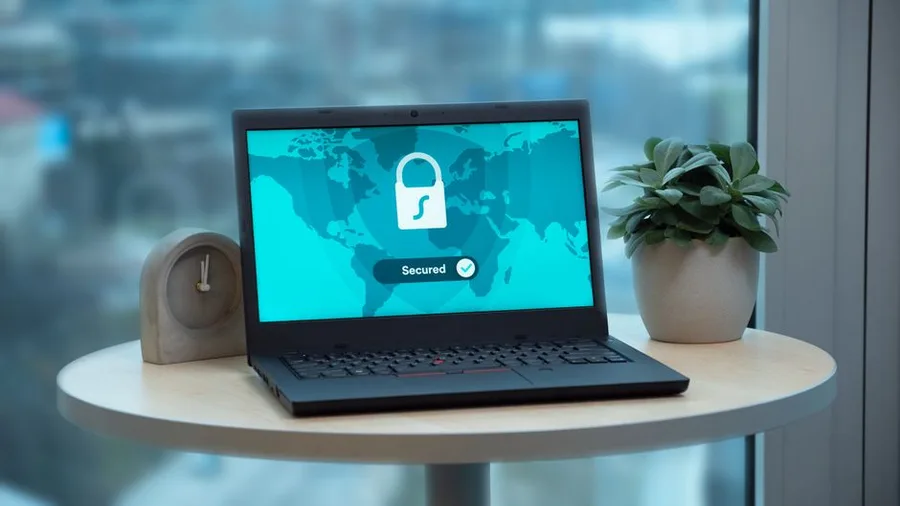
Am I a Target for Identity Theft? A 5-Question Checklist Before You Pay for Protection
Not everyone needs a paid identity protection service — but some risk factors make it worth the money. Five questions to answer honestly before deciding, plus a free way to check your actual exposure first.

Appian Corporation Explained: Low-Code Platform for 2026
Learn what Appian Corporation is, how its low-code automation platform works, and why it matters for digital transformation in 2026.
Backstory Explained: Definition, Use Cases, and How It Works
Learn what backstory is, why it matters in storytelling and tech, and how it shapes user engagement. A plain-English guide for 2026.

Bitwarden Explained: Features, Security, and Pricing for 2026
Learn what Bitwarden is, how it protects your passwords with end-to-end encryption, and whether it's the right password manager for you in 2026.

Best Tech Offers of 2026: Shortlist Worth Comparing
Compare the top tech offers of 2026: VPNs and password managers with trusted features, pricing caveats, and a decision guide to pick the right one for you.

Bug Bounty Programs Explained: How They Work in 2026
Learn what bug bounty programs are, how they work, who participates, and why they matter for cybersecurity in 2026. A plain-English guide for beginners.
Related Topics in Tech
Get the Best Deals in Your Inbox
Top offers, expert reviews, and money-saving tips — curated daily by the Verto editorial team.
No spam. Unsubscribe anytime. 47,000+ subscribers.