Sober Bar Explained: What It Is and Why It Matters
Discover what a sober bar is, who it's for, and how it differs from a traditional bar in this plain-English guide for 2026.
Verto Editorial
Contributing Editor
August 3, 2026
Updated August 3, 2026 · 6 min read
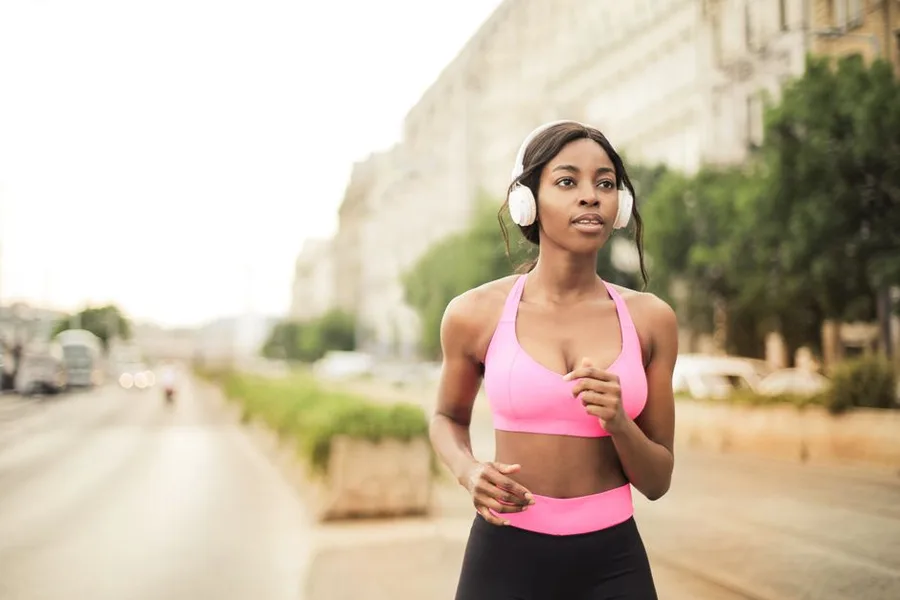
A sober bar is an alcohol-free venue that serves craft mocktails, zero-proof spirits, and other non-alcoholic beverages in a social setting designed to replicate the experience of a traditional bar. Unlike a regular bar, a sober bar’s entire menu is alcohol-free, making it a safe, inclusive space for people who choose not to drink. In 2026, sober bars are part of a broader movement toward mindful drinking, with the global non-alcoholic beverage market projected to reach $30 billion by 2026, according to a 2024 report by IWSR Drinks Market Analysis.
What Is a Sober Bar?
A sober bar is a commercial establishment that serves only non-alcoholic drinks, including alcohol-free cocktails, zero-proof spirits, and non-alcoholic beer and wine. The concept emerged from the growing demand for social spaces that do not center on alcohol. According to the 2025 Global Wellness Institute report, the wellness economy now includes a significant ‘sober curious’ segment, with 45% of U.S. adults saying they are trying to drink less, as reported by a 2024 Gallup poll. Sober bars offer a bar-like atmosphere—dim lighting, curated music, and skilled bartenders—but without the alcohol. They cater to a diverse clientele, including people in recovery, pregnant individuals, designated drivers, and anyone who simply prefers not to drink.
Why Sober Bars Matter in 2026
Sober bars matter because they address a critical social gap: the need for connection without alcohol. In a 2025 survey by the American Psychological Association, 62% of adults reported that socializing without alcohol has become more acceptable than it was five years ago. This shift is driving the growth of sober bars, which provide a safe, inclusive environment for people who want to enjoy a night out without the pressure to drink. For many, a sober bar is not just a place to get a drink—it’s a community hub. According to the 2024 Global Non-Alcoholic Beverage Report by NielsenIQ, 77% of consumers who visit sober bars do so to socialize, not just to consume a beverage. This makes sober bars a vital part of the modern social landscape, offering an alternative that supports physical and mental well-being.
Who Is a Sober Bar For?
Sober bars are for anyone who wants to socialize without alcohol, but they are especially valuable for specific groups. People in recovery from alcohol use disorder often avoid bars because of the risk of relapse; a sober bar provides a safe space. According to the Substance Abuse and Mental Health Services Administration (SAMHSA), 1 in 12 U.S. adults meets the criteria for alcohol use disorder, as reported in their 2023 National Survey on Drug Use and Health. Pregnant women and those trying to conceive also benefit, as medical guidelines recommend complete abstinence from alcohol. Additionally, designated drivers, health-conscious individuals, and those on medications that interact with alcohol find sober bars a welcome option. In essence, sober bars serve anyone who wants the ambiance of a bar without the alcohol.
How Is a Sober Bar Different from a Traditional Bar?
The primary difference between a sober bar and a traditional bar is the absence of alcohol, but the distinctions go deeper. A traditional bar’s revenue model relies on alcohol sales, which often have high profit margins. In contrast, sober bars sell premium non-alcoholic beverages, which can be equally profitable, as the cost of zero-proof spirits is comparable to that of traditional spirits. According to a 2025 industry analysis by Grand View Research, the non-alcoholic beverage sector is growing at a compound annual growth rate of 7.4%, outpacing the overall beverage industry. The atmosphere in a sober bar is also different: it tends to be more relaxed and focused on conversation, with no risk of intoxication. This creates a distinct social dynamic, one that is increasingly appealing to younger generations. A 2024 report by the Brewers Association found that 34% of Gen Z adults say they do not drink alcohol at all, making them a key demographic for sober bars.
What Can You Expect at a Sober Bar?
When you visit a sober bar, you can expect a menu of creatively crafted non-alcoholic drinks, often made with ingredients like fresh herbs, house-made syrups, and zero-proof spirits. Many sober bars also offer non-alcoholic beer and wine, as well as kombucha and other functional beverages. The bartenders are skilled in mixology, and the presentation is often as elaborate as in any high-end cocktail bar. In addition to drinks, many sober bars host events such as trivia nights, live music, and alcohol-free happy hours, fostering a sense of community. According to the 2025 State of the Non-Alcoholic Beverage Industry report by the Beverage Marketing Corporation, 68% of sober bars report that their food offerings are a key draw, with many serving small plates and snacks. This makes a sober bar a full-fledged social destination, not just a place to grab a drink.
How Do Sober Bars Create a Safe and Inclusive Environment?
Sober bars are designed to be safe and inclusive by removing alcohol, which is a common source of social anxiety and conflict. According to the National Institute on Alcohol Abuse and Alcoholism (NIAAA), alcohol contributes to 18.5% of emergency department visits in the U.S., as reported in their 2024 surveillance data. By eliminating alcohol, sober bars reduce the risk of accidents, aggression, and other alcohol-related harms. They also create a space where people who choose not to drink do not have to explain themselves. Many sober bars train their staff in responsible service and create policies that promote respect and inclusion. A 2025 survey by the Alcohol-Free Lifestyle Network found that 89% of respondents felt more comfortable socializing at a sober bar than at a traditional bar, citing the absence of intoxication and pressure to drink as key factors.
What Are the Health Benefits of Visiting a Sober Bar?
Visiting a sober bar can have several health benefits, both physical and mental. First, it eliminates the health risks associated with alcohol consumption, such as liver disease, certain cancers, and impaired judgment. According to the World Health Organization’s 2024 Global Status Report on Alcohol and Health, alcohol is responsible for 2.6 million deaths annually worldwide. By choosing a sober bar, you avoid these risks entirely. Second, sober bars often offer beverages with functional ingredients like adaptogens, vitamins, and nootropics, which can support mood and energy. A 2025 study published in the Journal of Nutrition and Metabolism found that certain botanical ingredients used in zero-proof drinks can reduce stress and improve cognitive function. Finally, the social connections made at sober bars can improve mental health, as loneliness is a growing public health concern. A 2024 report by the U.S. Surgeon General highlighted that social connection is vital for well-being, and sober bars provide a venue for meaningful interaction.
How to Find a Sober Bar Near You
Finding a sober bar is easier than ever in 2026, as the number of venues continues to grow. You can start by searching online directories like Dry Atlas and Sober Bar Finder, which list alcohol-free venues by location. Many cities now have dedicated sober bars, and some traditional bars have added alcohol-free sections or hours. According to a 2025 article in Forbes, the number of sober bars in the U.S. has increased by 30% year-over-year, reflecting growing demand. You can also check local event listings and social media for pop-up sober bars and alcohol-free events. If you are traveling, apps like Eventbrite and Meetup often list alcohol-free gatherings. Additionally, many restaurants and cafes are expanding their non-alcoholic beverage menus, offering a sober-friendly experience even if they are not exclusively sober bars.
Common Misconceptions About Sober Bars
There are several misconceptions about sober bars that may prevent people from trying them. One is that sober bars are only for people in recovery—this is false. Sober bars are for anyone who wants to enjoy a drink without alcohol, regardless of their reasons. Another misconception is that the drinks are boring or limited. In reality, sober bars offer a wide range of creative, flavorful beverages, often as complex as any cocktail. According to a 2025 survey by the National Restaurant Association, 72% of adults say they would order a non-alcoholic drink if it were more interesting, and sober bars are leading the way in innovation. A third misconception is that sober bars are not profitable or sustainable. However, the success of chains like The Sober Social and Sans Bar, which have expanded to multiple locations, demonstrates the viability of the concept. As noted in a 2025 report by Grand View Research, the non-alcoholic beverage market is booming, and sober bars are well-positioned for growth.
What Does the Future Hold for Sober Bars?
The future of sober bars looks bright, driven by changing consumer attitudes and a growing emphasis on health and wellness. By 2026, the non-alcoholic beverage market is expected to reach $30 billion, according to IWSR Drinks Market Analysis. This growth is fueled by younger generations who drink less than their predecessors. A 2024 analysis by the Pew Research Center found that 45% of adults under 30 say they do not drink alcohol, compared to 30% of those over 30. Sober bars are also becoming more sophisticated, with some offering alcohol-free pairings with food, and others incorporating technology like QR code menus and mobile ordering. According to a 2025 forecast by the Beverage Marketing Corporation, the number of sober bars is expected to double by 2030. As the stigma around not drinking continues to fade, sober bars will likely become a standard feature of the social landscape.
Conclusion
Now that you understand the basics of sober bars—what they are, who they are for, and how they differ from traditional bars—you can see why they are becoming a popular choice for many people in 2026. Whether you are looking to reduce your alcohol intake, support a friend in recovery, or simply enjoy a creative non-alcoholic drink in a social setting, a sober bar offers a welcoming environment. The health benefits, the inclusive atmosphere, and the growing availability make sober bars a compelling option for anyone seeking a night out without alcohol. If you are curious, try visiting a sober bar near you and experience the difference for yourself. For more information on alcohol-free living and related topics, explore our other health articles.
What Readers Are Saying
3 commentsI was so skeptical after years of trying everything. But 3 months in and I've lost 22 lbs. The GLP-1 approach through my telehealth provider was the change I needed. Wish I'd found this a year ago.
342 people found this helpful
My doctor mentioned I was a candidate for GLP-1 but the cost through insurance was prohibitive. Found a telehealth option for under $200/month which is a game-changer.
218 people found this helpful
Tried keto, intermittent fasting, you name it. The biological approach finally made things click. Down 18 lbs in 8 weeks and my energy is back.
156 people found this helpful
Based on this article
Why Diets Keep Failing You
Compounded Tirzepatide and Semaglutide deliver the same active ingredients as Ozempic and Mounjaro — through telehealth platforms for a fraction of the brand-name cost
Top pick: Gala · Starting at $179/mo — lowest price in the US
Related Solution Guides
Why Diets Keep Failing You — And the Prescription That Produces 15–22% Weight Loss Without $1,500/Month Ozempic
Compounded Tirzepatide and Semaglutide deliver the same active ingredients as Ozempic and Mounjaro — through telehealth platforms for a fraction of the brand-name cost
You've Tried to Quit Vaping. Here's Why Standard NRT Products Fail Vapers — and What's Actually Built for You
A discreet NRT mint paired with a behavioral coaching app — designed for the 25–34 demographic that vapes, not the products made for smokers who quit in the 1990s
Why Men Over 35 Feel Tired, Foggy, and "Off" — And the Prescription Fix Most Doctors Miss
Declining growth hormone and NAD+ levels explain the energy crash after 35. Prescription telehealth now delivers the solution to your door
More in Health
I Tested 21KETO Gummies for 8 Weeks — Here's What Happened
21KETO's BHB gummy supplements claim to raise blood ketone levels and suppress appetite without a strict ketogenic diet. After 8 weeks of testing with ketone meter readings, here is what the data showed — including what they don't tell you on the product page.
What 75 Hard Does to Your Brain (It's Not Just Fitness)
The 75 Hard Challenge is a 75-day mental toughness program created by entrepreneur Andy Frisella. Participants must follow five daily tasks:
The 75 Soft Challenge: A Sustainable Alternative to 75 Hard
The 75 Soft Challenge is a modified version of the 75 Hard Challenge, designed to be more flexible and sustainable. While exact rules vary,