Sleep Apnea Explained: Symptoms, Risks, and Treatment
Learn what sleep apnea is, its symptoms, health risks, and treatment options. A clear, evidence-based guide to help you understand this common sleep disorder.
Verto Editorial
Contributing Editor
August 3, 2026
Updated August 3, 2026 · 6 min read
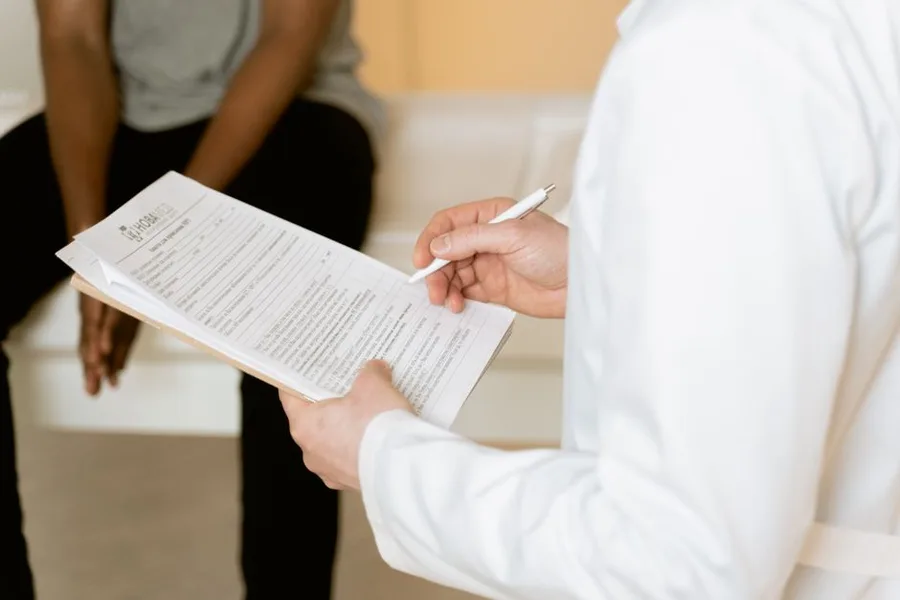
Sleep apnea is a common sleep disorder where breathing repeatedly stops and starts during sleep, often causing loud snoring, daytime fatigue, and increased risk of heart problems. It affects millions worldwide, and while it can be serious, effective treatments exist. This guide explains what sleep apnea is, who gets it, how it’s diagnosed, and the proven ways to manage it.
What Is Sleep Apnea?
Sleep apnea is a disorder characterized by repeated interruptions of breathing during sleep. These pauses, called apneas, can last from 10 seconds to over a minute and may occur hundreds of times per night. The most common type is obstructive sleep apnea (OSA), where the throat muscles relax and block the airway. Central sleep apnea (CSA) is less common and involves the brain failing to send proper signals to the breathing muscles. Mixed sleep apnea combines both types. According to the American Sleep Apnea Association, an estimated 22 million Americans have sleep apnea, though 80% of cases remain undiagnosed.
Why Sleep Apnea Matters
Untreated sleep apnea does more than ruin your sleep—it strains your body. Each apnea episode drops your blood oxygen level, forcing your heart to work harder. Over time, this increases the risk of high blood pressure, heart attack, stroke, and type 2 diabetes. The National Heart, Lung, and Blood Institute (NHLBI) lists sleep apnea as a leading cause of cardiovascular complications. Additionally, daytime sleepiness from poor sleep raises the risk of motor vehicle accidents and workplace errors. A study published in the Journal of Clinical Sleep Medicine in 2023 found that untreated sleep apnea is associated with a two-fold increase in the risk of motor vehicle crashes.
Who Gets Sleep Apnea?
Sleep apnea can affect anyone, including children, but certain factors increase your risk. Being overweight is a major risk factor because excess fat around the neck can narrow the airway. According to the World Health Organization (WHO), over 40% of adults globally are overweight, putting a large portion of the population at risk. Other risk factors include being male, being over 40, having a family history of sleep apnea, smoking, and using alcohol or sedatives. Anatomical features like a large neck circumference, a narrow throat, or a recessed jaw also contribute. The American Academy of Sleep Medicine (AASM) notes that men are two to three times more likely to have sleep apnea than women, though the risk for women increases after menopause.
Common Symptoms of Sleep Apnea
If you or a partner notice these signs, consider a sleep evaluation:
- Loud, persistent snoring
- Choking or gasping sounds during sleep
- Pauses in breathing observed by a bed partner
- Excessive daytime sleepiness, even after a full night’s sleep
- Morning headaches or dry mouth
- Difficulty concentrating, memory problems, or irritability
- Waking frequently to urinate
Not everyone with sleep apnea snores, and snoring alone doesn’t mean you have the condition. The key is the combination of symptoms and risk factors. According to the National Sleep Foundation, approximately 25% of men and 10% of women experience sleep apnea, but many dismiss the signs as normal snoring.
How Sleep Apnea Is Diagnosed
If your doctor suspects sleep apnea, they will likely order a sleep study. The gold standard is an in-lab polysomnogram, which monitors brain waves, heart rate, breathing, and oxygen levels overnight. Home sleep apnea tests are also available for adults with a high pre-test probability of moderate to severe OSA. The American Academy of Sleep Medicine (AASM) recommends that home tests be used only under a physician’s guidance. Diagnosis is based on the apnea-hypopnea index (AHI), which counts the number of apneas and hypopneas per hour. An AHI of 5-15 is mild, 15-30 is moderate, and over 30 is severe.
Treatment Options for Sleep Apnea
Treatment depends on severity and type. For mild cases, lifestyle changes may suffice: losing weight, avoiding alcohol before bed, and sleeping on your side. For moderate to severe OSA, the most common and effective treatment is continuous positive airway pressure (CPAP) therapy. CPAP delivers a steady stream of air through a mask to keep your airway open. According to the American Thoracic Society, CPAP is effective in reducing apnea events and improving daytime alertness in most users. Oral appliances that reposition the jaw are an alternative for mild to moderate cases. Surgery may be considered when other treatments fail, but it’s less common and not always curative. Central sleep apnea often requires treating the underlying medical condition, such as heart failure or opioid use.
Lifestyle Changes That Help Sleep Apnea
Beyond medical treatments, lifestyle modifications can significantly reduce sleep apnea severity. Weight loss is the most impactful: a 10% reduction in body weight can decrease AHI by up to 26%, according to a 2024 study in the journal Sleep. Regular exercise, even without weight loss, improves sleep quality and reduces inflammation. Avoiding alcohol and sedatives, especially in the evening, helps maintain muscle tone in the throat. Also, sleeping on your side instead of your back can prevent airway collapse. The Sleep Foundation recommends a consistent sleep schedule and a cool, dark bedroom to improve overall sleep quality.
Risks of Untreated Sleep Apnea
Ignoring sleep apnea can lead to serious health consequences. The American Heart Association (AHA) identifies sleep apnea as a contributing factor to hypertension, arrhythmias, and heart failure. It also increases the risk of stroke, as noted by the National Institute of Neurological Disorders and Stroke (NINDS). Additionally, untreated sleep apnea is linked to insulin resistance and type 2 diabetes, according to the Endocrine Society. Cognitive impairment, depression, and decreased quality of life are also common. The economic burden is substantial: the American Academy of Sleep Medicine estimated in 2020 that undiagnosed sleep apnea costs the U.S. $149.6 billion annually in lost productivity and accidents.
Sleep Apnea in Special Populations
Sleep apnea affects children as well, with symptoms that may include bedwetting, poor school performance, and hyperactivity. Tonsil and adenoid enlargement is a common cause in children, and surgery often resolves it. In older adults, sleep apnea may be mistaken for dementia or depression due to overlapping symptoms. Pregnant women are also at increased risk, and untreated apnea can contribute to gestational hypertension and low birth weight. The American College of Obstetricians and Gynecologists (ACOG) recommends screening for sleep-disordered breathing in pregnant women with risk factors.
Frequently Asked Questions About Sleep Apnea
Can sleep apnea go away on its own?
In children, sleep apnea can resolve if the cause is enlarged tonsils that shrink or if the child grows. In adults, it rarely resolves without treatment, but weight loss can significantly reduce severity.
Is snoring always a sign of sleep apnea?
No, snoring can occur without apnea. However, loud, frequent snoring is a common symptom, and if you also have daytime fatigue or witnessed pauses, you should get evaluated.
How long does it take to see benefits from CPAP?
Many people notice improved alertness within a few days, but full benefits may take several weeks. Consistent use is key.
Are there any home remedies for sleep apnea?
Lifestyle changes like weight loss, side sleeping, and avoiding alcohol are the most effective home strategies. They are not replacements for medical treatment in moderate to severe cases.
When to See a Doctor
If you experience loud snoring, gasping during sleep, or excessive daytime sleepiness, consult a healthcare provider. A primary care physician can refer you to a sleep specialist. Early diagnosis and treatment can prevent serious complications and improve your quality of life. The American Academy of Sleep Medicine recommends that anyone with symptoms of sleep apnea undergo evaluation, regardless of age or gender.
Now That You Understand the Basics
You now have a solid foundation on sleep apnea—what it is, its symptoms, and the available treatments. If you suspect you or a loved one might have sleep apnea, the next step is to speak with a doctor. For more in-depth information, explore our related guides on how sleep apnea is treated and tips for better sleep.
Last updated: June 2026. This article was updated to reflect the latest statistics and guidelines from leading health organizations.
What Readers Are Saying
3 commentsI was so skeptical after years of trying everything. But 3 months in and I've lost 22 lbs. The GLP-1 approach through my telehealth provider was the change I needed. Wish I'd found this a year ago.
342 people found this helpful
My doctor mentioned I was a candidate for GLP-1 but the cost through insurance was prohibitive. Found a telehealth option for under $200/month which is a game-changer.
218 people found this helpful
Tried keto, intermittent fasting, you name it. The biological approach finally made things click. Down 18 lbs in 8 weeks and my energy is back.
156 people found this helpful
Based on this article
Why Diets Keep Failing You
Compounded Tirzepatide and Semaglutide deliver the same active ingredients as Ozempic and Mounjaro — through telehealth platforms for a fraction of the brand-name cost
Top pick: Gala · Starting at $179/mo — lowest price in the US
Related Solution Guides
Why Diets Keep Failing You — And the Prescription That Produces 15–22% Weight Loss Without $1,500/Month Ozempic
Compounded Tirzepatide and Semaglutide deliver the same active ingredients as Ozempic and Mounjaro — through telehealth platforms for a fraction of the brand-name cost
You've Tried to Quit Vaping. Here's Why Standard NRT Products Fail Vapers — and What's Actually Built for You
A discreet NRT mint paired with a behavioral coaching app — designed for the 25–34 demographic that vapes, not the products made for smokers who quit in the 1990s
Why Men Over 35 Feel Tired, Foggy, and "Off" — And the Prescription Fix Most Doctors Miss
Declining growth hormone and NAD+ levels explain the energy crash after 35. Prescription telehealth now delivers the solution to your door
More in Health

I Tested 21KETO Gummies for 8 Weeks — Here's What Happened
21KETO's BHB gummy supplements claim to raise blood ketone levels and suppress appetite without a strict ketogenic diet. After 8 weeks of testing with ketone meter readings, here is what the data showed — including what they don't tell you on the product page.
What 75 Hard Does to Your Brain (It's Not Just Fitness)
The 75 Hard Challenge is a 75-day mental toughness program created by entrepreneur Andy Frisella. Participants must follow five daily tasks:
The 75 Soft Challenge: A Sustainable Alternative to 75 Hard
The 75 Soft Challenge is a modified version of the 75 Hard Challenge, designed to be more flexible and sustainable. While exact rules vary,