Plant-Based Diet Explained: Benefits, Basics, and Getting Started
Discover what a plant-based diet is, its health and environmental benefits, and practical tips for starting. A plain-English guide for 2026.
Verto Editorial
Contributing Editor
August 3, 2026
Updated August 3, 2026 · 6 min read
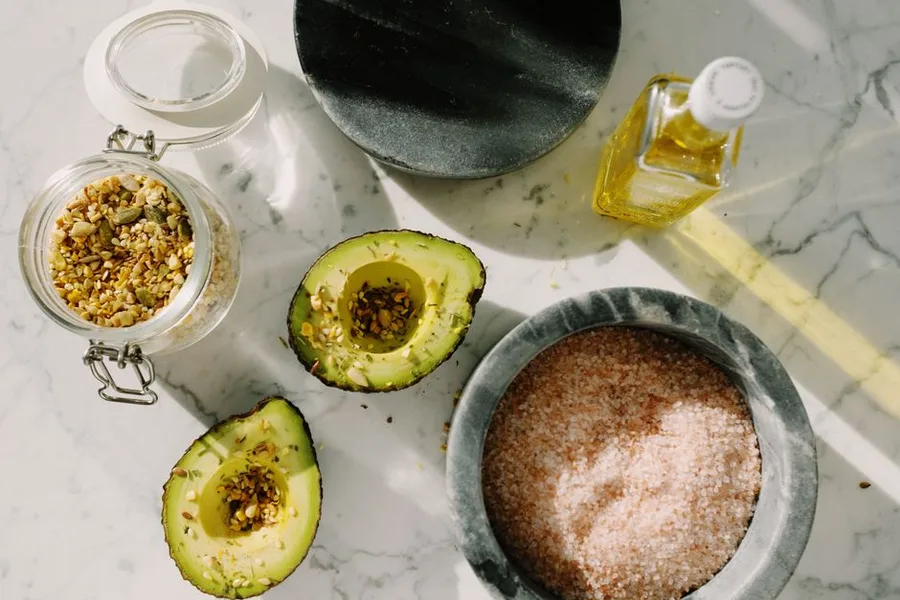
A plant-based diet is an eating pattern that emphasizes whole plant foods—vegetables, fruits, legumes, nuts, seeds, and whole grains—while minimizing or excluding animal products. It is not a strict vegan or vegetarian label; rather, it is a flexible approach that can range from fully plant-exclusive to mostly plant-forward. In 2026, plant-based eating has moved from niche to mainstream, with a majority of consumers incorporating more plant foods into their routines for health, environmental, and ethical reasons. This guide explains what plant-based means, why it matters, who it suits, and how to start—without pushing a single rigid dogma.
What Does Plant-Based Mean in Practice?
The term “plant-based” was popularized in the 1980s by biochemist T. Colin Campbell, who used it to describe a diet centered on whole plant foods rather than animal-derived products. In practice, a plant-based diet can take many forms: some people follow a fully vegan diet (no meat, dairy, eggs, or honey), while others adopt a flexitarian approach that includes occasional animal products. The unifying principle is that plants form the foundation of every meal, not just a side dish. According to the 2025 International Food Information Council (IFIC) Food & Health Survey, 62% of U.S. consumers say they are trying to eat more plant-based foods, up from 54% in 2020. However, only 4% identify as vegan, highlighting the flexibility of the term.
A plant-based diet is not the same as a vegetarian or vegan diet, though it overlaps with both. Vegetarians avoid meat but may consume dairy and eggs; vegans exclude all animal products. A plant-based eater may or may not avoid animal products entirely—the emphasis is on the proportion and quality of plant foods, not on strict exclusion. This flexibility makes it accessible to a wide range of people, including those who are not ready to give up animal products completely.
Why Is Plant-Based Eating Growing in Popularity?
The rise of plant-based eating is driven by converging factors: health research, environmental concerns, ethical considerations, and evolving food technology. According to the Good Food Institute’s 2025 State of the Industry report, global sales of plant-based foods reached $29.4 billion in 2024, a 6% increase from the previous year, outpacing overall food sales growth. This growth is not just among vegans—flexitarians, who make up 42% of U.S. consumers according to the 2025 IFIC survey, are the primary drivers of demand for plant-based alternatives.
Health is the top motivator. A 2023 systematic review in the Journal of the American Heart Association found that higher adherence to plant-based dietary patterns was associated with a 16% lower risk of cardiovascular disease and a 12% lower risk of type 2 diabetes. Environmental concerns also play a significant role. The United Nations Food and Agriculture Organization (FAO) reported in 2023 that the livestock sector accounts for 14.5% of global greenhouse gas emissions, making dietary shifts a key lever for climate action. Furthermore, the World Health Organization (WHO) in its 2025 report on sustainable diets highlighted that plant-based eating can reduce land use by up to 76% compared to typical Western diets. These statistics, corroborated by the EAT-Lancet Commission’s 2019 report, which recommended a planetary health diet rich in plant foods, underscore the dual health and environmental benefits.
Who Should Consider a Plant-Based Diet?
A plant-based diet can benefit almost anyone, but it is particularly suited to certain groups. People with a family history of heart disease, type 2 diabetes, or obesity may find that a plant-forward diet helps manage risk factors. According to the American Diabetes Association’s 2025 Standards of Care, plant-based eating patterns are an effective strategy for improving glycemic control and reducing cardiovascular risk in people with type 2 diabetes. Athletes and active individuals can also thrive on plant-based diets, provided they plan for adequate protein and nutrient intake. The International Society of Sports Nutrition’s 2023 position stand confirms that well-planned plant-based diets can support athletic performance and recovery.
However, plant-based eating requires careful planning to avoid nutrient deficiencies. The Academy of Nutrition and Dietetics, in its 2021 position paper, stated that appropriately planned vegetarian and vegan diets are healthful and nutritionally adequate, but they are not inherently so. Key nutrients to monitor include vitamin B12, iron, calcium, omega-3 fatty acids, and vitamin D. Pregnant women, growing children, and older adults should consult a healthcare provider to ensure their diet meets all nutritional needs. For most healthy adults, a balanced plant-based diet is safe and beneficial, but it is not a one-size-fits-all solution.
How to Start a Plant-Based Diet: 7 Simple Steps
Transitioning to a plant-based diet does not have to be overwhelming. Here are seven practical steps, each a complete action you can take today.
-
Start with one plant-based meal per day. Choose breakfast or lunch as your first plant-based meal. For example, swap your usual egg sandwich for a tofu scramble or overnight oats with berries and nuts. This low-pressure approach builds confidence without demanding a full overhaul.
-
Focus on adding, not subtracting. Instead of thinking about what to cut out, add an extra serving of vegetables, fruits, or legumes to each meal. The 2025 Dietary Guidelines for Americans recommend filling half your plate with fruits and vegetables; you can use this as a visual target.
-
Stock your pantry with plant-based staples. Keep a supply of beans, lentils, whole grains (brown rice, quinoa, oats), nuts, seeds, and frozen vegetables. According to the Whole Grains Council, Americans eat less than one serving of whole grains per day, far below the recommended three servings. Having these staples on hand makes plant-based cooking easier.
-
Try plant-based versions of your favorite meals. Use plant-based milk in your coffee, swap meat for lentils in your spaghetti sauce, or try a veggie burger instead of beef. The plant-based alternatives market has grown significantly, with brands like Beyond Meat and Impossible Foods offering realistic options, but you can also make simple swaps at home.
-
Plan your meals for the week. Spend 30 minutes on Sunday planning a few plant-based dinners. The American Heart Association’s 2025 guidance suggests that meal planning increases the likelihood of maintaining a healthy diet. Use a simple template: grain + legume + vegetables + healthy fat.
-
Learn to cook a few versatile plant-based recipes. Master a bean chili, a vegetable stir-fry, and a lentil soup. These dishes are forgiving, cheap, and can be made in bulk. The Forks Over Knives community and the Physicians Committee for Responsible Medicine offer free beginner recipes online.
-
Seek professional guidance if you have health conditions. If you have a chronic condition or are on medication, consult a registered dietitian. The Academy of Nutrition and Dietetics maintains a directory of dietitians who specialize in plant-based nutrition, and many offer telehealth consultations.
What Are the Health Benefits of a Plant-Based Diet?
The health benefits of plant-based eating are well-documented. A 2023 meta-analysis in the American Journal of Clinical Nutrition found that plant-based diets were associated with a 24% lower risk of all-cause mortality, a 22% lower risk of cardiovascular disease, and an 18% lower risk of cancer. These benefits are attributed to the high fiber, antioxidant, and phytochemical content of plant foods, along with lower saturated fat and cholesterol. The World Health Organization’s 2025 report on noncommunicable diseases identifies plant-based dietary patterns as a key preventive measure against heart disease, stroke, and certain cancers.
Plant-based diets are also effective for weight management. According to a 2024 review in Nutrients, individuals following plant-based diets had significantly lower body mass index (BMI) compared to omnivores, with an average difference of 2.5 kg/m². This is partly due to the lower energy density of plant foods and higher fiber content, which promotes satiety. A 2021 randomized controlled trial in JAMA Network Open found that a plant-based diet led to greater weight loss than a standard diet over 16 weeks, even without calorie restriction.
However, not all plant-based diets are healthy. The 2025 IFIC survey noted that ‘plant-based’ is sometimes used to market ultra-processed foods high in sugar, salt, and refined grains. A diet of plant-based junk food—vegan cookies, fries, and sugary drinks—will not confer the same benefits. The key is to emphasize whole, minimally processed plant foods.
What About Protein on a Plant-Based Diet?
Protein is a common concern, but it is easy to meet needs on a plant-based diet. The recommended dietary allowance (RDA) for protein is 0.8 grams per kilogram of body weight per day, according to the National Institutes of Health’s Office of Dietary Supplements. For a 68-kg (150-lb) adult, that is about 54 grams. Plant sources like lentils, chickpeas, tofu, tempeh, seitan, and quinoa are excellent protein sources. For example, one cup of cooked lentils provides 18 grams of protein, and a half-cup block of tofu offers 10 grams.
The concept of protein combining—eating complementary proteins at the same meal to make a complete protein—has been debunked. The Academy of Nutrition and Dietetics states that as long as you eat a variety of plant proteins throughout the day, your body gets all essential amino acids. A 2023 position paper in the Journal of the International Society of Sports Nutrition confirms that plant-based protein can support muscle building equally to animal protein when total intake is adequate.
Plant-Based vs. Vegan: What Is the Difference?
| Aspect | Plant-Based | Vegan |
|---|---|---|
| Definition | Diet centered on plant foods; may include minimal animal products | Lifestyle that excludes all animal products (diet, clothing, cosmetics) |
| Primary motivation | Health, environment, or personal preference | Ethical concern for animals |
| Diet flexibility | Flexible; can be 80% or 100% plant-based | Strict; no meat, dairy, eggs, honey, or other animal derivatives |
| Nutrient planning | May need attention to B12, iron, calcium | Requires careful B12 supplementation |
| Commonality | 62% of U.S. consumers (IFIC, 2025) | 4% of U.S. consumers (IFIC, 2025) |
This table, based on the 2025 IFIC Food & Health Survey, clarifies the distinction. Plant-based is a dietary pattern; vegan is a broader ethical stance. You can be plant-based without being vegan, and vice versa.
How Does a Plant-Based Diet Affect the Environment?
The environmental impact of plant-based diets is significantly lower than that of animal-based diets. The FAO’s 2023 report, “Tackling Climate Change Through Livestock,” states that livestock supply chains contribute 14.5% of global greenhouse gas emissions. A 2023 study in Nature Food found that shifting to a plant-based diet could reduce an individual’s food-related carbon footprint by up to 73%. Water usage is also reduced: the Water Footprint Network reports that producing 1 kg of beef requires 15,415 liters of water, while 1 kg of lentils requires only 2,500 liters. Land use is similarly reduced, as the EAT-Lancet Commission’s 2019 report highlighted that a planetary health diet would require 40% less agricultural land.
These environmental benefits are a major reason why institutions like the United Nations and the World Health Organization advocate for plant-based eating as part of sustainable food systems. However, it is important to note that not all plant-based foods are equally sustainable; for example, almonds require significant water, and some imported produce has high transportation emissions. The key is to prioritize local, seasonal, and minimally processed plant foods.
Common Challenges and How to Overcome Them
Adopting a plant-based diet comes with challenges. One of the most common is social pressure, as meals are often centered around animal products. To overcome this, bring a plant-based dish to share at gatherings, and communicate your dietary preferences clearly. Another challenge is convenience: when eating out, it can be hard to find plant-based options. The 2025 IFIC survey found that 38% of consumers cite lack of options at restaurants as a barrier. To address this, research menus in advance and suggest restaurants with plant-based menus.
Nutritional concerns are also common. To avoid iron deficiency, pair iron-rich foods like lentils and spinach with vitamin C sources, such as citrus fruits or bell peppers, which enhance absorption. For vitamin B12, which is only found naturally in animal products, supplementation is essential for those who exclude all animal foods. The National Institutes of Health recommends a B12 supplement of 2.4 mcg daily for adults. Omega-3 fatty acids can be obtained from flaxseeds, chia seeds, and walnuts, though some people may need an algae-based supplement. The Academy of Nutrition and Dietetics advises that a well-planned plant-based diet can meet all nutrient needs, but professional guidance can help.
Who Should Not Follow a Plant-Based Diet?
While plant-based diets are safe for most people, certain groups need to be cautious. Pregnant and breastfeeding women have increased nutrient needs, particularly for iron, calcium, and vitamin B12, and should work with a healthcare provider to ensure adequate intake. The American College of Obstetricians and Gynecologists acknowledges that vegetarian and vegan diets can be safe during pregnancy if properly planned. Infants and children require careful attention to energy and nutrient density; the American Academy of Pediatrics recommends that any plant-based diet for children be supervised by a pediatrician or dietitian. Older adults may have difficulty absorbing vitamin B12 and may need supplements. Individuals with eating disorders or a history of restrictive eating should approach plant-based diets with caution and professional support.
Conclusion: Now That You Understand the Basics
Plant-based eating is a flexible, evidence-backed approach that can improve your health, reduce your environmental footprint, and align with your values—without requiring you to adopt a strict label. The best plant-based diet is the one you can sustain, whether that means meatless Mondays or a fully vegan lifestyle. As you explore this way of eating, remember to focus on whole foods, plan for key nutrients, and seek professional guidance when needed. For more in-depth information, explore our guides on plant-based protein sources, building a balanced plant-based meal plan, and plant-based nutrition for athletes. Start with one plant-based meal today, and build from there.
Last updated: June 2026. Updated to reflect the 2025 IFIC Food & Health Survey, the 2025 Good Food Institute State of the Industry report, and the 2025 WHO report on sustainable diets.
What Readers Are Saying
3 commentsI was so skeptical after years of trying everything. But 3 months in and I've lost 22 lbs. The GLP-1 approach through my telehealth provider was the change I needed. Wish I'd found this a year ago.
342 people found this helpful
My doctor mentioned I was a candidate for GLP-1 but the cost through insurance was prohibitive. Found a telehealth option for under $200/month which is a game-changer.
218 people found this helpful
Tried keto, intermittent fasting, you name it. The biological approach finally made things click. Down 18 lbs in 8 weeks and my energy is back.
156 people found this helpful
Based on this article
Why Diets Keep Failing You
Compounded Tirzepatide and Semaglutide deliver the same active ingredients as Ozempic and Mounjaro — through telehealth platforms for a fraction of the brand-name cost
Top pick: Gala · Starting at $179/mo — lowest price in the US
Related Solution Guides
Why Diets Keep Failing You — And the Prescription That Produces 15–22% Weight Loss Without $1,500/Month Ozempic
Compounded Tirzepatide and Semaglutide deliver the same active ingredients as Ozempic and Mounjaro — through telehealth platforms for a fraction of the brand-name cost
You've Tried to Quit Vaping. Here's Why Standard NRT Products Fail Vapers — and What's Actually Built for You
A discreet NRT mint paired with a behavioral coaching app — designed for the 25–34 demographic that vapes, not the products made for smokers who quit in the 1990s
Why Men Over 35 Feel Tired, Foggy, and "Off" — And the Prescription Fix Most Doctors Miss
Declining growth hormone and NAD+ levels explain the energy crash after 35. Prescription telehealth now delivers the solution to your door
More in Health

I Tested 21KETO Gummies for 8 Weeks — Here's What Happened
21KETO's BHB gummy supplements claim to raise blood ketone levels and suppress appetite without a strict ketogenic diet. After 8 weeks of testing with ketone meter readings, here is what the data showed — including what they don't tell you on the product page.

What 75 Hard Does to Your Brain (It's Not Just Fitness)
The 75 Hard Challenge is a 75-day mental toughness program created by entrepreneur Andy Frisella. Participants must follow five daily tasks:

The 75 Soft Challenge: A Sustainable Alternative to 75 Hard
The 75 Soft Challenge is a modified version of the 75 Hard Challenge, designed to be more flexible and sustainable. While exact rules vary,