Hemp Oil Explained: Benefits, Uses, and Safety for 2026
Learn what hemp oil is, how it's made, its potential health benefits, and safety considerations. A plain-English guide to hemp oil for 2026.
Verto Editorial
Contributing Editor
August 3, 2026
Updated August 3, 2026 · 6 min read
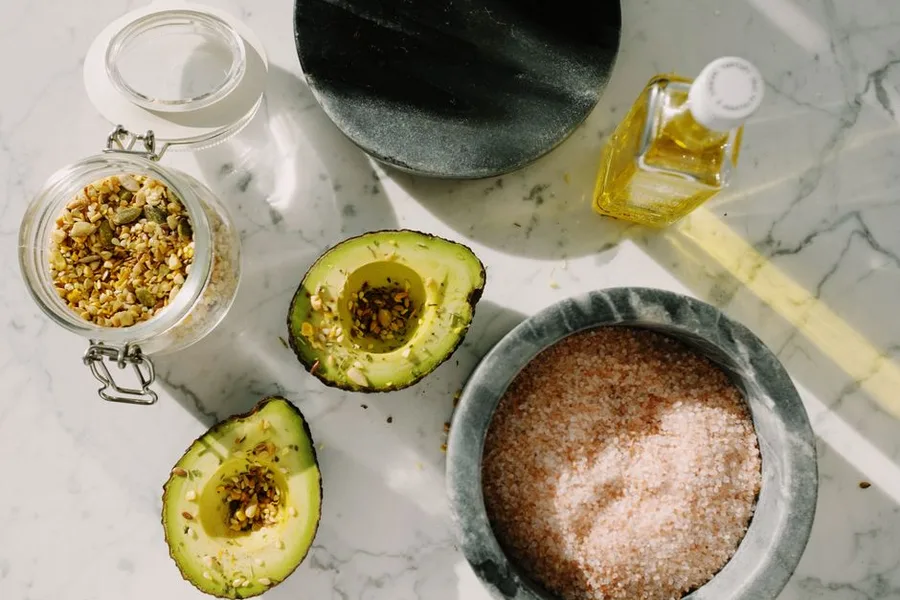
Hemp oil, also known as hemp seed oil, is a nutrient-rich oil extracted from the seeds of the hemp plant (Cannabis sativa). Unlike CBD oil, which is derived from the stalks, leaves, and flowers of the plant, hemp oil is pressed from the seeds and contains no significant amounts of cannabinoids like CBD or THC. This means it does not produce a “high” and is not intended for the same uses as CBD products. In this guide, we’ll explore what hemp oil is, its nutritional profile, potential health benefits, how it’s used, and what to consider before adding it to your routine.
What Is Hemp Oil?
Hemp oil is a vegetable oil obtained by pressing hemp seeds. The seeds are cold-pressed to extract the oil, which is rich in essential fatty acids, including omega-3 (alpha-linolenic acid) and omega-6 (linoleic acid), in a ratio that is considered optimal for human health. According to the Food and Drug Administration (FDA), hemp seed oil is generally recognized as safe (GRAS) for use in food. Hemp oil is distinct from CBD oil: CBD oil is an extract from the whole plant that contains high levels of cannabidiol (CBD), while hemp oil contains only trace amounts of cannabinoids, typically less than 0.1%.
How Is Hemp Oil Made?
Hemp oil is produced by cold-pressing the seeds of the hemp plant. The seeds are cleaned and then mechanically pressed at low temperatures to release the oil without the use of chemical solvents. This method preserves the delicate fatty acids and antioxidants. After pressing, the oil is typically filtered to remove any plant particles. The resulting oil has a light, nutty flavor and a greenish color. Unlike CBD oil, which requires extraction with CO2 or ethanol and involves complex processing, hemp oil production is simple and does not require special equipment.
Hemp Oil vs. CBD Oil: What’s the Difference?
Hemp oil and CBD oil are often confused, but they are fundamentally different products. Hemp oil is derived solely from the seeds and contains no significant amounts of cannabinoids. CBD oil is extracted from the flowers, leaves, and stalks of the hemp plant and contains high concentrations of CBD, which is believed to interact with the body’s endocannabinoid system. The table below summarizes the key differences:
| Feature | Hemp Oil | CBD Oil |
|---|---|---|
| Source | Seeds | Flowers, leaves, stalks |
| Cannabinoid content | Trace amounts (less than 0.1% CBD) | High CBD content (5-20% or more) |
| THC content | 0% (or negligible) | Typically less than 0.3% (federally legal) |
| Legal status | Legal in all 50 states | Legal federally if derived from hemp with <0.3% THC |
| Intended use | Nutritional supplement, skincare | Wellness, potential therapeutic effects |
Why Hemp Oil Matters: Nutritional and Skincare Benefits
Hemp oil is prized for its nutritional profile. According to the United States Department of Agriculture (USDA) FoodData Central, hemp oil contains about 9 grams of polyunsaturated fats per tablespoon, including omega-3 and omega-6 fatty acids. These essential fatty acids are crucial for heart health, brain function, and inflammation regulation. The World Health Organization (WHO) notes that a balanced ratio of omega-6 to omega-3 is important for reducing the risk of chronic diseases. Hemp oil also contains vitamin E, an antioxidant that helps protect cells from oxidative damage.
In skincare, hemp oil is known for its moisturizing and anti-inflammatory properties. A 2018 study published in the journal Skin Pharmacology and Physiology found that hemp seed oil can improve symptoms of atopic dermatitis, including dryness and itching. The study reported that participants experienced a 67% improvement in skin hydration after 12 weeks of use. Additionally, the National Eczema Association lists hemp oil as a “skin-soothing” ingredient that can help manage eczema symptoms.
Who Is Hemp Oil For?
Hemp oil is suitable for a wide range of people, including those looking to boost their intake of essential fatty acids, individuals with dry or irritated skin, and those following a plant-based diet. It is also a popular choice for people seeking a natural moisturizer without synthetic additives. However, hemp oil is not intended for individuals seeking the potential therapeutic effects of CBD, such as pain relief or anxiety reduction. If you are looking for those effects, you should consider CBD oil instead.
How to Use Hemp Oil
Hemp oil can be used in several ways:
- Culinary use: Hemp oil has a low smoke point, so it is best used as a finishing oil or in salad dressings, not for frying. Drizzle it over salads, mix into smoothies, or use it as a base for dips.
- Skincare: Apply a few drops to your skin and massage gently. It can be used as a moisturizer, or added to lotions and balms.
- Hair care: Massage into the scalp to hydrate and nourish hair follicles, leaving it on for 15-30 minutes before washing.
Is Hemp Oil Safe?
Hemp oil is generally safe for most people when consumed in moderate amounts. The FDA has recognized hemp seed oil as generally recognized as safe (GRAS). However, because hemp oil is high in polyunsaturated fats, it may cause digestive issues if consumed in large quantities. Some people may experience mild side effects such as diarrhea or nausea. If you are pregnant, nursing, or taking blood-thinning medications, consult your healthcare provider before using hemp oil.
Potential Side Effects and Precautions
While hemp oil is well-tolerated, it is not without potential side effects. According to the National Institutes of Health (NIH), excessive consumption of omega-6 fatty acids without adequate omega-3 can promote inflammation. Hemp oil has a ratio of omega-6 to omega-3 of about 3:1, which is considered balanced, but it is still important to maintain a varied diet. Additionally, hemp oil may interact with certain medications, particularly blood thinners, because of its vitamin K content. Always discuss with your doctor if you are on medication.
Hemp Oil in the Regulatory Landscape
In the United States, hemp oil derived from hemp seeds is legal under the 2018 Farm Bill, which removed hemp (defined as Cannabis sativa with less than 0.3% THC) from the Controlled Substances Act. The FDA regulates hemp oil as a food ingredient, and it is widely available in grocery stores and online. In the European Union, hemp oil is approved as a food ingredient, and the European Food Safety Authority (EFSA) has set acceptable daily intake levels for its fatty acids. As of 2026, there are no significant regulatory restrictions on hemp oil in major markets.
Frequently Asked Questions
Can hemp oil get you high?
No, hemp oil does not contain significant amounts of THC, so it will not produce a psychoactive effect. It is completely non-intoxicating.
Is hemp oil the same as CBD oil?
No, hemp oil is extracted from seeds and contains no significant CBD, while CBD oil is extracted from the plant’s flowers and leaves and contains high levels of CBD.
Can I cook with hemp oil?
Yes, but it has a low smoke point, so it is best used as a finishing oil or in dressings, not for high-heat cooking.
How should I store hemp oil?
Store hemp oil in a cool, dark place, preferably in the refrigerator, to prevent oxidation and extend its shelf life.
Now That You Understand the Basics
Hemp oil is a versatile, nutrient-rich oil with a range of culinary and skincare uses. It is safe for most people, but it is not a substitute for CBD oil. If you are considering hemp oil for its nutritional benefits, it is an excellent addition to a balanced diet. For more in-depth information, explore our related guides on CBD oil basics and essential fatty acids.
Last updated: February 2026. This article was updated to reflect the latest regulatory and nutritional data.
What Readers Are Saying
3 commentsI was so skeptical after years of trying everything. But 3 months in and I've lost 22 lbs. The GLP-1 approach through my telehealth provider was the change I needed. Wish I'd found this a year ago.
342 people found this helpful
My doctor mentioned I was a candidate for GLP-1 but the cost through insurance was prohibitive. Found a telehealth option for under $200/month which is a game-changer.
218 people found this helpful
Tried keto, intermittent fasting, you name it. The biological approach finally made things click. Down 18 lbs in 8 weeks and my energy is back.
156 people found this helpful
Based on this article
Why Diets Keep Failing You
Compounded Tirzepatide and Semaglutide deliver the same active ingredients as Ozempic and Mounjaro — through telehealth platforms for a fraction of the brand-name cost
Top pick: Gala · Starting at $179/mo — lowest price in the US
Related Solution Guides
Why Diets Keep Failing You — And the Prescription That Produces 15–22% Weight Loss Without $1,500/Month Ozempic
Compounded Tirzepatide and Semaglutide deliver the same active ingredients as Ozempic and Mounjaro — through telehealth platforms for a fraction of the brand-name cost
You've Tried to Quit Vaping. Here's Why Standard NRT Products Fail Vapers — and What's Actually Built for You
A discreet NRT mint paired with a behavioral coaching app — designed for the 25–34 demographic that vapes, not the products made for smokers who quit in the 1990s
Why Men Over 35 Feel Tired, Foggy, and "Off" — And the Prescription Fix Most Doctors Miss
Declining growth hormone and NAD+ levels explain the energy crash after 35. Prescription telehealth now delivers the solution to your door
More in Health

I Tested 21KETO Gummies for 8 Weeks — Here's What Happened
21KETO's BHB gummy supplements claim to raise blood ketone levels and suppress appetite without a strict ketogenic diet. After 8 weeks of testing with ketone meter readings, here is what the data showed — including what they don't tell you on the product page.

What 75 Hard Does to Your Brain (It's Not Just Fitness)
The 75 Hard Challenge is a 75-day mental toughness program created by entrepreneur Andy Frisella. Participants must follow five daily tasks:

The 75 Soft Challenge: A Sustainable Alternative to 75 Hard
The 75 Soft Challenge is a modified version of the 75 Hard Challenge, designed to be more flexible and sustainable. While exact rules vary,