Hard Kombucha Explained: Alcohol Content, Benefits, Risks
Learn what hard kombucha is, its alcohol content, potential benefits and risks, and how it compares to beer. A plain-English guide for 2026.
Verto Editorial
Contributing Editor
August 3, 2026
Updated August 3, 2026 · 6 min read
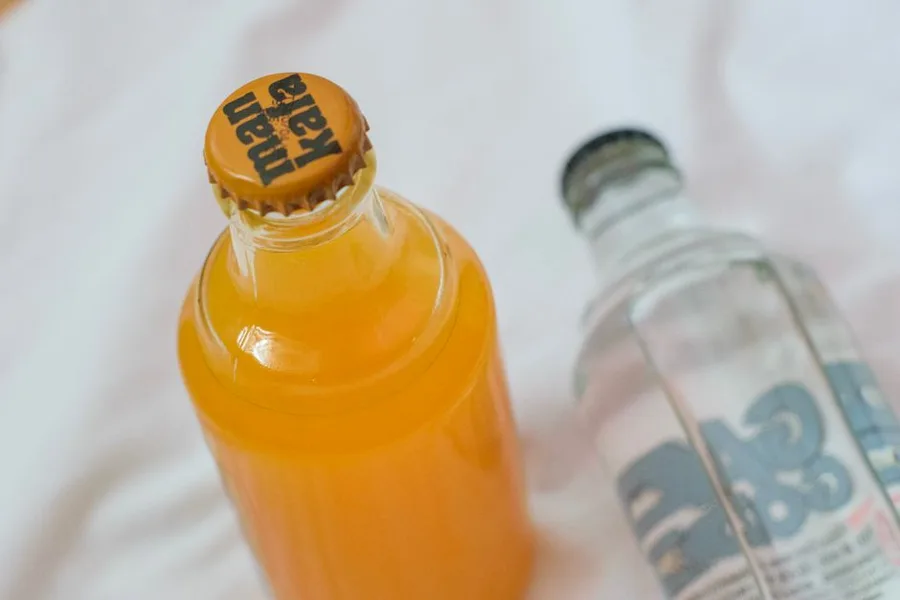
Hard kombucha is a fermented tea beverage that contains alcohol, typically between 4.5% and 7% ABV, making it a popular alternative to beer and cider. It starts with the same base as regular kombucha—sweetened tea fermented with a symbiotic culture of bacteria and yeast (SCOBY)—but undergoes a second fermentation that converts more sugar into alcohol. Unlike regular kombucha, which contains less than 0.5% ABV, hard kombucha is intentionally brewed to be an alcoholic beverage. This guide explains what hard kombucha is, how it’s made, its alcohol content, potential health benefits and risks, and how it compares to other alcoholic drinks.
What is hard kombucha?
Hard kombucha is an alcoholic beverage made from fermented tea and sugar, with an alcohol content typically ranging from 4.5% to 7% ABV. It is produced by fermenting sweetened tea with a SCOBY, then adding extra fermentable sugars and allowing a second fermentation to increase alcohol levels. The result is a slightly effervescent, tangy drink that often contains live probiotics and organic acids. According to the Brewers Association’s 2025 report on hard kombucha, sales in the U.S. grew by 25% in 2024, reaching $650 million, making it one of the fastest-growing segments in the alcoholic beverage industry.
How is hard kombucha made?
The production of hard kombucha involves two main fermentation stages. First, tea leaves (typically black or green) are steeped in hot water, and sugar is added to create a sweet tea base. A SCOBY—a symbiotic culture of bacteria and yeast—is then introduced, initiating the first fermentation. During this stage, yeast converts sugars into alcohol, while bacteria produce organic acids like acetic acid and gluconic acid, giving kombucha its characteristic tartness. This first fermentation typically lasts 7 to 14 days, resulting in a beverage with less than 1% ABV.
The second fermentation for alcohol content
To create hard kombucha, brewers add additional sugar or fruit juice after the first fermentation and allow a second fermentation to occur. This second stage, which can last from a few days to several weeks, encourages yeast to consume the added sugars and produce more alcohol. The final alcohol content depends on the amount of sugar added and the fermentation time. According to a 2025 study published in the Journal of Food Science, hard kombucha’s alcohol content can range from 4.5% to 12% ABV, though most commercial brands fall between 5% and 7%. After the second fermentation, the beverage is often pasteurized or filtered to stabilize the product and control the live cultures, though some brands choose to leave them intact for probiotic benefits.
What is the alcohol content of hard kombucha?
Hard kombucha typically contains between 4.5% and 7% ABV, similar to many beers. However, some craft varieties may reach up to 12% ABV. The alcohol content is determined by the amount of sugar available for fermentation and the yeast strain used. For comparison, regular kombucha contains less than 0.5% ABV, while beer averages 4.5% to 5% ABV, wine is around 12%, and spirits are 40% ABV or higher. According to the Alcohol and Tobacco Tax and Trade Bureau (TTB) regulations, beverages with more than 0.5% ABV are classified as alcoholic and must be labeled with their alcohol content. The TTB’s 2024 guidance requires that hard kombucha labels display ABV accurately, and any health claims must be substantiated.
What are the potential health benefits of hard kombucha?
Hard kombucha may offer some health benefits similar to regular kombucha, but the presence of alcohol complicates the picture. The live probiotics and organic acids in hard kombucha can support gut health, and the tea base provides antioxidants. A 2024 review in the Journal of Nutrition and Metabolism noted that kombucha consumption is associated with improved digestion and immune function, but the review also cautioned that these benefits are primarily observed in non-alcoholic versions. When alcohol is present, the negative effects of alcohol may offset some benefits. According to the National Institutes of Health (NIH), moderate alcohol consumption (up to one drink per day for women and two for men) may have some cardiovascular benefits, but these are not unique to hard kombucha and are outweighed by risks at higher levels.
What are the risks and side effects of hard kombucha?
Hard kombucha carries risks primarily due to its alcohol content. Consuming alcohol increases the risk of liver disease, certain cancers, and accidents. Additionally, hard kombucha may contain live cultures that can interact with medications or cause digestive discomfort in sensitive individuals. The Centers for Disease Control and Prevention (CDC) advises that pregnant women and individuals with compromised immune systems should avoid alcohol entirely. Furthermore, because hard kombucha is a fermented beverage, it may contain trace amounts of other compounds like histamines, which can trigger allergic reactions in some people. A 2025 report from the American Council on Science and Health highlighted that the alcohol content in hard kombucha is often underestimated by consumers, leading to unintended intoxication.
How does hard kombucha compare to beer and other alcoholic drinks?
Hard kombucha is often compared to beer because of its similar alcohol content and carbonation. However, hard kombucha is typically lower in calories and carbohydrates than beer, and it contains live probiotics and organic acids that beer lacks. The table below summarizes the key differences:
| Attribute | Hard Kombucha | Beer | Cider | Wine |
|---|---|---|---|---|
| Typical ABV | 4.5%–7% | 4.5%–5% | 4.5%–6% | 12% |
| Calories per 12 oz | 50–100 | 150–200 | 150–200 | 120–150 (5 oz) |
| Carbohydrates per 12 oz | 2–5 g | 10–15 g | 15–20 g | 3–5 g (5 oz) |
| Live probiotics | Yes (if unpasteurized) | No | No | No |
| Gluten-free | Yes (if made from tea) | No (unless gluten-free) | Yes | Yes |
According to a 2026 consumer survey by the International Beverage Research Group, 45% of hard kombucha drinkers choose it as a lower-calorie alternative to beer, while 30% prefer it for its probiotic content. However, the same survey found that 20% of respondents were unaware of the alcohol content, highlighting the need for clear labeling.
Why does hard kombucha matter in 2026?
Hard kombucha has become a significant player in the functional beverage market, appealing to health-conscious consumers who want an alcoholic drink with potential gut health benefits. In 2026, the market for hard kombucha is projected to reach $1.2 billion in the U.S., according to the Beverage Marketing Corporation’s 2026 forecast. This growth reflects a broader trend toward “better-for-you” alcohol options. However, the category faces regulatory scrutiny, as some brands have been cited for inaccurate ABV labeling. The TTB has increased enforcement, and in 2025, it issued new guidelines requiring that hard kombucha labels include the alcohol content in a prominent format. As consumers become more educated, the demand for transparency and quality will likely shape the market’s future.
Who is hard kombucha for?
Hard kombucha is for adults who enjoy alcoholic beverages but are looking for a lower-calorie, gluten-free option that may offer additional benefits like probiotics. It appeals to health enthusiasts, fitness-conscious individuals, and those who prefer a lighter, tangier drink over beer or wine. However, it is not suitable for anyone who should avoid alcohol, including pregnant women, individuals with a history of alcohol abuse, or those taking medications that interact with alcohol. If you are sensitive to caffeine, note that hard kombucha contains tea, which has caffeine, though the amount is typically lower than a cup of coffee.
What are common misconceptions about hard kombucha?
One common misconception is that hard kombucha is non-alcoholic or contains only trace alcohol. In reality, hard kombucha’s ABV is comparable to beer. Another misconception is that all hard kombucha contains live probiotics; however, many commercial brands are pasteurized or filtered, which kills the beneficial bacteria. According to a 2025 article in the Journal of the American Dietetic Association, consumers should check labels for “live cultures” or “unpasteurized” to ensure probiotic content. Additionally, some believe that hard kombucha is a health food, but the alcohol content means it should be consumed in moderation, just like any other alcoholic beverage.
How to choose a hard kombucha
When choosing a hard kombucha, consider the following factors: alcohol content, calorie count, sugar content, and whether it contains live cultures. Look for brands that clearly label the ABV and list ingredients. If you prefer probiotics, choose unpasteurized varieties. For lower calories, select options with less added sugar. According to the 2026 Consumer Guide on Fermented Beverages, the average hard kombucha contains 5–7 grams of sugar per serving, but some brands have as little as 2 grams. Always check the label for nutritional information and serving size.
Now that you understand the basics of hard kombucha
You know what hard kombucha is, how it’s made, its alcohol content, and its potential benefits and risks. To explore further, check out our guides on kombucha vs. beer, low-calorie alcoholic drinks, and probiotics in fermented beverages.
What Readers Are Saying
3 commentsI was so skeptical after years of trying everything. But 3 months in and I've lost 22 lbs. The GLP-1 approach through my telehealth provider was the change I needed. Wish I'd found this a year ago.
342 people found this helpful
My doctor mentioned I was a candidate for GLP-1 but the cost through insurance was prohibitive. Found a telehealth option for under $200/month which is a game-changer.
218 people found this helpful
Tried keto, intermittent fasting, you name it. The biological approach finally made things click. Down 18 lbs in 8 weeks and my energy is back.
156 people found this helpful
Based on this article
Why Diets Keep Failing You
Compounded Tirzepatide and Semaglutide deliver the same active ingredients as Ozempic and Mounjaro — through telehealth platforms for a fraction of the brand-name cost
Top pick: Gala · Starting at $179/mo — lowest price in the US
Related Solution Guides
Why Diets Keep Failing You — And the Prescription That Produces 15–22% Weight Loss Without $1,500/Month Ozempic
Compounded Tirzepatide and Semaglutide deliver the same active ingredients as Ozempic and Mounjaro — through telehealth platforms for a fraction of the brand-name cost
You've Tried to Quit Vaping. Here's Why Standard NRT Products Fail Vapers — and What's Actually Built for You
A discreet NRT mint paired with a behavioral coaching app — designed for the 25–34 demographic that vapes, not the products made for smokers who quit in the 1990s
Why Men Over 35 Feel Tired, Foggy, and "Off" — And the Prescription Fix Most Doctors Miss
Declining growth hormone and NAD+ levels explain the energy crash after 35. Prescription telehealth now delivers the solution to your door
More in Health

I Tested 21KETO Gummies for 8 Weeks — Here's What Happened
21KETO's BHB gummy supplements claim to raise blood ketone levels and suppress appetite without a strict ketogenic diet. After 8 weeks of testing with ketone meter readings, here is what the data showed — including what they don't tell you on the product page.
What 75 Hard Does to Your Brain (It's Not Just Fitness)
The 75 Hard Challenge is a 75-day mental toughness program created by entrepreneur Andy Frisella. Participants must follow five daily tasks:

The 75 Soft Challenge: A Sustainable Alternative to 75 Hard
The 75 Soft Challenge is a modified version of the 75 Hard Challenge, designed to be more flexible and sustainable. While exact rules vary,