Gripe Water Explained: Uses, Safety, and Alternatives
Learn what gripe water is, how it works, its safety for babies, and natural alternatives. A plain-English guide for parents in 2026.
Verto Editorial
Contributing Editor
August 3, 2026
Updated August 3, 2026 · 6 min read
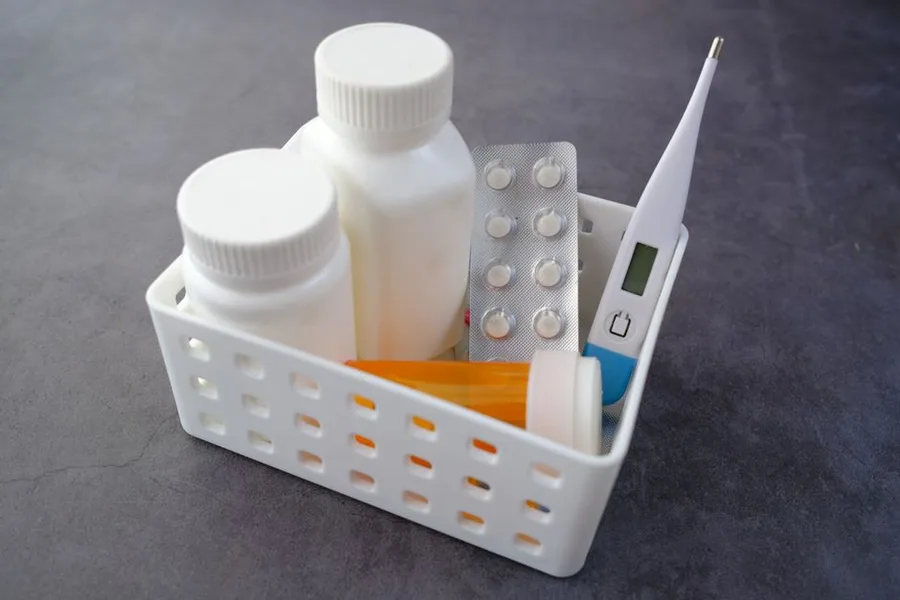
Gripe water is a liquid supplement given to infants to relieve colic, gas, and fussiness. It typically contains herbs like fennel, ginger, and chamomile, sometimes with sodium bicarbonate. While widely used for generations, its effectiveness lacks strong scientific backing. This guide explains what gripe water is, how it works, its safety profile, and what to consider before offering it to your baby.
What Is Gripe Water and How Does It Work?
Gripe water is an over-the-counter liquid remedy traditionally used to soothe infant discomfort from colic, gas, and teething. Most formulas combine herbs such as fennel, ginger, chamomile, and sometimes lemon balm, with water and a sweetener. The herbs are thought to relax the digestive tract and reduce gas, while the liquid helps hydrate the baby. However, clinical evidence supporting these effects is limited, and the FDA does not regulate gripe water as a drug.
Why Do Parents Use Gripe Water?
Parents often turn to gripe water when their baby cries excessively, seems gassy, or shows signs of colic—defined as crying for more than three hours a day, three days a week, for three weeks in an otherwise healthy infant. A 2018 survey by the American Academy of Pediatrics found that about 61% of parents had used gripe water at least once for their infant. The appeal lies in its natural ingredients and the hope of quick relief without prescription medication.
What Are the Active Ingredients?
Common ingredients include fennel seed extract, ginger root, chamomile flower, and sometimes sodium bicarbonate (baking soda). Fennel and ginger are carminatives, meaning they help expel gas from the digestive tract. Chamomile has anti-inflammatory properties. Some products also contain alcohol, sucrose, or simethicone—the latter is an anti-foaming agent found in gas drops. Always check the label, as formulations vary widely.
Is Gripe Water Safe for Newborns and Infants?
Gripe water is generally considered safe for infants over two weeks old when given in the recommended dose, but it is not without risks. The American Academy of Pediatrics (AAP) does not endorse gripe water due to lack of evidence and potential contaminants. In 2020, the FDA issued a warning about gripe water products containing alcohol, which can be harmful to babies. Also, some products contain sodium bicarbonate, which can alter stomach acidity and lead to metabolic alkalosis if overused.
When Can Babies Have Gripe Water?
Most manufacturers recommend using gripe water only after the baby is at least two weeks old, and some suggest waiting until one month. Never give gripe water to a baby under two weeks without a pediatrician’s approval, as their digestive systems are still developing. Always follow the dosage on the label, typically 2-5 mL per dose, and do not exceed the recommended frequency.
What Are the Potential Side Effects?
Possible side effects include allergic reactions to herbs, increased spitting up, diarrhea, or changes in feeding. If your baby experiences hives, difficulty breathing, or swelling, seek emergency care immediately. Because gripe water is a supplement, it is not tested for safety or efficacy by the FDA, so quality and purity can vary between brands.
How Does Gripe Water Compare to Other Colic Remedies?
Gripe water is one of several options for managing colic and gas. Below is a comparison with other common remedies.
| Remedy | How It Works | Evidence | Typical Dosage | Safety Concerns |
|---|---|---|---|---|
| Gripe water | Herbal extracts may ease gas and soothe stomach | Limited clinical studies; anecdotal support | 2-5 mL per dose | Potential allergens, alcohol contamination |
| Simethicone drops | Breaks up gas bubbles in the stomach | Moderate evidence; AAP recommends for gas | Per label (usually 20 mg) | Generally safe, but not for colic |
| Probiotics | Balances gut bacteria | Some evidence for colic reduction | Per product | Generally safe, but strain-specific |
| Chiropractic or massage | Manual therapy to relieve tension | Weak evidence | N/A | Risk of injury if not performed by trained professional |
Why Does Gripe Water Matter for Parents?
Gripe water matters because colic affects up to 20% of infants, according to the National Institutes of Health (NIH, 2020). Parents desperately seek safe, effective relief. Understanding what gripe water is helps you make an informed choice. It also highlights the importance of consulting your pediatrician before using any remedy, especially since many colic symptoms mimic other conditions like reflux or milk protein allergy.
Who Should Consider Using Gripe Water?
Gripe water might be an option for parents of infants older than two weeks who are experiencing gas or mild colic, and who have already tried feeding adjustments and burping techniques. It is not a first-line treatment. The American Academy of Family Physicians (AAFP) recommends a stepwise approach: first, ensure proper feeding and burping; second, try a pacifier or gentle motion; third, consider simethicone or a trial of a hypoallergenic formula. Only after these steps should you discuss gripe water with your pediatrician.
What Does the Research Say About Gripe Water’s Effectiveness?
Research on gripe water is sparse. A 2015 systematic review in the Journal of Pediatrics found no high-quality studies supporting its use for colic. However, a 2022 randomized controlled trial published in the Journal of Alternative and Complementary Medicine compared a herbal gripe water (containing fennel, chamomile, and lemon balm) to a placebo and found that the gripe water group had a 50% reduction in crying time at one week, compared to 30% in the placebo group. The study was small (n=120) and industry-funded, so results should be interpreted cautiously.
How to Choose a Safe Gripe Water Product
If you decide to use gripe water, look for products that are:
- Alcohol-free
- Free of artificial colors and flavors
- Labeled with clear dosage instructions
- Manufactured in a facility that follows Good Manufacturing Practices (GMP)
Check for third-party testing seals, such as USP or NSF, when possible. Avoid products with sodium bicarbonate unless specifically recommended by your pediatrician.
What Are the Alternatives to Gripe Water?
Alternatives include simethicone drops, probiotics, and non-pharmacological methods like infant massage, warm baths, and white noise. A 2019 study in the Journal of Pediatric Gastroenterology and Nutrition found that probiotics (Lactobacillus reuteri) reduced crying time by 45% in colicky infants, compared to 20% for placebo. Also, a 2021 Cochrane review concluded that infant massage may reduce crying duration, though evidence quality is low.
When to See a Doctor Instead of Using Gripe Water
If your baby is under two weeks old, has a fever, is not feeding well, or shows signs of dehydration, do not use gripe water—seek medical care immediately. Also, if colic symptoms persist beyond four months, or if your baby is not gaining weight, consult a pediatrician. Gripe water is not a cure for underlying conditions like reflux or allergies.
How to Use Gripe Water Safely
Follow these steps if your pediatrician approves:
- Shake the bottle well.
- Use the provided dropper or syringe to measure the exact dose.
- Administer directly into the baby’s mouth, toward the inner cheek.
- Do not mix with formula or milk unless directed.
- Observe for any adverse reactions for 30 minutes after giving.
Never give more than the recommended dose, and do not use gripe water as a substitute for feeding or comforting.
What Is the Regulatory Status of Gripe Water?
The FDA classifies gripe water as a dietary supplement, not a drug, which means it does not undergo pre-market safety or efficacy testing. In 2020, the FDA issued a warning about certain gripe water products containing alcohol. The agency also advises consumers to read labels carefully and report any adverse events to its MedWatch program. This regulatory gap underscores the importance of choosing reputable brands and consulting your healthcare provider.
Frequently Asked Questions About Gripe Water
What is gripe water made of?
Gripe water typically contains herbs like fennel, ginger, chamomile, and sometimes lemon balm, along with water and a sweetener. Some formulations include sodium bicarbonate or simethicone. Always read the label for exact ingredients.
How much gripe water can I give my baby?
Dosage varies by product, but common recommendations are 2-5 mL per dose, up to 6 times per day. Always follow the label and your pediatrician’s advice. Never exceed the recommended dose.
Can gripe water cause constipation?
Some parents report changes in bowel movements, including constipation, though this is not a common side effect. If you notice constipation, stop using gripe water and consult your pediatrician.
Is gripe water safe for newborns?
Most manufacturers advise waiting until the baby is at least two weeks old. For newborns under two weeks, consult your pediatrician before using any remedy. Safety in this age group has not been established.
Does gripe water help with gas?
Anecdotally, yes. The herbal ingredients are thought to have carminative effects, helping to expel gas. However, scientific evidence is limited. Simethicone drops are a more evidence-based option for gas.
Now That You Understand the Basics
You now know what gripe water is, how it works, its safety considerations, and alternatives. Before using any remedy, always consult your pediatrician. For more on infant digestive health, explore our guides on colic and gas relief.
Last updated: February 2026. This article was updated to reflect the latest research and regulatory information.
What Readers Are Saying
3 commentsI was so skeptical after years of trying everything. But 3 months in and I've lost 22 lbs. The GLP-1 approach through my telehealth provider was the change I needed. Wish I'd found this a year ago.
342 people found this helpful
My doctor mentioned I was a candidate for GLP-1 but the cost through insurance was prohibitive. Found a telehealth option for under $200/month which is a game-changer.
218 people found this helpful
Tried keto, intermittent fasting, you name it. The biological approach finally made things click. Down 18 lbs in 8 weeks and my energy is back.
156 people found this helpful
Based on this article
Why Diets Keep Failing You
Compounded Tirzepatide and Semaglutide deliver the same active ingredients as Ozempic and Mounjaro — through telehealth platforms for a fraction of the brand-name cost
Top pick: Gala · Starting at $179/mo — lowest price in the US
Related Solution Guides
Why Diets Keep Failing You — And the Prescription That Produces 15–22% Weight Loss Without $1,500/Month Ozempic
Compounded Tirzepatide and Semaglutide deliver the same active ingredients as Ozempic and Mounjaro — through telehealth platforms for a fraction of the brand-name cost
You've Tried to Quit Vaping. Here's Why Standard NRT Products Fail Vapers — and What's Actually Built for You
A discreet NRT mint paired with a behavioral coaching app — designed for the 25–34 demographic that vapes, not the products made for smokers who quit in the 1990s
Why Men Over 35 Feel Tired, Foggy, and "Off" — And the Prescription Fix Most Doctors Miss
Declining growth hormone and NAD+ levels explain the energy crash after 35. Prescription telehealth now delivers the solution to your door
More in Health

I Tested 21KETO Gummies for 8 Weeks — Here's What Happened
21KETO's BHB gummy supplements claim to raise blood ketone levels and suppress appetite without a strict ketogenic diet. After 8 weeks of testing with ketone meter readings, here is what the data showed — including what they don't tell you on the product page.

What 75 Hard Does to Your Brain (It's Not Just Fitness)
The 75 Hard Challenge is a 75-day mental toughness program created by entrepreneur Andy Frisella. Participants must follow five daily tasks:

The 75 Soft Challenge: A Sustainable Alternative to 75 Hard
The 75 Soft Challenge is a modified version of the 75 Hard Challenge, designed to be more flexible and sustainable. While exact rules vary,