Foundation Garments Explained: What They Do and Who They're For
Learn what foundation garments are, how they work, and who benefits from them. A plain-English guide to choosing the right shapewear for your needs.
Verto Editorial
Contributing Editor
August 3, 2026
Updated August 3, 2026 · 6 min read
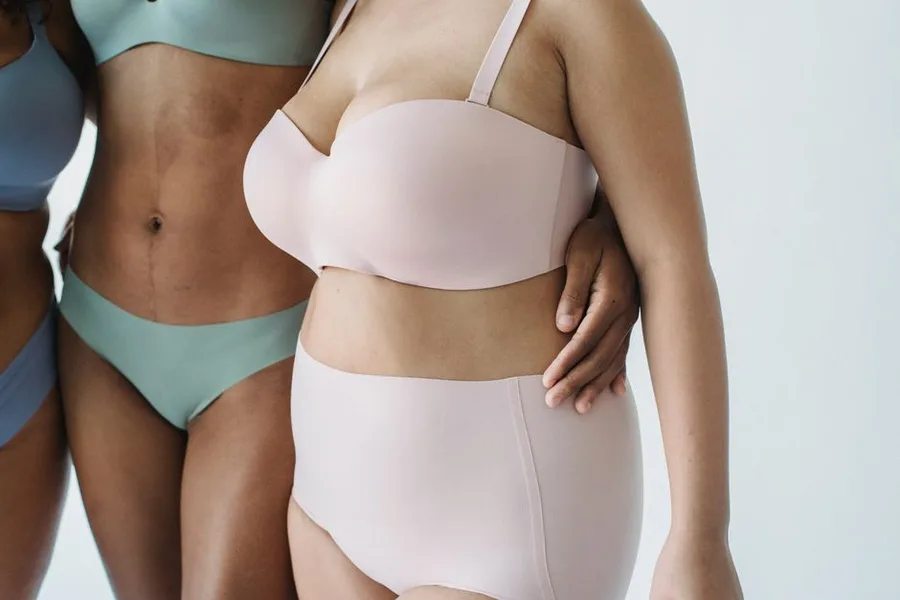
A foundation garment is a structured undergarment designed to shape, smooth, and support the body’s silhouette beneath clothing. These garments, which include corsets, girdles, bodysuits, and shapewear, work by applying gentle, distributed pressure to specific areas like the waist, hips, and thighs. They are worn by people of all genders and body types to achieve a smoother appearance under fitted clothing, improve posture, or provide support after surgery. This guide explains the types, benefits, and considerations to help you decide if a foundation garment is right for you.
What Is a Foundation Garment?
A foundation garment is a type of underwear or undergarment that provides shaping and support to the torso and hips. Unlike regular underwear, foundation garments are engineered with firm fabrics, boning, or compression panels to mold the body into a desired silhouette. They are often used to create a smooth line under clothing, enhance curves, or provide extra support for the back and abdomen. The term ‘foundation’ refers to the garment’s role as a base layer that other clothing sits upon.
Why Do People Wear Foundation Garments?
People wear foundation garments for a variety of reasons, ranging from aesthetic to medical. According to a 2023 survey by the International Textile and Apparel Association, approximately 40% of women in the United States report wearing some form of shapewear at least once a month. The primary motivations include smoothing visible lines under fitted clothing, enhancing body confidence, and providing support for the lower back. Additionally, some people wear foundation garments post-surgery to support healing tissues, as recommended by medical professionals. The decision to wear one is deeply personal and depends on individual comfort and goals.
Who Are Foundation Garments For?
Foundation garments are for anyone who wants to alter or smooth their silhouette under clothing. This includes people preparing for special events like weddings or galas, professionals wearing tailored suits, and individuals seeking posture support during long workdays. They are also used by postpartum mothers to support abdominal recovery, as noted in a 2024 report from the American College of Obstetricians and Gynecologists, which mentions that abdominal binders can provide comfort after delivery. Importantly, foundation garments are not limited to any gender or body type; modern designs cater to diverse shapes and sizes.
How Do Foundation Garments Work?
The mechanics of a foundation garment depend on its design and materials. Most use a combination of elastic synthetic fibers, such as spandex or nylon, to create compression. Some incorporate rigid elements like steel boning or plastic stays to maintain structure and shape. The garment applies pressure to soft tissue, redistributing it to create a smoother contour. For example, a high-waisted shaper compresses the abdomen and waist, while a bodysuit smooths the entire torso. The level of compression varies from light (for comfort) to firm (for dramatic shaping), and choosing the right level is key to avoiding discomfort.
Types of Foundation Garments
| Type | Purpose | Typical Coverage | Compression Level |
|---|---|---|---|
| Corset | Waist cinching and posture support | Torso, from bust to hips | Firm to extreme |
| Girdle | Smoothing hips and thighs | Lower torso, from waist to upper thigh | Light to firm |
| Bodysuit | Full torso smoothing and shaping | Shoulders to thighs, with or without sleeves | Light to firm |
| High-waisted shaper | Abdomen and waist compression | Waist to upper thigh | Light to firm |
| Shaping camisole | Torso smoothing and bust support | Bust to waist | Light |
| Post-surgical binder | Abdominal support after surgery | Abdomen or chest | Firm, adjustable |
Each type serves a distinct purpose. Corsets are historically associated with waist training and dramatic curves, while girdles are more about smoothing the lower half. Bodysuits offer all-in-one shaping, and shaping camisoles are a lighter option for everyday wear. Post-surgical binders are specifically designed for medical recovery and should be chosen under medical guidance.
Key Considerations When Choosing a Foundation Garment
When selecting a foundation garment, consider the following factors: the level of compression, the garment’s material, and the intended use. Compression levels range from light to extra-firm; firmer garments provide more shaping but may be less comfortable for prolonged wear. Materials like nylon and spandex offer breathability and stretch, while cotton blends are more absorbent and suitable for sensitive skin. Additionally, think about the clothing you plan to wear over the garment. For example, a seamless bodysuit works well under tight dresses, while a high-waisted shaper is ideal for trousers. Always check the sizing chart, as a garment that is too small can cause discomfort or health issues, such as nerve compression or skin irritation.
Are There Any Health Risks or Drawbacks?
While foundation garments are generally safe when worn correctly, there are potential drawbacks. Wearing a garment that is too tight can lead to discomfort, difficulty breathing, or digestive issues. According to a 2022 review in the Journal of Clinical and Aesthetic Dermatology, prolonged use of very tight shapewear can cause skin irritation, chafing, and even temporary nerve compression. To minimize risks, choose the correct size, limit wear to 8-10 hours per day, and take breaks. If you have a medical condition, such as a hernia or cardiovascular issues, consult a healthcare provider before using a compression garment. Post-surgical binders should only be used as directed by a physician.
How to Care for Your Foundation Garment
Proper care extends the life of your foundation garment and maintains its effectiveness. Most garments should be hand-washed in cold water with a mild detergent and laid flat to dry. Avoid wringing or twisting, as this can damage the elastic fibers. Do not use fabric softeners, which can break down spandex. Some garments are machine-washable, but always check the care label. With proper care, a high-quality foundation garment can last for years, according to a 2025 consumer report from Consumer Reports, which found that shapewear items made with at least 80% spandex retained their shape after 50 wash cycles.
Now That You Understand the Basics
Now that you understand the basics of foundation garments, you can make an informed decision about whether to incorporate one into your wardrobe. To explore specific types, see our guides on corsets, shapewear, and post-surgical binders. Each guide offers detailed information on features, benefits, and how to choose the right option for your needs.
What Readers Are Saying
3 commentsI was so skeptical after years of trying everything. But 3 months in and I've lost 22 lbs. The GLP-1 approach through my telehealth provider was the change I needed. Wish I'd found this a year ago.
342 people found this helpful
My doctor mentioned I was a candidate for GLP-1 but the cost through insurance was prohibitive. Found a telehealth option for under $200/month which is a game-changer.
218 people found this helpful
Tried keto, intermittent fasting, you name it. The biological approach finally made things click. Down 18 lbs in 8 weeks and my energy is back.
156 people found this helpful
Based on this article
Why Diets Keep Failing You
Compounded Tirzepatide and Semaglutide deliver the same active ingredients as Ozempic and Mounjaro — through telehealth platforms for a fraction of the brand-name cost
Top pick: Gala · Starting at $179/mo — lowest price in the US
Related Solution Guides
Why Diets Keep Failing You — And the Prescription That Produces 15–22% Weight Loss Without $1,500/Month Ozempic
Compounded Tirzepatide and Semaglutide deliver the same active ingredients as Ozempic and Mounjaro — through telehealth platforms for a fraction of the brand-name cost
You've Tried to Quit Vaping. Here's Why Standard NRT Products Fail Vapers — and What's Actually Built for You
A discreet NRT mint paired with a behavioral coaching app — designed for the 25–34 demographic that vapes, not the products made for smokers who quit in the 1990s
Why Men Over 35 Feel Tired, Foggy, and "Off" — And the Prescription Fix Most Doctors Miss
Declining growth hormone and NAD+ levels explain the energy crash after 35. Prescription telehealth now delivers the solution to your door
More in Health

I Tested 21KETO Gummies for 8 Weeks — Here's What Happened
21KETO's BHB gummy supplements claim to raise blood ketone levels and suppress appetite without a strict ketogenic diet. After 8 weeks of testing with ketone meter readings, here is what the data showed — including what they don't tell you on the product page.
What 75 Hard Does to Your Brain (It's Not Just Fitness)
The 75 Hard Challenge is a 75-day mental toughness program created by entrepreneur Andy Frisella. Participants must follow five daily tasks:

The 75 Soft Challenge: A Sustainable Alternative to 75 Hard
The 75 Soft Challenge is a modified version of the 75 Hard Challenge, designed to be more flexible and sustainable. While exact rules vary,