Earwax Explained: What It Is, Why You Need It, and How to Manage It
Learn what earwax is, its role in ear health, safe removal methods, and when to see a doctor. Plain-English guide backed by experts.
Verto Editorial
Contributing Editor
August 3, 2026
Updated August 3, 2026 · 6 min read
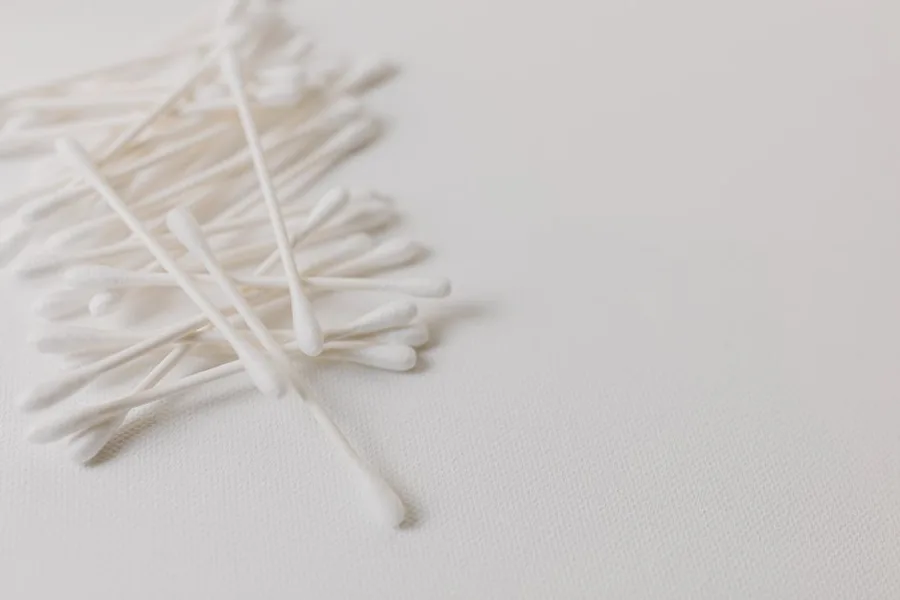
Earwax, or cerumen, is a natural substance produced by glands in the outer ear canal that protects, cleans, and lubricates the ear. It traps dust and debris, repels water, and has antimicrobial properties. Most people never need to remove earwax; the ear is self-cleaning. Safe management involves wiping the outer ear with a cloth, while cotton swabs and ear candles are ineffective and risky. Seek medical help if you have pain, discharge, or sudden hearing loss.
What Is Earwax and Why Does Your Body Make It?
Earwax, scientifically known as cerumen, is a waxy oil secreted by the ceruminous and sebaceous glands in the outer third of the ear canal. It is a mixture of shed skin cells, hair, and secretions that work together to protect the ear from damage and infection. According to the American Academy of Otolaryngology–Head and Neck Surgery (AAO-HNS), earwax is not a sign of poor hygiene; it is a self-cleaning agent with protective properties.
The primary functions of earwax are to trap dust, bacteria, and other foreign particles before they reach the eardrum, to lubricate the ear canal to prevent dryness and itching, and to provide a barrier against water, reducing the risk of swimmer’s ear. It also contains antimicrobial peptides, such as lysozyme, that help fight bacterial and fungal infections, as noted by the National Institutes of Health (NIH) in its 2021 review of cerumen.
Why Earwax Matters for Your Ear Health
Earwax is not a nuisance; it is an essential part of your ear’s defense system. Without it, your ears would be more susceptible to infections, itching, and damage from foreign objects. The ear canal is lined with delicate skin, and earwax acts as a protective coating that prevents irritation from moisture and friction.
Moreover, earwax has a natural cleaning mechanism. As your jaw moves when you chew or speak, the cartilage in your ear canal moves, gradually pushing old earwax from the inner ear toward the outer opening, where it dries and falls out. This self-cleaning process is continuous and requires no intervention. According to the Cleveland Clinic, this migration process typically takes a few months, and any attempt to speed it up with tools can disrupt it.
Who Should Pay Attention to Earwax?
While earwax is a normal and healthy occurrence, certain groups need to be more mindful of it. People who use hearing aids or earplugs are more prone to earwax impaction because these devices can push wax deeper into the canal and block its natural migration. According to the Hearing Loss Association of America, up to 70% of hearing aid users experience cerumen impaction at some point.
Children and older adults are also at higher risk. Children have narrower ear canals, making impaction more likely, while older adults often produce drier earwax that can accumulate. If you have a history of earwax impaction, eczema in the ear canal, or a perforated eardrum, you should take extra care and consult a healthcare professional before attempting any removal.
What Are the Different Types of Earwax?
Earwax can vary in appearance and consistency, and this variation is largely determined by genetics. There are two main types: wet and dry. Wet earwax is brown or yellow, sticky, and moist, while dry earwax is gray or tan, flaky, and brittle. The type is determined by a single gene, ABCC11, as identified in a 2006 study published in Nature Genetics. People of East Asian descent are more likely to have dry earwax, whereas people of African or European descent typically have wet earwax.
Neither type is inherently better; both are normal and serve the same protective functions. However, the type can influence how easily earwax builds up and how you should manage it. For instance, dry earwax may be more prone to flaking and accumulating, while wet earwax may be more likely to cause a feeling of fullness.
| Type | Appearance | Consistency | Genetic Prevalence |
|---|---|---|---|
| Wet | Brown or yellow | Sticky, moist | Common in African and European populations |
| Dry | Gray or tan | Flaky, brittle | Common in East Asian populations |
What Causes Earwax Buildup and Impaction?
Earwax buildup occurs when the ear produces more wax than the self-cleaning mechanism can remove, or when the wax is pushed deeper into the canal. The most common cause of impaction is the use of cotton swabs or other objects. According to the AAO-HNS, inserting anything into the ear canal, including cotton swabs, is a leading cause of cerumen impaction. This practice pushes wax deeper, compacts it, and can damage the delicate skin or eardrum.
Other contributing factors include narrow or hairy ear canals, aging (which thickens the wax), and frequent use of earplugs or earbuds. According to a 2020 study in the Journal of Primary Health Care, approximately 1 in 20 adults experiences impacted earwax, with higher rates among nursing home residents and people with intellectual disabilities.
How to Safely Manage Earwax at Home
For most people, the safest approach is to leave earwax alone. The ear is self-cleaning, and any intervention risks pushing wax deeper or injuring the ear. If you feel the need to clean your ears, the safest method is to wipe the outer ear with a damp cloth over your finger. You should never insert anything into the ear canal, including cotton swabs, bobby pins, or paper clips.
If you experience symptoms of blockage, such as a feeling of fullness, ringing, or hearing loss, you can use over-the-counter ear drops that soften wax. These drops typically contain carbamide peroxide, which helps break up the wax. However, the AAO-HNS advises using them only if you know you do not have a perforated eardrum, as the drops can cause pain or infection if they enter the middle ear. If symptoms persist, see a healthcare provider.
When Should You See a Doctor About Earwax?
You should consult a healthcare professional if you experience ear pain, discharge, bleeding, sudden hearing loss, or a feeling of fullness that does not resolve with home care. These symptoms could indicate an impacted earwax that requires professional removal, or they could signal an infection or other condition that needs medical attention.
Professional removal methods include irrigation (gentle water flushing), microsuction (using a vacuum-like device), or manual removal with a curette under a microscope. According to a 2018 clinical practice guideline from the AAO-HNS, microsuction is effective and safe, and it is often preferred because it does not require water, reducing the risk of infection. Do not attempt these procedures at home; they require specialized equipment and training.
What Are the Risks of Using Cotton Swabs and Ear Candles?
Using cotton swabs to clean your ears is not only ineffective but also dangerous. Instead of removing wax, they push it deeper into the canal, leading to impaction. They can also cause trauma to the ear canal skin, leading to bleeding and infection, and in severe cases, they can perforate the eardrum. According to the U.S. Food and Drug Administration (FDA), ear candles—hollow cones placed in the ear and lit—are not safe and have no proven benefits. They can cause burns, injury, and even push wax deeper.
Despite popular belief, ear candling does not remove earwax. A 2010 study in the Journal of Laryngology & Otology found that ear candling produces no measurable negative pressure and deposits candle wax in the ear. The American Academy of Audiology also advises against the practice, labeling it as both ineffective and unsafe.
Common Myths About Earwax Debunked
Many misconceptions surround earwax, leading to unsafe practices. One common myth is that earwax is a sign of poor hygiene. In reality, earwax is a natural and healthy secretion; its presence does not indicate uncleanliness. Another myth is that you should clean your ears regularly with cotton swabs. This is false and can cause more harm than good.
A third myth is that ear candling can draw out toxins and wax. As mentioned, ear candling is ineffective and dangerous. Finally, some believe that if you have earwax, you will have hearing loss. While severe impaction can cause temporary hearing loss, normal amounts of earwax do not significantly affect hearing. According to the Mayo Clinic, hearing loss from earwax is usually reversible with proper removal.
How Does Earwax Affect Hearing and Hearing Aids?
Earwax can affect hearing when it accumulates to the point of impaction, blocking the ear canal. This can cause a feeling of fullness and a temporary reduction in hearing. For hearing aid users, earwax is a common problem because the device can obstruct the ear canal and push wax inward. According to the American Speech-Language-Hearing Association (ASHA), earwax is a leading cause of hearing aid malfunction, as it can clog the receiver and microphone.
If you wear hearing aids, it is important to check your ears regularly and follow your audiologist’s advice on cleaning and maintenance. Some hearing aids come with wax guards or filters that need periodic replacement. If you suspect earwax impaction, see a healthcare provider for safe removal before it damages your device.
Now That You Understand the Basics
You now know what earwax is, why it is essential, and how to manage it safely. The key takeaway is that earwax is your friend, not a problem to be eliminated. Leave it alone, and it will take care of itself. If you have concerns, consult a healthcare provider. For more information on ear health, explore our guides on ear infections and hearing protection.
- Related: Ear Infections: Causes, Symptoms, and Prevention
- Related: Hearing Protection for Everyday Life
- Related: Ear Care for Swimmers
What Readers Are Saying
3 commentsI was so skeptical after years of trying everything. But 3 months in and I've lost 22 lbs. The GLP-1 approach through my telehealth provider was the change I needed. Wish I'd found this a year ago.
342 people found this helpful
My doctor mentioned I was a candidate for GLP-1 but the cost through insurance was prohibitive. Found a telehealth option for under $200/month which is a game-changer.
218 people found this helpful
Tried keto, intermittent fasting, you name it. The biological approach finally made things click. Down 18 lbs in 8 weeks and my energy is back.
156 people found this helpful
Based on this article
Why Diets Keep Failing You
Compounded Tirzepatide and Semaglutide deliver the same active ingredients as Ozempic and Mounjaro — through telehealth platforms for a fraction of the brand-name cost
Top pick: Gala · Starting at $179/mo — lowest price in the US
Related Solution Guides
Why Diets Keep Failing You — And the Prescription That Produces 15–22% Weight Loss Without $1,500/Month Ozempic
Compounded Tirzepatide and Semaglutide deliver the same active ingredients as Ozempic and Mounjaro — through telehealth platforms for a fraction of the brand-name cost
You've Tried to Quit Vaping. Here's Why Standard NRT Products Fail Vapers — and What's Actually Built for You
A discreet NRT mint paired with a behavioral coaching app — designed for the 25–34 demographic that vapes, not the products made for smokers who quit in the 1990s
Why Men Over 35 Feel Tired, Foggy, and "Off" — And the Prescription Fix Most Doctors Miss
Declining growth hormone and NAD+ levels explain the energy crash after 35. Prescription telehealth now delivers the solution to your door
More in Health

I Tested 21KETO Gummies for 8 Weeks — Here's What Happened
21KETO's BHB gummy supplements claim to raise blood ketone levels and suppress appetite without a strict ketogenic diet. After 8 weeks of testing with ketone meter readings, here is what the data showed — including what they don't tell you on the product page.

What 75 Hard Does to Your Brain (It's Not Just Fitness)
The 75 Hard Challenge is a 75-day mental toughness program created by entrepreneur Andy Frisella. Participants must follow five daily tasks:

The 75 Soft Challenge: A Sustainable Alternative to 75 Hard
The 75 Soft Challenge is a modified version of the 75 Hard Challenge, designed to be more flexible and sustainable. While exact rules vary,