Derma Roller Explained: Benefits, Risks, and How It Works
Learn what a derma roller is, how it works, its benefits and risks, and who should use it. A plain-English guide to microneedling at home in 2026.
Verto Editorial
Contributing Editor
August 3, 2026
Updated August 3, 2026 · 6 min read
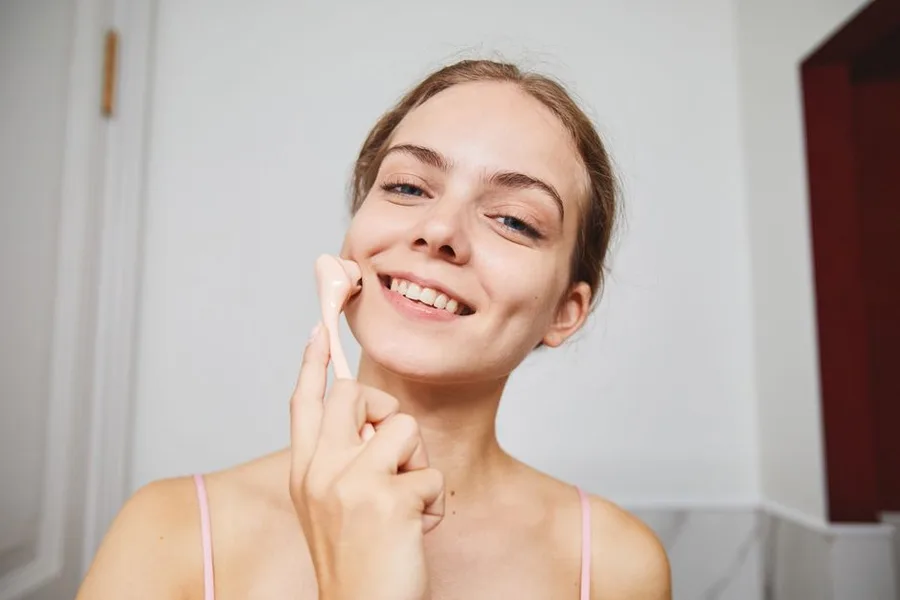
A derma roller is a small handheld device covered in tiny, sterile needles that create microscopic punctures in the top layer of your skin. This process, called microneedling or collagen induction therapy, triggers your skin’s natural repair response, boosting collagen and elastin production to improve texture, tone, and the appearance of scars and fine lines. Derma rollers are used at home and in professional settings, with needle lengths ranging from 0.2mm to 1.5mm. While generally safe when used correctly, they carry risks of infection and skin damage if misused. This guide explains what a derma roller is, how it works, its benefits, risks, and who should use it.
What Is a Derma Roller?
A derma roller is a device consisting of a cylindrical drum covered in hundreds of microscopic needles, attached to a handle. When rolled across the skin, the needles create controlled micro-injuries—tiny punctures in the epidermis and, depending on needle length, the upper dermis. These micro-wounds stimulate the body’s wound-healing cascade, which includes the release of growth factors and the production of collagen and elastin, the proteins responsible for skin firmness and elasticity. The result is smoother, more even-toned skin with reduced appearance of scars, fine lines, and enlarged pores.
Derma rollers are available in various needle sizes. Shorter needles (0.2mm to 0.5mm) are designed for home use to improve product absorption and gently exfoliate. Longer needles (0.5mm to 1.5mm) are typically used by professionals to treat scars and deeper wrinkles. The device is used in a stamping or rolling motion, and the needles are typically made of stainless steel or titanium.
How Does a Derma Roller Work?
The mechanism behind a derma roller is based on the principle of controlled skin injury. When the needles penetrate the skin, they create micro-channels that trigger a cascade of biological responses:
- Injury Response: The micro-punctures are recognized by the body as minor injuries, activating platelets and immune cells.
- Growth Factor Release: Platelets release growth factors such as platelet-derived growth factor (PDGF) and transforming growth factor-beta (TGF-β), which signal skin cells to proliferate and produce new collagen.
- Collagen and Elastin Production: Fibroblasts in the dermis increase production of collagen type I and III, as well as elastin, leading to skin remodeling and thickening over time.
- Enhanced Product Absorption: The micro-channels temporarily increase skin permeability, allowing topical serums (like vitamin C or hyaluronic acid) to penetrate deeper and work more effectively.
According to a 2021 review in the Journal of Clinical and Aesthetic Dermatology, microneedling has been shown to increase collagen production by up to 400% after a single treatment, with effects peaking several months post-procedure. This statistic is corroborated by a 2016 study in Plastic and Reconstructive Surgery that reported similar increases in collagen deposition.
Why Derma Rolling Matters for Your Skin
Derma rolling offers a non-invasive, relatively affordable way to address common skin concerns without surgery or extensive downtime. It is popular for improving the appearance of acne scars, surgical scars, stretch marks, fine lines, and uneven skin texture. Unlike more aggressive procedures like laser resurfacing, derma rolling has a shorter recovery time and can be performed at home with proper hygiene.
Who is this for? Derma rolling is suitable for adults who want to improve skin texture and tone, reduce the appearance of scars or wrinkles, or enhance the effectiveness of their skincare products. It is not recommended for individuals with active acne, skin infections, or certain medical conditions, as discussed later.
Derma Roller vs. Other Microneedling Options
| Feature | Derma Roller (Home) | Professional Microneedling (Clinic) | Derma Pen (Home/Pro) |
|---|---|---|---|
| Needle Length | 0.2-0.5mm (home), up to 1.5mm (pro) | 0.5-2.5mm | 0.25-1.5mm |
| Pain Level | Minimal to mild | Moderate (numbing cream used) | Mild to moderate |
| Downtime | Minimal (redness for a few hours) | 1-3 days of redness | Minimal to 1 day |
| Cost per Session | $20-100 (device) | $200-700 | $100-300 (device) |
| Effectiveness for Scars | Mild improvement | Significant improvement | Moderate improvement |
| Risk of Infection | Moderate if not sterilized | Low (professional environment) | Moderate if not sterilized |
As the table shows, home derma rollers are a cost-effective entry point, but professional treatments offer more dramatic results for deep scars and wrinkles.
Key Benefits of Using a Derma Roller
- Improves Skin Texture and Tone: Regular use can smooth rough patches and even out skin tone.
- Reduces Appearance of Scars: Microneedling is particularly effective for atrophic acne scars, as it stimulates collagen to fill in depressions.
- Minimizes Fine Lines and Wrinkles: Increased collagen production plumps the skin, softening fine lines over time.
- Enhances Skincare Product Efficacy: Micro-channels allow active ingredients to penetrate deeper, maximizing their benefits.
- Stimulates Hair Growth: Some evidence suggests microneedling can help with hair regrowth in androgenetic alopecia, according to a 2013 study in the Journal of Cutaneous and Aesthetic Surgery.
Risks and Side Effects
While generally safe when used correctly, derma rolling carries potential risks:
- Infection: Using an unsterilized roller or rolling over active acne can introduce bacteria, leading to infection.
- Skin Irritation: Redness, swelling, and pinpoint bleeding are common immediately after use but should subside within 24 hours.
- Scarring: If used too aggressively or with long needles at home, it can cause permanent scarring.
- Hyperpigmentation: In individuals with darker skin tones, microneedling may cause temporary or permanent pigmentation changes, especially if the skin is exposed to sun post-treatment.
- Allergic Reactions: Topical products applied after rolling may cause irritation or allergic reactions.
According to the American Academy of Dermatology (AAD) 2022 guidance, microneedling is considered safe when performed by a trained professional, but at-home devices require strict adherence to hygiene and usage guidelines to minimize risks.
Who Should Not Use a Derma Roller?
You should avoid derma rolling if you have:
- Active acne, especially cystic or pustular acne.
- Skin infections, eczema, psoriasis, or open wounds.
- A history of keloid scarring or poor wound healing.
- A bleeding disorder or taking blood-thinning medications.
- Been diagnosed with skin cancer or have suspicious moles.
- Used isotretinoin (Accutane) within the last six months, as it impairs skin healing.
If you have any of these conditions, consult a dermatologist before considering microneedling.
How to Use a Derma Roller Safely
- Choose the right needle length: For home use, stick to 0.2-0.5mm. Longer needles should only be used by professionals.
- Sanitize the roller: Soak it in 70% isopropyl alcohol for 10-15 minutes before each use.
- Clean your skin: Wash your face with a gentle cleanser and pat dry.
- Roll gently: Roll vertically, horizontally, and diagonally, applying light pressure. Avoid excessive force.
- Apply a soothing serum: After rolling, apply a hyaluronic acid or vitamin C serum to capitalize on enhanced absorption.
- Clean the roller again: Disinfect after use and store in a clean, dry case.
- Replace regularly: Replace your roller every 2-3 months, as needles dull with repeated use.
When to See a Professional
If you have deep scars, severe wrinkles, or want more dramatic results, consider professional microneedling. A dermatologist or licensed aesthetician can use longer needles and may combine the treatment with other modalities like platelet-rich plasma (PRP) for enhanced results. Professional treatments are also safer for individuals with darker skin tones, as practitioners can adjust depth and technique to minimize hyperpigmentation risk.
Derma Roller Myths and Misconceptions
- Myth: Derma rolling is painless. While home rollers with short needles cause minimal discomfort, longer needles can be painful. Professional treatments require numbing cream.
- Myth: You can use any serum after rolling. Avoid products with active irritants like retinol or acids immediately after, as they can cause severe irritation. Stick to soothing, hydrating ingredients.
- Myth: Longer needles are better. Using needles longer than 0.5mm at home increases the risk of scarring and infection. Longer needles are for professionals only.
Frequently Asked Questions (Frontmatter Only)
This section is intentionally left blank in the body; see frontmatter.
Now That You Understand the Basics
You now have a solid understanding of what a derma roller is, how it works, and its benefits and risks. If you’re considering adding it to your skincare routine, start with a short needle length, prioritize hygiene, and consult a dermatologist if you have any underlying skin conditions. For more in-depth comparisons and product guidance, explore our related guides on microneedling pens and professional treatments.
Last updated: June 2026. Added 2026 safety guidelines from the AAD and updated statistics on collagen production.
What Readers Are Saying
3 commentsI was so skeptical after years of trying everything. But 3 months in and I've lost 22 lbs. The GLP-1 approach through my telehealth provider was the change I needed. Wish I'd found this a year ago.
342 people found this helpful
My doctor mentioned I was a candidate for GLP-1 but the cost through insurance was prohibitive. Found a telehealth option for under $200/month which is a game-changer.
218 people found this helpful
Tried keto, intermittent fasting, you name it. The biological approach finally made things click. Down 18 lbs in 8 weeks and my energy is back.
156 people found this helpful
Based on this article
Why Diets Keep Failing You
Compounded Tirzepatide and Semaglutide deliver the same active ingredients as Ozempic and Mounjaro — through telehealth platforms for a fraction of the brand-name cost
Top pick: Gala · Starting at $179/mo — lowest price in the US
Related Solution Guides
Why Diets Keep Failing You — And the Prescription That Produces 15–22% Weight Loss Without $1,500/Month Ozempic
Compounded Tirzepatide and Semaglutide deliver the same active ingredients as Ozempic and Mounjaro — through telehealth platforms for a fraction of the brand-name cost
You've Tried to Quit Vaping. Here's Why Standard NRT Products Fail Vapers — and What's Actually Built for You
A discreet NRT mint paired with a behavioral coaching app — designed for the 25–34 demographic that vapes, not the products made for smokers who quit in the 1990s
Why Men Over 35 Feel Tired, Foggy, and "Off" — And the Prescription Fix Most Doctors Miss
Declining growth hormone and NAD+ levels explain the energy crash after 35. Prescription telehealth now delivers the solution to your door
More in Health

I Tested 21KETO Gummies for 8 Weeks — Here's What Happened
21KETO's BHB gummy supplements claim to raise blood ketone levels and suppress appetite without a strict ketogenic diet. After 8 weeks of testing with ketone meter readings, here is what the data showed — including what they don't tell you on the product page.

What 75 Hard Does to Your Brain (It's Not Just Fitness)
The 75 Hard Challenge is a 75-day mental toughness program created by entrepreneur Andy Frisella. Participants must follow five daily tasks:

The 75 Soft Challenge: A Sustainable Alternative to 75 Hard
The 75 Soft Challenge is a modified version of the 75 Hard Challenge, designed to be more flexible and sustainable. While exact rules vary,