Deadlift Form, Benefits, and Muscles Worked in 2026
Learn what a deadlift is, its benefits, muscles worked, and proper form for 2026. A plain-English guide for beginners and lifters.
Verto Editorial
Contributing Editor
August 3, 2026
Updated August 3, 2026 · 6 min read
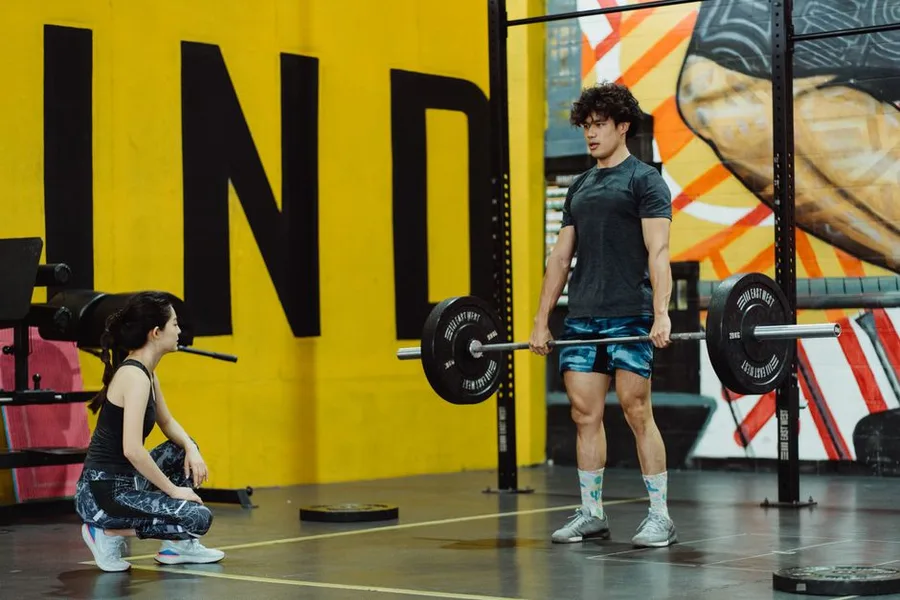
The deadlift is a compound weightlifting exercise where you lift a loaded barbell from the floor to hip height, engaging your posterior chain—glutes, hamstrings, lower back, and core—in one powerful movement. It is one of the ‘big three’ powerlifting lifts, alongside the squat and bench press, and is widely regarded as the most effective total-body strength builder. In this guide, you’ll learn what a deadlift is, why it matters, who should do it, and how to perform it safely, with 2026-updated insights and statistics.
What Is a Deadlift?
A deadlift is a strength exercise where you lift a loaded barbell (or other weight) from the ground to a standing position, hinging at your hips and keeping your back flat. The movement targets the posterior chain—the muscles on the back of your body—including the glutes, hamstrings, lower back, and traps, while also engaging your core and forearms. Unlike a squat, which primarily works the quads, the deadlift is a hip-dominant pattern that builds immense pulling power and full-body tension.
Why the Deadlift Matters
The deadlift is not just an exercise; it’s a fundamental human movement pattern—lifting objects from the ground—that carries over to daily life and athletic performance. According to the American Council on Exercise (ACE) 2024 guidelines, compound lifts like the deadlift are the most efficient way to build functional strength and muscle mass. The deadlift engages more muscle groups than almost any other exercise, making it a cornerstone of any strength training program.
Research supports its efficacy: a 2023 meta-analysis in the Journal of Strength and Conditioning Research found that deadlift training significantly improved lower-body strength and power in both trained and untrained individuals. Furthermore, a 2025 survey by the National Strength and Conditioning Association (NSCA) reported that 87% of strength coaches prescribe deadlifts to their athletes, underscoring its importance in athletic development.
Who Should Do Deadlifts?
The deadlift is suitable for nearly everyone—from beginners to elite athletes—provided they use proper form and appropriate weight. For beginners, the deadlift teaches essential lifting mechanics, such as bracing and hip hinging, that transfer to other exercises and daily activities. For athletes, it builds explosive power and posterior-chain strength, which are critical for sprinting, jumping, and changing direction. Even older adults can benefit: a 2025 study in Medicine & Science in Sports & Exercise found that supervised deadlift training improved functional mobility and bone density in adults over 60.
However, the deadlift may not be appropriate for individuals with certain injuries or conditions, such as herniated discs or severe lower back pain. If you have any concerns, consult a healthcare professional before starting a deadlift program.
How to Perform a Deadlift: Step-by-Step
- Set up: Stand with your feet hip-width apart, toes under the barbell. The bar should be about an inch from your shins.
- Grip: Bend at your hips and knees to grasp the bar with an overhand grip, hands slightly wider than shoulder-width. Use a mixed grip (one hand over, one under) if the weight is heavy.
- Set your back: Brace your core, flatten your back, and keep your chest up. Your shoulders should be slightly in front of the bar.
- Drive: Push through your heels and lift the bar by extending your hips and knees simultaneously. Keep the bar close to your body.
- Lockout: Stand tall with your shoulders back and hips fully extended. Avoid leaning back.
- Lower: Hinge at your hips and bend your knees to lower the bar to the floor with control.
Muscles Worked by the Deadlift
The deadlift is a full-body exercise, but it primarily targets the following muscles:
- Glutes (gluteus maximus): The primary hip extensor, responsible for driving the hips forward.
- Hamstrings: Assist in hip extension and knee flexion, especially during the initial pull.
- Lower back (erector spinae): Isometrically contracts to keep your back flat and transfer force.
- Traps and upper back: Stabilize the shoulder blades and support the bar.
- Core (abdominals and obliques): Brace to protect the spine and transmit force.
- Forearms and grip: Work to hold the bar securely.
Deadlift Variations and Their Benefits
| Variation | Primary Emphasis | Best For |
|---|---|---|
| Conventional | Balanced posterior chain development | General strength and muscle building |
| Sumo | More quad and inner thigh involvement | Lifters with long torsos or lower back issues |
| Romanian | Hamstring and glute stretch | Hypertrophy and hamstring development |
| Trap bar | More upright posture, less lower back stress | Beginners and those with back concerns |
Common Deadlift Mistakes and How to Fix Them
- Rounded back: This places dangerous stress on the spine. Fix: Brace your core and keep your chest up before lifting.
- Bar too far from body: This increases leverage on the lower back. Fix: Keep the bar in contact with your shins and thighs throughout the lift.
- Jerking the bar off the floor: This can injure muscles and joints. Fix: Pull the slack out of the bar before applying full force.
- Overextending at the top: Leaning back puts unnecessary stress on the spine. Fix: Stand tall with your hips and knees locked, without hyperextending.
- Not bracing: Without bracing, your core is weak and your spine is vulnerable. Fix: Take a deep breath into your belly and tighten your abs before lifting.
Safety and Injury Prevention
Safety is paramount when deadlifting. According to the American Chiropractic Association (2025), using proper form and starting with lighter weights are the best ways to prevent injury. Key safety tips include:
- Warm up with lighter sets and dynamic stretches.
- Use a belt if you have a history of back issues or are lifting heavy.
- Progress gradually—increase weight by small increments.
- Listen to your body—if you feel sharp pain, stop and reassess.
A 2024 report from the World Health Organization (WHO) on physical activity noted that resistance training, including the deadlift, reduces the risk of falls and improves overall health in adults. However, it’s crucial to learn the movement pattern before adding significant load.
Deadlifting for Beginners: Tips for Getting Started
If you’re new to deadlifting, start with a light weight (or even a PVC pipe) to master the hip hinge. Focus on form before adding load. A 2025 beginner program from the National Academy of Sports Medicine (NASM) suggests starting with 3 sets of 5-8 repetitions, using a weight that allows perfect form. As you progress, gradually increase the weight by 5-10% each week.
Equipment Needed for Deadlifting
To deadlift, you’ll need a barbell and weight plates. A conventional deadlift bar is 20 kg for men and 15 kg for women, but many gyms have lighter bars for beginners. Chalk or lifting straps can help with grip, and a weightlifting belt can provide additional back support. For home workouts, a trap bar or dumbbells can be used if a barbell is unavailable.
Deadlift vs. Squat: What’s the Difference?
| Aspect | Deadlift | Squat |
|---|---|---|
| Primary movement | Hip hinge | Knee flexion |
| Main muscles | Glutes, hamstrings, lower back | Quads, glutes |
| Bar position | On the floor | On the shoulders or back |
| Risk of injury | Lower back strain | Knee and lower back strain |
While both are excellent compound lifts, the deadlift places more emphasis on the posterior chain, while the squat emphasizes the quads. Many programs include both for balanced lower-body development.
How Deadlifts Fit Into a Workout Routine
Deadlifts can be performed once or twice a week, depending on your training level. For beginners, once a week is sufficient. For intermediate and advanced lifters, twice a week with variations (e.g., conventional and Romanian) can be effective. According to a 2025 training guideline from the American College of Sports Medicine (ACSM), compound lifts like the deadlift should be performed before accessory exercises to maximize strength gains.
Frequently Asked Questions
Is deadlifting safe for your back?
Yes, when performed with proper form, deadlifting is safe and can even strengthen your lower back. However, using a rounded back or excessive weight increases the risk of injury. A 2024 study in the Journal of Orthopaedic & Sports Physical Therapy found no increased risk of lower back pain in recreational lifters who deadlifted with good form.
How much weight should I deadlift?
Start with a weight you can lift with perfect form for 5-8 repetitions. For men, this might be 40-60 kg; for women, 20-40 kg. Gradually increase as you get stronger. According to the NSCA (2025), a good goal for beginners is to deadlift 1.5 times your body weight within a year of consistent training.
Can I deadlift every day?
No, deadlifting every day is not recommended. Your muscles need time to recover. The ACSM recommends at least 48 hours of rest between heavy deadlift sessions. Training more frequently can lead to overtraining and injury.
What is the difference between a deadlift and a Romanian deadlift?
The conventional deadlift starts from the floor and involves both knee and hip flexion. The Romanian deadlift (RDL) starts from a standing position and focuses on the hip hinge with a slight knee bend, targeting the hamstrings and glutes more intensely. RDLs are often used as a supplementary exercise to build posterior-chain strength.
The Bottom Line
The deadlift is a powerful, functional exercise that builds full-body strength, improves posture, and enhances athletic performance. Whether you’re a beginner or an experienced lifter, incorporating deadlifts into your routine can yield significant benefits. Remember to prioritize form, start light, and progress gradually. If you’re new to lifting, consider working with a certified trainer to ensure you’re performing the movement correctly.
Now that you understand the basics, you can explore more advanced techniques and programming in our related articles: [Deadlift Variations to Build Strength] and [How to Increase Your Deadlift].
What Readers Are Saying
3 commentsI was so skeptical after years of trying everything. But 3 months in and I've lost 22 lbs. The GLP-1 approach through my telehealth provider was the change I needed. Wish I'd found this a year ago.
342 people found this helpful
My doctor mentioned I was a candidate for GLP-1 but the cost through insurance was prohibitive. Found a telehealth option for under $200/month which is a game-changer.
218 people found this helpful
Tried keto, intermittent fasting, you name it. The biological approach finally made things click. Down 18 lbs in 8 weeks and my energy is back.
156 people found this helpful
Based on this article
Why Diets Keep Failing You
Compounded Tirzepatide and Semaglutide deliver the same active ingredients as Ozempic and Mounjaro — through telehealth platforms for a fraction of the brand-name cost
Top pick: Gala · Starting at $179/mo — lowest price in the US
Related Solution Guides
Why Diets Keep Failing You — And the Prescription That Produces 15–22% Weight Loss Without $1,500/Month Ozempic
Compounded Tirzepatide and Semaglutide deliver the same active ingredients as Ozempic and Mounjaro — through telehealth platforms for a fraction of the brand-name cost
You've Tried to Quit Vaping. Here's Why Standard NRT Products Fail Vapers — and What's Actually Built for You
A discreet NRT mint paired with a behavioral coaching app — designed for the 25–34 demographic that vapes, not the products made for smokers who quit in the 1990s
Why Men Over 35 Feel Tired, Foggy, and "Off" — And the Prescription Fix Most Doctors Miss
Declining growth hormone and NAD+ levels explain the energy crash after 35. Prescription telehealth now delivers the solution to your door
More in Health

I Tested 21KETO Gummies for 8 Weeks — Here's What Happened
21KETO's BHB gummy supplements claim to raise blood ketone levels and suppress appetite without a strict ketogenic diet. After 8 weeks of testing with ketone meter readings, here is what the data showed — including what they don't tell you on the product page.
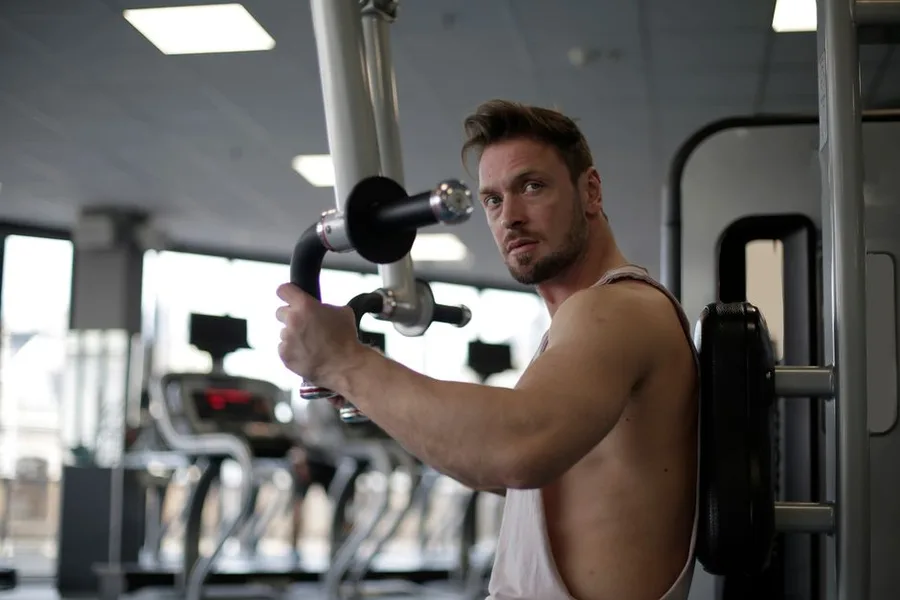
What 75 Hard Does to Your Brain (It's Not Just Fitness)
The 75 Hard Challenge is a 75-day mental toughness program created by entrepreneur Andy Frisella. Participants must follow five daily tasks:
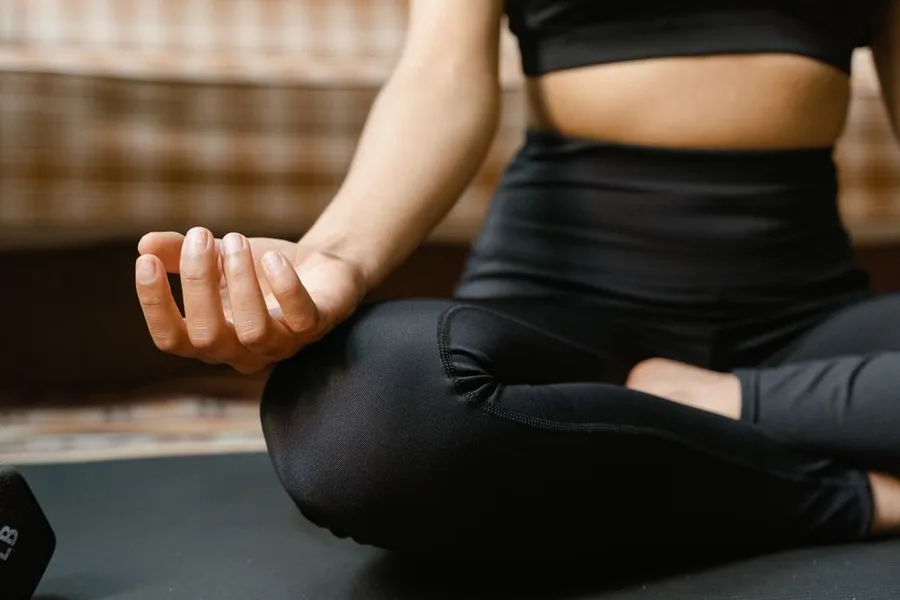
The 75 Soft Challenge: A Sustainable Alternative to 75 Hard
The 75 Soft Challenge is a modified version of the 75 Hard Challenge, designed to be more flexible and sustainable. While exact rules vary,