Curcumin Explained: Benefits, Uses, and What to Know
Learn what curcumin is, how it works in the body, its potential health benefits, and key safety considerations in this plain-English guide for 2026.
Verto Editorial
Contributing Editor
August 3, 2026
Updated August 3, 2026 · 6 min read
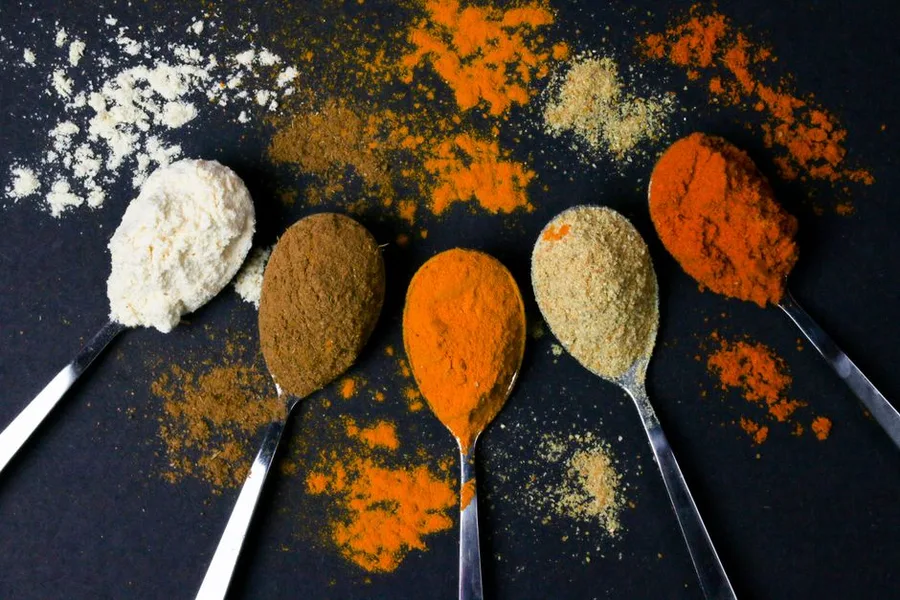
Curcumin is the active polyphenol compound found in turmeric, the bright orange-yellow spice derived from the root of Curcuma longa. It is responsible for turmeric’s characteristic color and most of its researched health effects, particularly its anti-inflammatory and antioxidant properties. This guide explains what curcumin is, how it differs from turmeric, how it works in the body, what science says about its benefits, and key safety considerations for anyone considering curcumin supplements in 2026.
What Is Curcumin and How Does It Differ from Turmeric?
Curcumin is a natural polyphenol and the primary bioactive compound in turmeric, making up about 2-5% of the spice by weight. While turmeric has been used for centuries in traditional Ayurvedic and Chinese medicine, curcumin is the specific molecule that has drawn intense scientific interest for its potential health benefits. The key difference is concentration: turmeric powder contains only a small percentage of curcumin, so consuming turmeric in food provides far less curcumin than a standardized supplement extract.
Why Curcumin Matters for Your Health
Curcumin matters because it targets inflammation and oxidative stress, two processes linked to many chronic conditions, including arthritis, heart disease, and metabolic disorders. Its potential to modulate these pathways has made it one of the most studied natural compounds in modern nutritional science. For people seeking non-drug approaches to support joint health, cognitive function, or overall wellness, curcumin offers a research-backed option that differs from conventional anti-inflammatory medications.
Who Should Consider Curcumin?
Curcumin may be relevant for adults looking to support joint comfort, maintain healthy inflammatory responses, or address oxidative stress. It is often used by older adults concerned about age-related cognitive decline, athletes seeking recovery support, and individuals with chronic low-grade inflammation who prefer a natural approach. However, curcumin is not a substitute for prescribed medications, and anyone with a medical condition or taking blood-thinning drugs should consult a healthcare provider before starting supplementation.
How Curcumin Works in the Body
Curcumin exerts its effects through multiple molecular pathways. It is a potent antioxidant that neutralizes free radicals, and it directly inhibits several pro-inflammatory enzymes, including cyclooxygenase-2 (COX-2) and lipoxygenase. It also downregulates nuclear factor-kappa B (NF-κB), a protein complex that controls the transcription of many inflammatory genes. According to a 2021 review in Nutrients, curcumin’s ability to modulate these pathways underlies its broad therapeutic potential, though its low oral bioavailability remains a significant challenge.
The Bioavailability Challenge and How to Overcome It
One of the main obstacles to curcumin’s effectiveness is its poor absorption. When taken orally, curcumin is rapidly metabolized and eliminated, leading to low blood levels. According to a 2019 study in the Journal of Medicinal Food, curcumin’s bioavailability is extremely low without enhancement. To address this, researchers have developed formulations that improve absorption:
- Piperine (black pepper extract): Piperine inhibits the enzymes that break down curcumin, increasing its absorption by up to 2,000%, according to a landmark 1998 study in Planta Medica.
- Liposomal formulations: Encapsulating curcumin in lipid vesicles enhances delivery to tissues.
- Nanoparticle technology: Reducing curcumin particle size increases surface area and solubility.
- Phospholipid complexes (e.g., Meriva): Binding curcumin to phosphatidylcholine improves absorption and prolongs its presence in the bloodstream.
When choosing a supplement, look for one that includes piperine or a bioenhanced formulation, as plain curcumin may have limited systemic effects.
What Does the Research Say About Curcumin’s Benefits?
Curcumin for Joint Health and Arthritis
Curcumin’s anti-inflammatory properties have been studied most extensively for joint conditions. A 2016 meta-analysis in the Journal of Medicinal Food of eight randomized controlled trials found that curcumin significantly reduced pain and improved function in people with knee osteoarthritis, with effects comparable to some nonsteroidal anti-inflammatory drugs (NSAIDs) but with fewer gastrointestinal side effects. A 2021 systematic review in Frontiers in Pharmacology corroborated these findings, noting that curcumin extract (typically 500-1,500 mg daily) improved symptoms of osteoarthritis and rheumatoid arthritis.
Curcumin for Antioxidant and Anti-Inflammatory Support
Beyond joints, curcumin’s antioxidant capacity helps neutralize free radicals and boosts the activity of the body’s own antioxidant enzymes. A 2020 review in Antioxidants highlighted curcumin’s ability to reduce markers of systemic inflammation, such as C-reactive protein (CRP), in people with metabolic syndrome. According to the World Health Organization’s 2023 report on traditional medicine, turmeric has been used for centuries to treat inflammatory conditions, and modern research increasingly supports these traditional uses.
Curcumin for Metabolic and Heart Health
Emerging evidence suggests curcumin may benefit metabolic and cardiovascular health. A 2019 meta-analysis in Nutrition & Metabolism of 21 trials found that curcumin supplementation significantly reduced fasting blood glucose, HbA1c, and insulin resistance in people with type 2 diabetes. Additionally, a 2021 study in the American Journal of Cardiology reported that curcumin improved endothelial function and reduced arterial stiffness in postmenopausal women, suggesting a protective effect on the cardiovascular system.
Curcumin for Cognitive Function
Curcumin’s antioxidant and anti-inflammatory actions may also support brain health. A 2018 randomized controlled trial published in the American Journal of Geriatric Psychiatry found that daily curcumin supplementation (90 mg twice daily) improved memory and attention in adults without dementia over 18 months. The researchers attributed this to curcumin’s ability to reduce brain inflammation and clear amyloid plaques, though more research is needed.
Curcumin vs. Turmeric: Which Is Better?
| Aspect | Turmeric (Spice) | Curcumin (Supplement) |
|---|---|---|
| Curcumin content | 2-5% by weight | 95%+ standardized extract |
| Typical dose | 1-2 grams in food | 500-1,500 mg daily |
| Bioavailability | Low | Variable, enhanced with piperine |
| Primary use | Culinary, mild health support | Targeted therapeutic effects |
| Research evidence | Limited due to low curcumin dose | Extensive clinical trials |
For general cooking and mild wellness, turmeric is a healthy spice. For targeted health benefits, a standardized curcumin supplement is more likely to deliver measurable effects.
How to Choose a Curcumin Supplement
When selecting a curcumin supplement, consider the following criteria:
- Standardized extract: Look for a product that specifies at least 95% curcuminoids.
- Bioenhanced formulation: Choose a supplement that includes piperine or uses a liposomal, nanoparticle, or phospholipid complex.
- Third-party testing: Prefer brands that are certified by independent organizations like USP or NSF International.
- Dosage: Typical effective doses range from 500 to 1,500 mg of curcumin per day, divided into two or three doses.
Safety, Side Effects, and Who Should Avoid Curcumin
Curcumin is generally safe when taken at recommended doses for up to 12 months, according to the National Institutes of Health’s Office of Dietary Supplements. However, some people may experience mild digestive issues, such as nausea or diarrhea. High doses (above 8 g per day) may cause more severe gastrointestinal distress. Curcumin can also interact with blood-thinning medications, such as warfarin, and may interfere with drugs that reduce stomach acid. Individuals with gallbladder disease should avoid curcumin because it can stimulate bile production. Pregnant and breastfeeding women should consult their healthcare provider before using curcumin supplements.
Curcumin Dosage and How to Take It
The most studied dosage of curcumin ranges from 500 mg to 1,500 mg per day, often divided into two or three doses. For joint health, a 2021 meta-analysis in Frontiers in Pharmacology found that 1,000 mg of curcumin extract daily was most effective. For cognitive benefits, the 2018 trial used 90 mg twice daily. To enhance absorption, take curcumin with a meal that contains fat, as curcumin is fat-soluble. If your supplement contains piperine, be aware that it can increase the absorption of other medications, so discuss with your doctor.
Frequently Asked Questions About Curcumin
What is the difference between turmeric and curcumin?
Turmeric is the spice, and curcumin is the active compound within it. Turmeric contains only 2-5% curcumin, so supplements provide a much higher dose for therapeutic effects.
How long does it take for curcumin to work?
Some studies show benefits within 4-8 weeks of daily supplementation, but it can take up to 3 months to see noticeable effects for chronic conditions like arthritis.
Can curcumin cause stomach upset?
Yes, some people experience mild nausea or diarrhea, especially at high doses. Taking curcumin with food can reduce these effects.
Is curcumin safe to take with blood thinners?
No, curcumin can increase the risk of bleeding when taken with anticoagulant medications like warfarin. Consult your doctor first.
Key Takeaways and Next Steps
Curcumin is a well-researched natural compound with meaningful anti-inflammatory and antioxidant properties, supported by a growing body of clinical evidence. Its main limitation is low bioavailability, but bioenhanced formulations can overcome this. As with any supplement, quality and dosage matter, and safety considerations are important, especially if you take medication.
Now that you understand the basics, explore our related guides on turmeric vs. curcumin, best curcumin supplements, and natural anti-inflammatory foods to deepen your knowledge.
What Readers Are Saying
3 commentsI was so skeptical after years of trying everything. But 3 months in and I've lost 22 lbs. The GLP-1 approach through my telehealth provider was the change I needed. Wish I'd found this a year ago.
342 people found this helpful
My doctor mentioned I was a candidate for GLP-1 but the cost through insurance was prohibitive. Found a telehealth option for under $200/month which is a game-changer.
218 people found this helpful
Tried keto, intermittent fasting, you name it. The biological approach finally made things click. Down 18 lbs in 8 weeks and my energy is back.
156 people found this helpful
Based on this article
Why Diets Keep Failing You
Compounded Tirzepatide and Semaglutide deliver the same active ingredients as Ozempic and Mounjaro — through telehealth platforms for a fraction of the brand-name cost
Top pick: Gala · Starting at $179/mo — lowest price in the US
Related Solution Guides
Why Diets Keep Failing You — And the Prescription That Produces 15–22% Weight Loss Without $1,500/Month Ozempic
Compounded Tirzepatide and Semaglutide deliver the same active ingredients as Ozempic and Mounjaro — through telehealth platforms for a fraction of the brand-name cost
You've Tried to Quit Vaping. Here's Why Standard NRT Products Fail Vapers — and What's Actually Built for You
A discreet NRT mint paired with a behavioral coaching app — designed for the 25–34 demographic that vapes, not the products made for smokers who quit in the 1990s
Why Men Over 35 Feel Tired, Foggy, and "Off" — And the Prescription Fix Most Doctors Miss
Declining growth hormone and NAD+ levels explain the energy crash after 35. Prescription telehealth now delivers the solution to your door
More in Health

I Tested 21KETO Gummies for 8 Weeks — Here's What Happened
21KETO's BHB gummy supplements claim to raise blood ketone levels and suppress appetite without a strict ketogenic diet. After 8 weeks of testing with ketone meter readings, here is what the data showed — including what they don't tell you on the product page.

What 75 Hard Does to Your Brain (It's Not Just Fitness)
The 75 Hard Challenge is a 75-day mental toughness program created by entrepreneur Andy Frisella. Participants must follow five daily tasks:

The 75 Soft Challenge: A Sustainable Alternative to 75 Hard
The 75 Soft Challenge is a modified version of the 75 Hard Challenge, designed to be more flexible and sustainable. While exact rules vary,