Cracked Tooth Syndrome Explained: Causes, Symptoms & Treatment
Learn what cracked tooth syndrome is, its common causes, symptoms, and treatment options. A plain-English guide for 2026 to help you understand this dental condition.
Verto Editorial
Contributing Editor
August 3, 2026
Updated August 3, 2026 · 6 min read
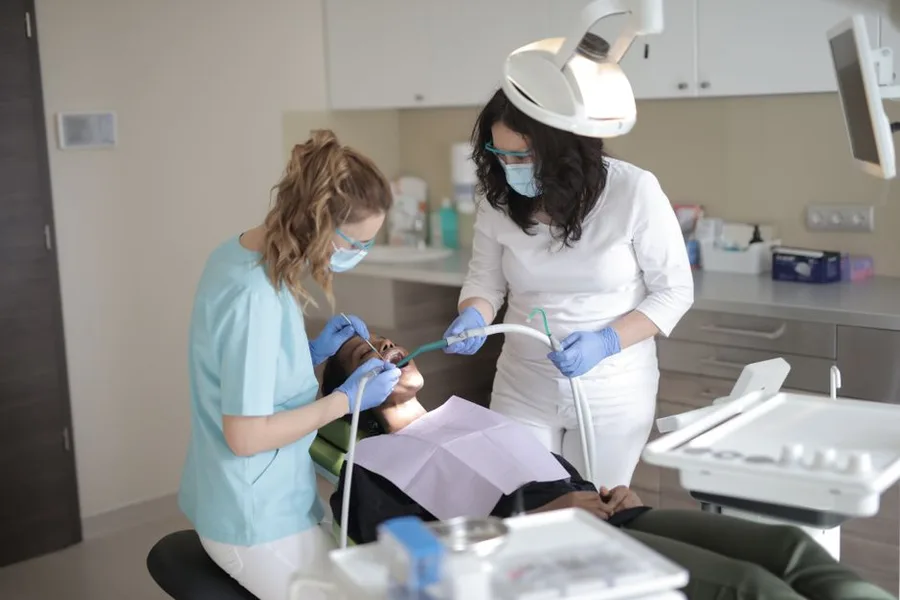
Cracked tooth syndrome is a dental condition where a tooth has a crack that is too small to see on X-rays but causes sharp pain when you bite or chew, especially when you release the bite. This guide explains the causes, symptoms, and treatment options for cracked tooth syndrome, helping you understand what to expect if you suspect you have this condition. It is written for anyone experiencing tooth pain who wants a clear, evidence-based overview before consulting a dentist.
What is cracked tooth syndrome?
Cracked tooth syndrome is a condition characterized by an incomplete fracture of a tooth, often invisible to the naked eye and not detectable on standard dental X-rays. According to the American Association of Endodontists, it is most common in lower molars and can cause intermittent, sharp pain when chewing. The crack may extend from the chewing surface toward the root, and if left untreated, it can lead to more severe damage, including pulp exposure and tooth loss. Early diagnosis is crucial because treatment success depends on the crack’s extent and location.
Why does cracked tooth syndrome matter?
Cracked tooth syndrome matters because it is a common cause of tooth pain that is often misdiagnosed, leading to unnecessary treatments or delayed care. According to the Journal of the American Dental Association, cracked teeth are the third leading cause of tooth loss after decay and periodontal disease. If you experience sharp pain when biting, especially on a specific tooth, identifying it early can save the tooth. Without treatment, the crack can worsen, leading to infection, abscess, or the need for extraction. Understanding the condition empowers you to seek appropriate care promptly.
Who is this guide for?
This guide is for anyone who experiences unexplained tooth pain, especially when chewing, and wants to understand the possible causes. It is also for individuals who have been told they might have cracked tooth syndrome and want to learn more about symptoms, diagnosis, and treatment. If you are a dental patient, a caregiver, or simply someone researching dental health, this guide provides clear, plain-English information to help you have informed conversations with your dentist.
What causes cracked tooth syndrome?
Cracked tooth syndrome is caused by a physical stress on the tooth that leads to a fracture. Common causes include:
- Bruxism (teeth grinding or clenching), which puts excessive pressure on teeth, especially during sleep.
- Chewing hard foods such as ice, nuts, or hard candies.
- Sudden temperature changes in the mouth, like eating hot food then drinking cold water.
- Large fillings that weaken the tooth structure.
- Trauma to the face or mouth, such as a sports injury or a fall.
- Age-related wear — teeth naturally become more brittle over time, making them more susceptible to cracks.
According to the American Dental Association, teeth with large restorations are more prone to cracking because the filling does not flex with the tooth, concentrating stress on the remaining tooth structure.
What are the symptoms of cracked tooth syndrome?
Symptoms of cracked tooth syndrome can vary, but the most common are:
- Sharp pain when biting or chewing, especially when you release the bite (the pressure on the crack causes it to open, then close, irritating the pulp).
- Sensitivity to temperature, particularly to cold foods and drinks.
- Pain that comes and goes — you may not feel it all the time.
- Pain when eating certain foods that are sticky or hard.
- No visible signs — the crack is often invisible to the naked eye and may not appear on X-rays.
According to the British Dental Journal, the pain is often intermittent, which makes diagnosis challenging. If you experience any of these symptoms, especially sharp pain on a specific tooth, it is advisable to see a dentist for a thorough examination.
How is cracked tooth syndrome diagnosed?
Diagnosing cracked tooth syndrome can be difficult because cracks are often invisible. Dentists use several methods:
- Visual examination with magnification.
- Biting pressure tests — you may be asked to bite on a special tool or a cotton roll to see if it triggers pain.
- Transillumination — shining a light through the tooth to reveal cracks.
- Staining — using a dye to make the crack more visible.
- Periodontal probing to check for a crack extending into the gum line.
According to the American Association of Endodontists, if a crack is suspected but not visible, the dentist may use a cone-beam computed tomography (CBCT) scan to get a 3D image of the tooth. Early diagnosis is critical because the treatment success rate drops significantly if the crack extends into the pulp or below the gum line.
What are the treatment options for cracked tooth syndrome?
Treatment depends on the crack’s location, extent, and whether the pulp is affected. Options include:
- Bonding or filling — for superficial cracks, a tooth-colored resin can be applied to seal the crack.
- Crown — a crown covers the tooth, protecting it from further stress and holding the crack together. According to the Journal of Endodontics, crowns are the most common treatment for cracked teeth that do not involve the pulp.
- Root canal — if the crack extends into the pulp, a root canal may be necessary to remove the damaged pulp and prevent infection.
- Extraction — if the crack extends below the gum line or is too severe to save, the tooth may need to be removed.
According to the American Association of Endodontists, early treatment with a crown has a high success rate, but if the crack extends into the pulp or below the gum line, the tooth may be lost.
What is the prognosis for cracked tooth syndrome?
The prognosis for cracked tooth syndrome varies. If the crack is limited to the crown and is treated early with a crown, the tooth can often be saved and function normally. However, if the crack extends into the pulp or below the gum line, the prognosis is poor, and the tooth may need to be extracted. According to a study in the International Endodontic Journal, the success rate for root canal treatment on cracked teeth is around 80% when the crack does not extend below the gum line. Early diagnosis and treatment are key to a favorable outcome.
Can cracked tooth syndrome be prevented?
While not all cracks can be prevented, you can reduce your risk by:
- Avoiding chewing on hard objects like ice, pens, or hard candies.
- Wearing a mouthguard if you grind your teeth at night or play contact sports.
- Maintaining good oral hygiene to keep teeth strong.
- Regular dental check-ups to detect early signs of wear or damage.
According to the American Dental Association, wearing a nightguard for bruxism can significantly reduce the risk of cracked teeth.
When should you see a dentist?
You should see a dentist if you experience any sharp pain when chewing, especially if it is localized to one tooth, or if you have sensitivity to temperature that persists. Early evaluation can prevent further damage. If you have a cracked tooth, prompt treatment can save it.
How does cracked tooth syndrome differ from other dental conditions?
Cracked tooth syndrome is often confused with other conditions like tooth decay, gum disease, or sinus issues. The key difference is the specific pain on biting and releasing, which is characteristic of a cracked tooth. Unlike decay, which causes continuous pain, cracked tooth syndrome pain is intermittent. According to the American Dental Association, a thorough dental exam is necessary to differentiate it from other causes.
What are the costs of treating cracked tooth syndrome?
Treatment costs vary depending on the procedure and location. On average, a dental crown costs between $800 and $1,500 per tooth, while a root canal can cost between $700 and $1,500 for a molar, according to the American Dental Association’s 2024 survey of dental fees. Extraction is generally less expensive, ranging from $150 to $300 for a simple extraction. Many dental insurance plans cover a portion of these procedures, but you should check with your provider.
What are the risks of ignoring cracked tooth syndrome?
Ignoring cracked tooth syndrome can lead to the crack worsening, allowing bacteria to enter the pulp, causing infection, abscess, or even tooth loss. According to the Journal of the American Dental Association, untreated cracked teeth are a leading cause of tooth extraction. Early treatment is essential to avoid more serious complications.
How common is cracked tooth syndrome?
Cracked tooth syndrome is relatively common. According to a study in the Journal of Endodontics, cracked teeth account for up to 10% of dental visits for tooth pain. It is most prevalent in adults over 50, but it can occur at any age.
What are the latest advances in treating cracked tooth syndrome?
Recent advances include the use of CBCT imaging for better diagnosis, and the development of adhesive materials that can bond cracks more effectively. According to a 2025 review in the Journal of Dental Research, the use of fiber-reinforced composites in crowns has improved the strength and durability of restorations for cracked teeth.
Frequently Asked Questions
Can a cracked tooth heal on its own?
No, a cracked tooth cannot heal on its own. Unlike bone, tooth enamel does not have the ability to regenerate. Without treatment, the crack will likely worsen, leading to more pain and potential tooth loss. See a dentist for proper management.
Is cracked tooth syndrome painful?
Yes, it often causes sharp pain when biting or chewing, especially when releasing the bite. The pain may be intermittent and can be triggered by temperature changes. Some people may not feel pain at all, but the condition still requires treatment.
Can a cracked tooth be saved?
Yes, if the crack is detected early and does not extend below the gum line or into the pulp, the tooth can often be saved with a crown or bonding. If the pulp is affected, a root canal may be needed. The earlier you seek treatment, the better the chance of saving the tooth.
How fast does a cracked tooth worsen?
The speed at which a crack worsens varies. Some cracks remain stable for years, while others progress quickly, especially if you continue to chew on the affected tooth. If you experience pain, it is best to see a dentist promptly to prevent further damage.
Now that you understand the basics
Now that you understand the basics of cracked tooth syndrome, you can take the next step. If you suspect you have a cracked tooth, schedule an appointment with your dentist for an evaluation. For more information on related topics, explore our guides on tooth pain, dental crowns, and root canal treatment.
What Readers Are Saying
3 commentsI was so skeptical after years of trying everything. But 3 months in and I've lost 22 lbs. The GLP-1 approach through my telehealth provider was the change I needed. Wish I'd found this a year ago.
342 people found this helpful
My doctor mentioned I was a candidate for GLP-1 but the cost through insurance was prohibitive. Found a telehealth option for under $200/month which is a game-changer.
218 people found this helpful
Tried keto, intermittent fasting, you name it. The biological approach finally made things click. Down 18 lbs in 8 weeks and my energy is back.
156 people found this helpful
Based on this article
Why Diets Keep Failing You
Compounded Tirzepatide and Semaglutide deliver the same active ingredients as Ozempic and Mounjaro — through telehealth platforms for a fraction of the brand-name cost
Top pick: Gala · Starting at $179/mo — lowest price in the US
Related Solution Guides
Why Diets Keep Failing You — And the Prescription That Produces 15–22% Weight Loss Without $1,500/Month Ozempic
Compounded Tirzepatide and Semaglutide deliver the same active ingredients as Ozempic and Mounjaro — through telehealth platforms for a fraction of the brand-name cost
You've Tried to Quit Vaping. Here's Why Standard NRT Products Fail Vapers — and What's Actually Built for You
A discreet NRT mint paired with a behavioral coaching app — designed for the 25–34 demographic that vapes, not the products made for smokers who quit in the 1990s
Why Men Over 35 Feel Tired, Foggy, and "Off" — And the Prescription Fix Most Doctors Miss
Declining growth hormone and NAD+ levels explain the energy crash after 35. Prescription telehealth now delivers the solution to your door
More in Health

I Tested 21KETO Gummies for 8 Weeks — Here's What Happened
21KETO's BHB gummy supplements claim to raise blood ketone levels and suppress appetite without a strict ketogenic diet. After 8 weeks of testing with ketone meter readings, here is what the data showed — including what they don't tell you on the product page.

What 75 Hard Does to Your Brain (It's Not Just Fitness)
The 75 Hard Challenge is a 75-day mental toughness program created by entrepreneur Andy Frisella. Participants must follow five daily tasks:

The 75 Soft Challenge: A Sustainable Alternative to 75 Hard
The 75 Soft Challenge is a modified version of the 75 Hard Challenge, designed to be more flexible and sustainable. While exact rules vary,