Clean Beauty Explained: What It Means in 2026
Discover what clean beauty really means in 2026, including key ingredients to avoid, certifications to trust, and how to build a non-toxic routine.
Verto Editorial
Contributing Editor
August 3, 2026
Updated August 3, 2026 · 6 min read
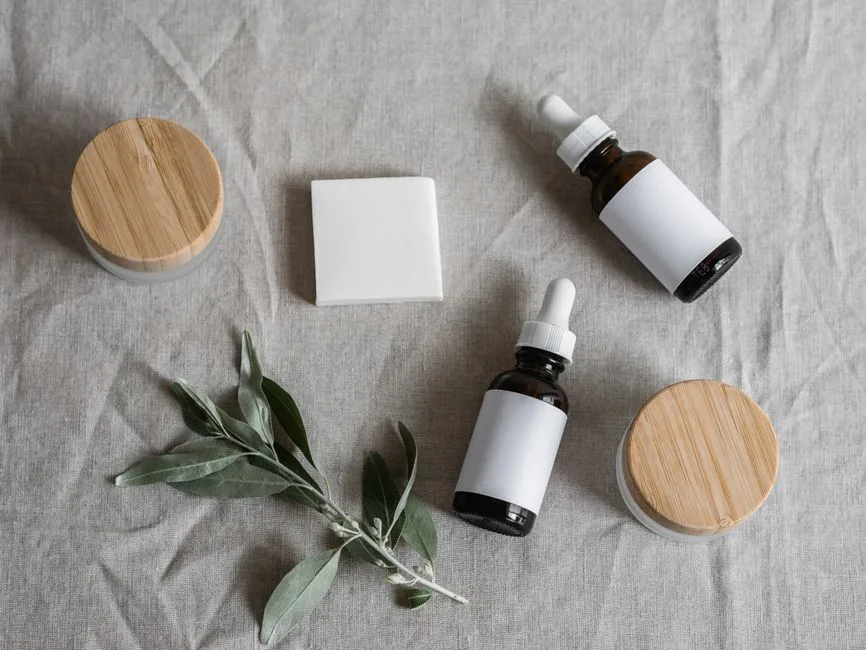
Clean beauty is a movement and marketing term that describes personal care products formulated without ingredients believed to be harmful to human health or the environment. In 2026, there is no single legal definition, so the term is shaped by consumer expectations, retailer standards, and third-party certifications. This guide explains what clean beauty means today, why it matters, who it’s for, and how to evaluate products with confidence.
What Is Clean Beauty?
Clean beauty refers to cosmetics and personal care products made without ingredients that are suspected or known to cause health risks, such as certain parabens, phthalates, and synthetic fragrances. Unlike “natural” or “organic,” clean beauty focuses on ingredient safety rather than source, so a product can be clean even if it contains synthetic compounds. According to the Environmental Working Group’s 2025 Skin Deep database, over 1,000 personal care products meet their criteria for low hazard, demonstrating that clean options are widely available.
Why Clean Beauty Matters in 2026
The importance of clean beauty has grown as research links everyday chemical exposures to health concerns. According to the Campaign for Safe Cosmetics 2025 report, the average adult uses nine personal care products daily, exposing themselves to over 120 unique chemical ingredients. While not all of these are harmful, some, like formaldehyde-releasing preservatives, are classified as carcinogens by the International Agency for Research on Cancer. Clean beauty aims to minimize these potential risks by avoiding questionable ingredients.
Additionally, regulatory gaps persist: the U.S. Food and Drug Administration (FDA) has not required pre-market safety testing for cosmetics since the Federal Food, Drug, and Cosmetic Act of 1938. The Modernization of Cosmetics Regulation Act of 2022 (MoCRA) is gradually changing this, but full implementation is still underway in 2026. This means consumers cannot rely solely on government oversight, making clean beauty a proactive choice.
Who Is Clean Beauty For?
Clean beauty is for anyone who uses personal care products and wants to reduce their exposure to potentially harmful chemicals. It is particularly relevant for:
- People with sensitive skin or allergies: Avoiding synthetic fragrances and harsh preservatives can reduce irritation.
- Pregnant individuals and parents: Many choose clean products to limit fetal and infant exposure to chemicals.
- Environmentally conscious consumers: Clean beauty often aligns with sustainable practices, such as biodegradable packaging and cruelty-free testing.
- Those with chronic health conditions: Some individuals seek to minimize chemical burdens as part of a broader health management plan.
Even if you have no specific concerns, adopting a clean beauty routine can be a simple way to make more informed product choices.
How to Identify Clean Beauty Products
Identifying clean beauty products requires looking beyond marketing claims. Here are practical steps:
- Read the ingredient list: Look for recognizable ingredients and be wary of long, unpronounceable names. However, not all synthetic ingredients are harmful.
- Check for certifications: Third-party seals like EWG Verified, USDA Organic, and COSMOS Organic indicate stricter standards. According to the EWG’s 2025 verification program, products with their seal have passed a rigorous review for ingredient hazards.
- Use reliable databases: The EWG Skin Deep database and the Think Dirty app provide hazard ratings for thousands of products.
- Understand “fragrance”: Under U.S. law, “fragrance” can hide dozens of undisclosed chemicals. Choose products labeled “fragrance-free” or “unscented” to avoid this loophole.
- Beware of greenwashing: Terms like “natural” and “eco-friendly” are not regulated. Rely on certifications and ingredient lists rather than front-of-package claims.
What Ingredients Do Clean Beauty Products Avoid?
While there is no universal list, most clean beauty standards prohibit or restrict the following ingredients:
| Ingredient | Common Use | Potential Concern |
|---|---|---|
| Parabens (e.g., methylparaben) | Preservatives | Endocrine disruption; linked to reproductive issues |
| Phthalates (e.g., DEP, DBP) | Fragrance fixatives | Endocrine disruption; reproductive toxicity |
| Sulfates (SLS, SLES) | Foaming agents | Skin irritation; contamination with 1,4-dioxane |
| Formaldehyde releasers (e.g., DMDM hydantoin) | Preservatives | Carcinogen; skin sensitizer |
| Synthetic fragrances | Scent | Allergens; undisclosed chemicals |
| Oxybenzone | UV filter | Endocrine disruption; coral reef toxicity |
| Triclosan | Antibacterial | Endocrine disruption; antibiotic resistance |
| Hydroquinone | Skin lightener | Carcinogen; skin irritation |
This table is based on standards from the EWG, the Campaign for Safe Cosmetics, and the European Union’s cosmetics regulation, which bans or restricts over 1,300 ingredients as of 2025.
Clean Beauty vs. Natural vs. Organic: What’s the Difference?
Consumers often confuse these terms. Here’s a quick comparison:
| Term | Definition | Key Focus |
|---|---|---|
| Clean | No ingredients linked to health or environmental harm | Ingredient safety |
| Natural | Ingredients derived from plants, minerals, or animals | Ingredient source |
| Organic | Ingredients grown without synthetic pesticides or fertilizers | Farming practices |
A product can be clean but not natural (e.g., contains safe synthetic preservatives), natural but not clean (e.g., contains natural but allergenic essential oils), or organic but not clean (e.g., contains organic but irritating ingredients). For most consumers, clean is the most relevant criterion because it directly addresses safety.
Common Misconceptions About Clean Beauty
- Misconception: Clean beauty is a marketing gimmick. While some brands misuse the term, the underlying concern is valid. The EWG’s 2025 report found that 1 in 5 personal care products contains ingredients linked to cancer or reproductive harm.
- Misconception: Clean beauty is always natural. Clean products can contain safe synthetics; natural products can contain harmful natural toxins like lead or arsenic.
- Misconception: Clean beauty is not effective. Many clean formulas perform as well as conventional ones. For example, zinc oxide sunscreens are clean and offer broad-spectrum protection.
- Misconception: Clean beauty is too expensive. While some premium brands are costly, many affordable options exist, including drugstore lines and DIY recipes.
How to Build a Clean Beauty Routine
Start small and prioritize the products that stay on your skin the longest, such as moisturizers, sunscreens, and lip products.
- Switch your skincare essentials first: Replace your daily moisturizer and cleanser with clean alternatives.
- Choose a clean sunscreen: Look for mineral formulas with zinc oxide or titanium dioxide.
- Simplify your makeup: Focus on foundation, lipstick, and mascara, which are worn for hours.
- Check your haircare: Shampoos and conditioners can contain sulfates and silicones that may be irritating.
- Read labels every time: Formulations change, so re-check ingredient lists regularly.
The Future of Clean Beauty
The clean beauty market is projected to grow from $8.4 billion in 2024 to $14.5 billion by 2030, according to a 2025 report by Grand View Research. This growth is driven by consumer demand for transparency and safer ingredients. In response, more brands are adopting “clean” standards, and regulations like MoCRA are pushing for stricter safety assessments. As scientific understanding evolves, the definition of clean will likely become more precise, benefiting both consumers and the environment.
Now That You Understand the Basics
You now know what clean beauty is, why it matters, and how to identify products that align with its principles. To deepen your knowledge, explore our guides on non-toxic skincare ingredients and how to read cosmetic labels. These resources will help you make even more informed choices for your health and well-being.
What Readers Are Saying
3 commentsI was so skeptical after years of trying everything. But 3 months in and I've lost 22 lbs. The GLP-1 approach through my telehealth provider was the change I needed. Wish I'd found this a year ago.
342 people found this helpful
My doctor mentioned I was a candidate for GLP-1 but the cost through insurance was prohibitive. Found a telehealth option for under $200/month which is a game-changer.
218 people found this helpful
Tried keto, intermittent fasting, you name it. The biological approach finally made things click. Down 18 lbs in 8 weeks and my energy is back.
156 people found this helpful
Based on this article
Why Diets Keep Failing You
Compounded Tirzepatide and Semaglutide deliver the same active ingredients as Ozempic and Mounjaro — through telehealth platforms for a fraction of the brand-name cost
Top pick: Gala · Starting at $179/mo — lowest price in the US
Related Solution Guides
Why Diets Keep Failing You — And the Prescription That Produces 15–22% Weight Loss Without $1,500/Month Ozempic
Compounded Tirzepatide and Semaglutide deliver the same active ingredients as Ozempic and Mounjaro — through telehealth platforms for a fraction of the brand-name cost
You've Tried to Quit Vaping. Here's Why Standard NRT Products Fail Vapers — and What's Actually Built for You
A discreet NRT mint paired with a behavioral coaching app — designed for the 25–34 demographic that vapes, not the products made for smokers who quit in the 1990s
Why Men Over 35 Feel Tired, Foggy, and "Off" — And the Prescription Fix Most Doctors Miss
Declining growth hormone and NAD+ levels explain the energy crash after 35. Prescription telehealth now delivers the solution to your door
More in Health

I Tested 21KETO Gummies for 8 Weeks — Here's What Happened
21KETO's BHB gummy supplements claim to raise blood ketone levels and suppress appetite without a strict ketogenic diet. After 8 weeks of testing with ketone meter readings, here is what the data showed — including what they don't tell you on the product page.

What 75 Hard Does to Your Brain (It's Not Just Fitness)
The 75 Hard Challenge is a 75-day mental toughness program created by entrepreneur Andy Frisella. Participants must follow five daily tasks:

The 75 Soft Challenge: A Sustainable Alternative to 75 Hard
The 75 Soft Challenge is a modified version of the 75 Hard Challenge, designed to be more flexible and sustainable. While exact rules vary,