Chest Pain Explained: Causes, Types, and When to Seek Help
Understand chest pain: common causes, types, and when it's an emergency. This plain-English guide helps you recognize symptoms and decide your next steps.
Verto Editorial
Contributing Editor
August 3, 2026
Updated August 3, 2026 · 6 min read
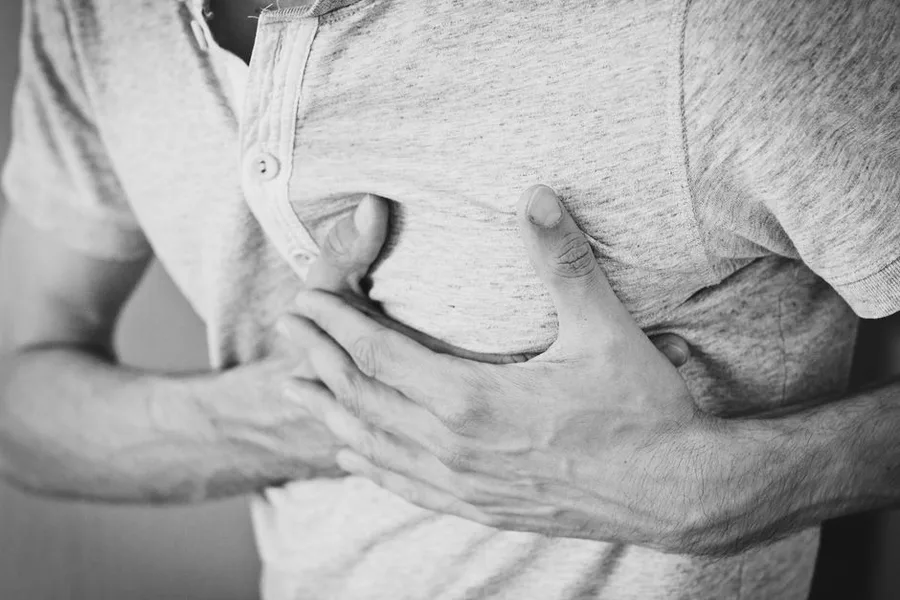
Chest pain is any discomfort or pain that occurs in the area between your neck and upper abdomen. It can range from a sharp, stabbing sensation to a dull ache, and it may be a sign of a heart problem or a less serious condition like heartburn or muscle strain. Because chest pain can signal a life-threatening emergency, it’s crucial to know when to seek immediate medical help. This guide explains the common causes, types, and what to do if you or someone else experiences chest pain.
What Is Chest Pain?
Chest pain is a symptom, not a disease itself. It refers to any pain, pressure, tightness, or discomfort felt in the chest area, which includes the heart, lungs, esophagus, muscles, ribs, and other structures. The pain can originate from any of these organs or tissues, and it can vary widely in intensity, duration, and quality. According to the American Heart Association, chest pain is a common reason for emergency department visits in the United States, accounting for over 7 million visits annually. It is important to note that chest pain is not always related to the heart; it can be caused by conditions affecting the lungs, digestive system, or musculoskeletal system.
Why Chest Pain Matters
Chest pain is a significant symptom because it can be the first sign of a heart attack, which requires immediate medical intervention. The Centers for Disease Control and Prevention (CDC) reports that heart disease is the leading cause of death in the United States, and chest pain is a primary warning sign. Recognizing the characteristics of cardiac chest pain—such as pressure, squeezing, or fullness in the center of the chest that lasts more than a few minutes or goes away and comes back—can be lifesaving. However, not all chest pain is cardiac; many people experience chest pain from conditions like gastroesophageal reflux disease (GERD), which affects approximately 20% of the U.S. population, according to the National Institute of Diabetes and Digestive and Kidney Diseases. Understanding the potential causes helps individuals seek appropriate care promptly.
Who Is This For?
This guide is for anyone who has experienced chest pain, knows someone who has, or wants to understand the condition better. It is particularly useful for individuals who are unsure whether their chest pain is an emergency, those with risk factors for heart disease (such as high blood pressure, high cholesterol, smoking, or a family history), and people who have been diagnosed with conditions that can cause chest pain, like GERD or asthma. Caregivers and family members may also benefit from understanding what to do when a loved one reports chest pain. This information is educational and not a substitute for professional medical advice, but it can help you make informed decisions about seeking care.
Common Causes of Chest Pain
Chest pain can stem from many different sources. Here are the most common causes, categorized by the affected system.
Heart-Related Causes
Heart-related causes are the most concerning. They include:
- Heart attack (myocardial infarction): A blockage of blood flow to the heart muscle, often described as pressure, squeezing, or fullness in the chest. According to the American Heart Association, about 805,000 Americans have a heart attack each year.
- Angina: Chest pain due to reduced blood flow to the heart, often triggered by physical exertion or stress. It typically feels like pressure or squeezing and may radiate to the arms, neck, or jaw.
- Pericarditis: Inflammation of the sac surrounding the heart, causing sharp pain that may worsen when lying down or breathing deeply.
- Aortic dissection: A rare but life-threatening condition where the inner layer of the aorta tears, causing sudden, severe tearing pain in the chest or back.
Lung-Related Causes
Several lung conditions can cause chest pain:
- Pleurisy: Inflammation of the lining around the lungs, causing sharp pain that worsens with breathing or coughing.
- Pulmonary embolism: A blood clot in the lung, which causes sudden sharp chest pain, shortness of breath, and sometimes coughing up blood. This is a medical emergency.
- Pneumonia: An infection that causes inflammation in the air sacs, leading to chest pain, fever, and cough. According to the American Lung Association, pneumonia is a common cause of chest pain.
- Asthma: A chronic condition that narrows airways, causing chest tightness and difficulty breathing.
- Collapsed lung (pneumothorax): Sudden chest pain and shortness of breath when air leaks into the space between the lung and chest wall.
Digestive Causes
Digestive issues are a frequent source of chest pain:
- Gastroesophageal reflux disease (GERD): Stomach acid flows back into the esophagus, causing a burning sensation (heartburn) behind the breastbone. The National Institute of Diabetes and Digestive and Kidney Diseases estimates that GERD affects about 20% of the U.S. population.
- Esophageal spasms: Abnormal contractions of the esophagus that can mimic heart pain.
- Gallbladder disease: Gallstones or inflammation of the gallbladder can cause pain that radiates to the chest.
- Peptic ulcers: Sores in the stomach lining can cause pain that may be felt in the chest.
Musculoskeletal Causes
Muscle and bone issues can also cause chest pain:
- Costochondritis: Inflammation of the cartilage connecting the ribs to the breastbone, causing sharp pain that worsens with pressure or movement.
- Muscle strain: Overuse or injury to the chest muscles can cause soreness.
- Rib fractures: Broken ribs cause pain with breathing or movement.
Other Causes
- Panic attacks: Intense anxiety can cause chest pain, rapid heartbeat, and shortness of breath. According to the National Institute of Mental Health, panic disorder affects about 2.7% of U.S. adults.
- Shingles: If the rash appears on the chest, it can cause burning or stabbing pain before the rash develops.
Types of Chest Pain
Chest pain can be described in many ways. Understanding the type can help you and healthcare providers narrow down the cause.
| Type of Pain | Description | Common Causes |
|---|---|---|
| Sharp or stabbing | Sudden, intense pain that may feel like a knife | Pulmonary embolism, pericarditis, costochondritis, pleurisy |
| Dull or aching | A constant, mild to moderate discomfort | Muscle strain, GERD, some heart conditions |
| Pressure or squeezing | A feeling of tightness or heaviness, like an elephant sitting on the chest | Angina, heart attack |
| Burning | A hot, painful sensation behind the breastbone | GERD, esophageal spasms |
| Tearing | A sudden, severe ripping sensation | Aortic dissection |
| Radiating | Pain that spreads to the arms, neck, jaw, or back | Heart attack, angina |
When to Seek Emergency Care
Chest pain can be a sign of a life-threatening emergency. Call 911 or your local emergency number immediately if you experience any of the following:
- Chest pain that is sudden, severe, or lasts more than a few minutes
- Pain that radiates to your left arm, back, neck, jaw, or stomach
- Shortness of breath, sweating, nausea, or lightheadedness
- A feeling of pressure or squeezing that comes and goes
- Pain that worsens with activity or stress
According to the American Heart Association, acting quickly during a heart attack can save lives. Do not drive yourself to the hospital; call for an ambulance.
How Is Chest Pain Diagnosed?
If you seek medical care for chest pain, healthcare providers will perform a series of tests to determine the cause. The diagnostic process typically includes:
- Medical history and physical exam: Your doctor will ask about your symptoms, risk factors, and family history.
- Electrocardiogram (ECG or EKG): A test that records the electrical activity of your heart to detect heart attacks or arrhythmias.
- Blood tests: Cardiac enzymes (like troponin) are measured to detect heart muscle damage.
- Chest X-ray: To check for lung issues, heart size, or other abnormalities.
- Echocardiogram: An ultrasound of the heart to assess its structure and function.
- Stress test: To see how your heart responds to exertion.
- CT scan or MRI: For more detailed images of the heart, lungs, or aorta.
Your doctor may also order tests for digestive causes, such as an endoscopy or pH monitoring for GERD.
Treatment and Management
Treatment for chest pain depends on the underlying cause. For cardiac causes, treatments may include medications like nitroglycerin, aspirin, or clot-busting drugs, as well as procedures like angioplasty or bypass surgery. For non-cardiac causes, treatments vary:
- GERD: Lifestyle changes, antacids, or proton pump inhibitors.
- Musculoskeletal pain: Rest, anti-inflammatory medications, or physical therapy.
- Panic attacks: Cognitive-behavioral therapy, medications, or stress management techniques.
Always follow your healthcare provider’s recommendations and never ignore persistent chest pain.
Now That You Understand the Basics
Chest pain is a complex symptom with many potential causes, ranging from benign to life-threatening. Recognizing the signs of a heart attack and seeking emergency care when needed can save your life. If you have recurring chest pain, consult a healthcare professional for a proper diagnosis. For more in-depth information, explore our guides on related topics like heart disease, GERD, and anxiety management.
- Heart Disease Risk Factors
- Understanding GERD
- Managing Panic Attacks
What Readers Are Saying
3 commentsI was so skeptical after years of trying everything. But 3 months in and I've lost 22 lbs. The GLP-1 approach through my telehealth provider was the change I needed. Wish I'd found this a year ago.
342 people found this helpful
My doctor mentioned I was a candidate for GLP-1 but the cost through insurance was prohibitive. Found a telehealth option for under $200/month which is a game-changer.
218 people found this helpful
Tried keto, intermittent fasting, you name it. The biological approach finally made things click. Down 18 lbs in 8 weeks and my energy is back.
156 people found this helpful
Based on this article
Why Diets Keep Failing You
Compounded Tirzepatide and Semaglutide deliver the same active ingredients as Ozempic and Mounjaro — through telehealth platforms for a fraction of the brand-name cost
Top pick: Gala · Starting at $179/mo — lowest price in the US
Related Solution Guides
Why Diets Keep Failing You — And the Prescription That Produces 15–22% Weight Loss Without $1,500/Month Ozempic
Compounded Tirzepatide and Semaglutide deliver the same active ingredients as Ozempic and Mounjaro — through telehealth platforms for a fraction of the brand-name cost
You've Tried to Quit Vaping. Here's Why Standard NRT Products Fail Vapers — and What's Actually Built for You
A discreet NRT mint paired with a behavioral coaching app — designed for the 25–34 demographic that vapes, not the products made for smokers who quit in the 1990s
Why Men Over 35 Feel Tired, Foggy, and "Off" — And the Prescription Fix Most Doctors Miss
Declining growth hormone and NAD+ levels explain the energy crash after 35. Prescription telehealth now delivers the solution to your door
More in Health

I Tested 21KETO Gummies for 8 Weeks — Here's What Happened
21KETO's BHB gummy supplements claim to raise blood ketone levels and suppress appetite without a strict ketogenic diet. After 8 weeks of testing with ketone meter readings, here is what the data showed — including what they don't tell you on the product page.

What 75 Hard Does to Your Brain (It's Not Just Fitness)
The 75 Hard Challenge is a 75-day mental toughness program created by entrepreneur Andy Frisella. Participants must follow five daily tasks:

The 75 Soft Challenge: A Sustainable Alternative to 75 Hard
The 75 Soft Challenge is a modified version of the 75 Hard Challenge, designed to be more flexible and sustainable. While exact rules vary,