Beeswax Benefits, Uses, and Safety Explained
Learn what beeswax is, its benefits, common uses, safety, and how it compares to alternatives. A plain-English guide for 2026.
Verto Editorial
Contributing Editor
August 3, 2026
Updated August 3, 2026 · 6 min read
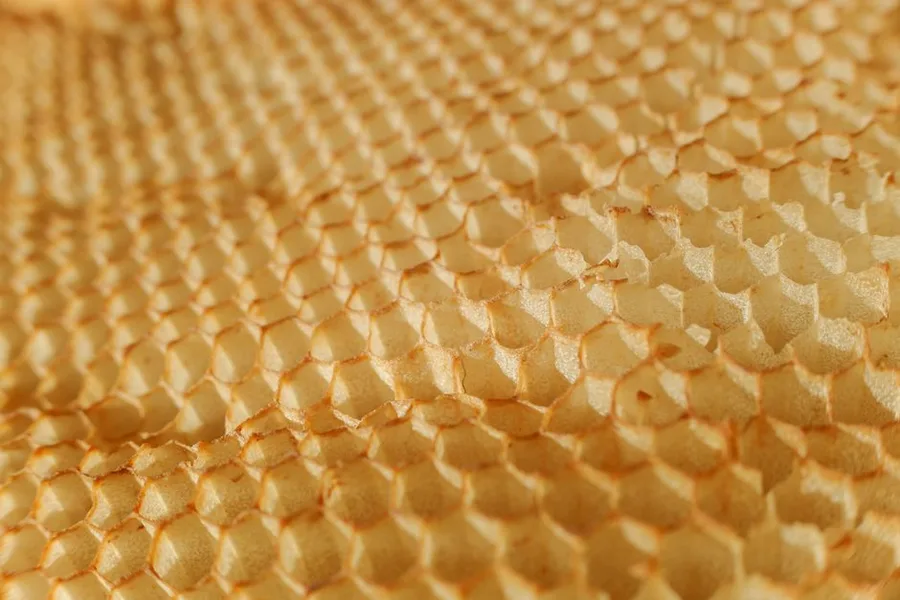
Beeswax is a natural wax produced by honeybees, used for centuries in cosmetics, food wraps, candles, and wood polish. It is non-toxic, hypoallergenic, and biodegradable, making it a popular choice for eco-conscious consumers. This guide explains what beeswax is, its benefits, common uses, safety, and how it compares to alternatives.
What Is Beeswax?
Beeswax is a natural wax secreted by worker honeybees (Apis mellifera) to build honeycomb cells. It is composed of over 300 compounds, primarily esters, fatty acids, and long-chain alcohols. According to the National Honey Board, beeswax is produced by bees as a building material for their hives. It is harvested by beekeepers after extracting honey, then cleaned and processed for various uses.
Why Beeswax Matters in 2026
In 2026, consumers are increasingly seeking sustainable, non-toxic alternatives to petroleum-based products. Beeswax is renewable, biodegradable, and has a low environmental footprint. According to a 2023 report by Grand View Research, the global beeswax market was valued at $1.2 billion and is expected to grow due to demand for natural cosmetics and food packaging. This makes beeswax a relevant choice for health-conscious and environmentally aware individuals.
Who Is Beeswax For?
Beeswax is for anyone looking for a natural, versatile ingredient in personal care, home goods, or food storage. It is especially suited for:
- People with sensitive skin or allergies to synthetic ingredients.
- Eco-conscious consumers aiming to reduce plastic waste.
- DIY enthusiasts who make their own cosmetics, candles, or polishes.
- Parents seeking safe, non-toxic products for children.
Common Uses of Beeswax
In Cosmetics and Skincare
Beeswax is a key ingredient in lip balms, lotions, and creams due to its emollient properties. It forms a protective barrier on the skin, locking in moisture without clogging pores. According to a 2021 study published in the Journal of Cosmetic Dermatology, beeswax-based formulations were effective in improving skin hydration and reducing transepidermal water loss.
In Food Storage and Preparation
Beeswax wraps are a popular eco-friendly alternative to plastic wrap. They are made by infusing cotton fabric with beeswax, resin, and jojoba oil. These wraps are pliable, washable, and can be used to cover bowls, wrap sandwiches, or store produce. According to a 2022 report by the Ellen MacArthur Foundation, replacing plastic food packaging with reusable alternatives like beeswax wraps could reduce single-use plastic waste significantly.
In Candles
Beeswax candles burn longer and cleaner than paraffin candles, producing little to no soot. They also emit a natural, subtle honey scent. According to a 2020 study by the American Chemical Society, beeswax candles release fewer volatile organic compounds (VOCs) than paraffin candles, making them a healthier choice for indoor air quality.
In Wood Polish and Leather Care
Beeswax is used in furniture polish and leather conditioners to protect and nourish surfaces. It creates a water-resistant coating and enhances the natural luster of wood and leather. Many commercial polishes contain beeswax as a primary ingredient, and DIY recipes often combine it with olive oil or coconut oil.
How Beeswax Is Harvested and Processed
Beeswax is harvested by beekeepers when they extract honey from the hive. The wax caps from honeycomb cells are melted, filtered, and purified to remove debris and impurities. The resulting wax can be used in its natural yellow form or bleached to white. According to the Food and Agriculture Organization (FAO), global beeswax production was approximately 60,000 tonnes in 2021, with major producers including India, Ethiopia, and Argentina.
Beeswax vs. Other Waxes: A Quick Comparison
| Property | Beeswax | Paraffin Wax | Soy Wax | Candelilla Wax |
|---|---|---|---|---|
| Source | Natural (honeybees) | Petroleum byproduct | Soybean oil | Plant (candelilla shrub) |
| Biodegradability | Yes | No | Yes | Yes |
| Toxicity | Non-toxic | Can release toxins when burned | Non-toxic | Non-toxic |
| Burn time | Long, clean | Short, sooty | Medium | Medium |
| Scent | Natural honey | None (often scented) | None | None |
| Cost | Moderate | Low | Moderate | High |
Safety and Precautions
Beeswax is generally recognized as safe (GRAS) by the U.S. Food and Drug Administration (FDA) for use in food and cosmetics. However, individuals with a known allergy to bee products, such as propolis, may experience allergic reactions. According to the American Academy of Allergy, Asthma & Immunology, allergic contact dermatitis from beeswax is rare but possible. Always patch-test new products containing beeswax if you have sensitive skin.
Environmental Impact of Beeswax
Beeswax is a sustainable byproduct of honey production, requiring no additional land or resources. Its production supports bee populations, which are vital for pollination. According to the Food and Agriculture Organization (FAO), bees pollinate 75% of the world’s food crops. Choosing beeswax products can contribute to bee conservation efforts and reduce reliance on synthetic, petroleum-based materials.
How to Choose Quality Beeswax
When buying beeswax, consider:
- Purity: Look for 100% pure beeswax without additives.
- Color: Natural yellow beeswax is less processed than white (bleached) beeswax.
- Origin: Locally sourced beeswax supports regional beekeepers and reduces carbon footprint.
- Certifications: Look for organic or cruelty-free certifications if those matter to you.
Common Questions About Beeswax
Is beeswax vegan?
No, beeswax is an animal-derived product, so it is not considered vegan. However, it is cruelty-free if harvested responsibly.
Does beeswax expire?
Beeswax has a long shelf life and does not spoil, but it can lose its aroma over time. Stored in a cool, dry place, it can last indefinitely.
Can I eat beeswax?
Yes, beeswax is edible and used as a glazing agent on some foods. However, it passes through the body undigested, so consume in moderation.
The Bottom Line
Beeswax is a versatile, natural substance with a wide range of applications, from skincare to food storage. Its sustainability, safety, and efficacy make it a valuable ingredient in an eco-conscious lifestyle. While it may not be suitable for vegans or those with bee allergies, for most people, beeswax offers a safe and effective alternative to synthetic products.
Now that you understand the basics of beeswax, explore our related guides on natural skincare ingredients and sustainable living to make informed choices.
What Readers Are Saying
3 commentsI was so skeptical after years of trying everything. But 3 months in and I've lost 22 lbs. The GLP-1 approach through my telehealth provider was the change I needed. Wish I'd found this a year ago.
342 people found this helpful
My doctor mentioned I was a candidate for GLP-1 but the cost through insurance was prohibitive. Found a telehealth option for under $200/month which is a game-changer.
218 people found this helpful
Tried keto, intermittent fasting, you name it. The biological approach finally made things click. Down 18 lbs in 8 weeks and my energy is back.
156 people found this helpful
Based on this article
Why Diets Keep Failing You
Compounded Tirzepatide and Semaglutide deliver the same active ingredients as Ozempic and Mounjaro — through telehealth platforms for a fraction of the brand-name cost
Top pick: Gala · Starting at $179/mo — lowest price in the US
Related Solution Guides
Why Diets Keep Failing You — And the Prescription That Produces 15–22% Weight Loss Without $1,500/Month Ozempic
Compounded Tirzepatide and Semaglutide deliver the same active ingredients as Ozempic and Mounjaro — through telehealth platforms for a fraction of the brand-name cost
You've Tried to Quit Vaping. Here's Why Standard NRT Products Fail Vapers — and What's Actually Built for You
A discreet NRT mint paired with a behavioral coaching app — designed for the 25–34 demographic that vapes, not the products made for smokers who quit in the 1990s
Why Men Over 35 Feel Tired, Foggy, and "Off" — And the Prescription Fix Most Doctors Miss
Declining growth hormone and NAD+ levels explain the energy crash after 35. Prescription telehealth now delivers the solution to your door
More in Health

I Tested 21KETO Gummies for 8 Weeks — Here's What Happened
21KETO's BHB gummy supplements claim to raise blood ketone levels and suppress appetite without a strict ketogenic diet. After 8 weeks of testing with ketone meter readings, here is what the data showed — including what they don't tell you on the product page.

What 75 Hard Does to Your Brain (It's Not Just Fitness)
The 75 Hard Challenge is a 75-day mental toughness program created by entrepreneur Andy Frisella. Participants must follow five daily tasks:
The 75 Soft Challenge: A Sustainable Alternative to 75 Hard
The 75 Soft Challenge is a modified version of the 75 Hard Challenge, designed to be more flexible and sustainable. While exact rules vary,