Avocado 101: Nutrition, Health Benefits, and How to Choose
Explore avocado nutrition facts, health benefits, and tips for choosing and storing. Learn why this fruit deserves a place in your diet in 2026.
Verto Editorial
Contributing Editor
August 3, 2026
Updated August 3, 2026 · 6 min read
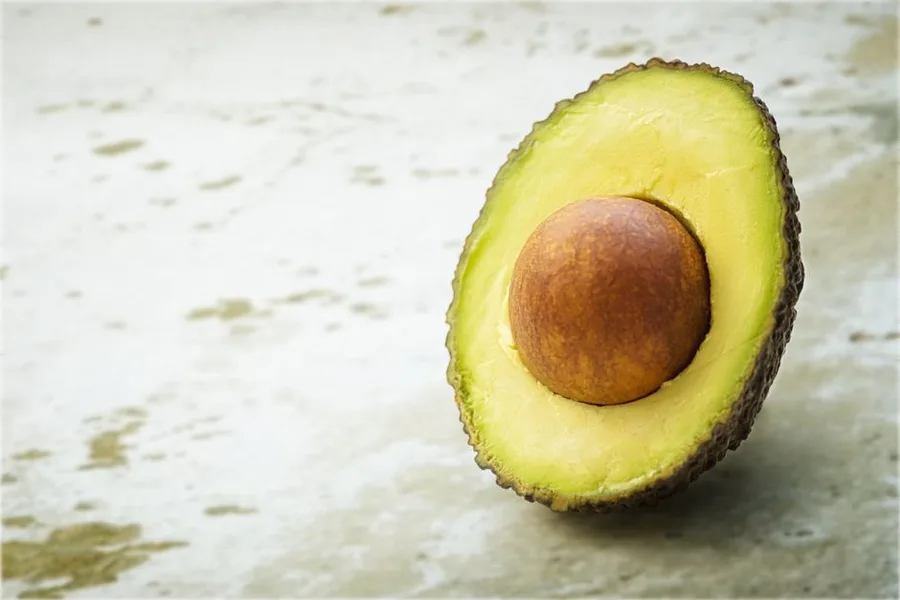
Avocado is a nutrient-dense fruit native to south-central Mexico, prized for its creamy texture and heart-healthy monounsaturated fats. A single 100-gram serving provides 160 calories, 14.7 grams of fat (mostly oleic acid), 6.7 grams of fiber, and significant amounts of potassium, folate, and vitamins C, E, and K. According to the U.S. Department of Agriculture (USDA) FoodData Central, avocados contain more potassium than bananas, with 485 mg per 100 grams compared to 358 mg in bananas. This guide explains what avocados are, why they matter for your health, and how to select and store them, so you can confidently incorporate them into your daily diet.
What is an avocado?
An avocado is a large berry with a single seed, scientifically known as Persea americana, belonging to the Lauraceae family, which also includes cinnamon and bay laurel. It originated in south-central Mexico, where it was first cultivated over 5,000 years ago. Today, Mexico remains the largest producer, followed by the Dominican Republic, Peru, Indonesia, and Colombia, according to the Food and Agriculture Organization (FAO) of the United Nations. The fruit is celebrated for its high content of monounsaturated fats, particularly oleic acid, which is also the primary fat in olive oil. Unlike most fruits, which are high in carbohydrates, avocados are low in carbs and rich in healthy fats, making them a unique addition to a balanced diet.
Why avocado matters for your health
Avocado consumption is linked to numerous health benefits, supported by a growing body of scientific research. A 2022 study published in the Journal of the American Heart Association found that eating at least two servings of avocado per week was associated with a 16% lower risk of cardiovascular disease and a 21% lower risk of coronary heart disease, compared to those who rarely or never ate avocados. The fruit’s high fiber content supports digestive health, with one avocado providing about 40% of the daily recommended fiber intake. Additionally, avocados are rich in antioxidants like lutein and zeaxanthin, which are known to support eye health and may reduce the risk of age-related macular degeneration, according to a 2021 review in Nutrients. These benefits make avocados a valuable component of a heart-healthy, nutrient-rich diet.
Who should eat avocados?
Avocados are suitable for almost everyone, including those following vegetarian, vegan, ketogenic, or gluten-free diets. They are an excellent source of healthy fats for individuals looking to improve their cholesterol levels, as the monounsaturated fats can help reduce LDL (bad) cholesterol while increasing HDL (good) cholesterol. Pregnant women can benefit from the high folate content, which is crucial for fetal development. Athletes may appreciate avocados for their potassium content, which helps maintain electrolyte balance and muscle function. However, because avocados are calorie-dense, individuals aiming for weight loss should consume them in moderation, as part of a calorie-controlled diet. Always consult a healthcare provider if you have specific dietary concerns or conditions such as kidney disease, where potassium intake may need monitoring.
How to choose a ripe avocado
Choosing a ripe avocado can be tricky, but a few simple tips can help. First, check the color: darker skin often indicates ripeness, but the most reliable method is the gentle squeeze test. Hold the avocado in the palm of your hand and apply light pressure; it should yield slightly without feeling mushy. The stem nub is another indicator: if you can easily flick it off and the area underneath is green, the avocado is ripe; if it is brown, it may be overripe. Avoid avocados with dark sunken spots or cracks, as these can indicate bruising or decay. For immediate use, choose an avocado that feels slightly soft; for later use, select a firmer one and allow it to ripen at room temperature over 2-3 days. According to the California Avocado Commission, avocados do not ripen on the tree; they only ripen after harvest, which is why you can buy them firm and ripen them at home.
How to store avocados to keep them fresh
Once ripe, avocados should be stored in the refrigerator to slow down further ripening and extend their shelf life. A whole ripe avocado can last 2-3 days in the fridge. If you have cut an avocado, sprinkle the exposed flesh with lemon or lime juice to prevent browning, then wrap it tightly in plastic wrap or place it in an airtight container with the pit left in. This method can keep the avocado fresh for up to 2 days. For longer storage, you can freeze avocado: mash it with a little lemon juice and store in an airtight container for up to 6 months. According to the USDA, freezing avocados preserves most of their nutritional value, making it a convenient option for smoothies or spreads.
Nutritional breakdown of avocado
To give you a clear picture of avocado’s nutritional profile, here is the breakdown for a standard 100-gram serving (about half a medium avocado), based on data from the USDA FoodData Central:
| Nutrient | Amount per 100g | % Daily Value* |
|---|---|---|
| Calories | 160 kcal | 8% |
| Total Fat | 14.7 g | 22% |
| - Saturated Fat | 2.1 g | 11% |
| - Monounsaturated Fat | 9.8 g | – |
| - Polyunsaturated Fat | 1.8 g | – |
| Carbohydrates | 8.5 g | 3% |
| Fiber | 6.7 g | 27% |
| Protein | 2.0 g | 4% |
| Potassium | 485 mg | 14% |
| Folate | 81 mcg | 20% |
| Vitamin C | 10 mg | 17% |
| Vitamin E | 2.1 mg | 11% |
| Vitamin K | 21 mcg | 26% |
*Percent Daily Values are based on a 2,000-calorie diet.
How to incorporate avocados into your diet
Avocados are incredibly versatile and can be enjoyed in many ways. Spread mashed avocado on whole-grain toast for a quick breakfast, add slices to salads or sandwiches for extra creaminess, or blend into smoothies for a nutrient boost. Avocado can also replace butter or oil in baking, reducing saturated fat while adding moisture. For a simple snack, sprinkle avocado with salt, pepper, and a squeeze of lime. The World Health Organization (WHO) recommends including avocados in a diet rich in fruits and vegetables to help meet the daily intake of 400 grams of fruits and vegetables for disease prevention. With their mild flavor and creamy texture, avocados easily pair with both sweet and savory dishes, making them a staple in many cuisines.
Common misconceptions about avocados
Despite their popularity, several misconceptions persist. One common myth is that avocados are fattening. While they are calorie-dense, the fats they contain are primarily monounsaturated, which are beneficial for heart health. A 2019 study in Nutrients found that avocado consumption was associated with lower body weight and BMI in adults. Another misconception is that avocados are high in carbohydrates, but with only 8.5 grams per 100 grams, they are considered a low-carb food. Some people believe that avocados are a vegetable, but botanically they are a fruit. Additionally, there is a myth that you cannot eat the seed; while the seed is hard and bitter, it is technically edible, but it is not recommended to consume it regularly due to potential toxicity and lack of research. According to the FDA, the avocado seed is not commonly eaten and should be avoided for safety.
What is the environmental impact of avocado production?
Avocado production has a significant environmental footprint. According to a 2021 report by the Water Footprint Network, it takes approximately 1,200 liters of water to produce one kilogram of avocados, which is higher than many other fruits. The growing global demand has led to deforestation in some producing regions, particularly in Mexico, where avocado orchards have expanded into pine forests. This has raised concerns about biodiversity loss and water scarcity. However, some producers are adopting sustainable practices, such as intercropping and water-efficient irrigation. The Rainforest Alliance has developed certification standards for avocado farms to promote environmental and social responsibility. As a consumer, you can look for avocados certified by organizations like Rainforest Alliance or Fair Trade to support more sustainable production.
How do avocados compare to other healthy fats?
Avocados are often compared to other sources of healthy fats like olive oil, nuts, and seeds. Here is a quick comparison based on a 100-gram serving, according to the USDA:
| Fat Source | Calories | Total Fat (g) | Monounsaturated Fat (g) | Fiber (g) | Key Nutrients |
|---|---|---|---|---|---|
| Avocado | 160 | 14.7 | 9.8 | 6.7 | Potassium, folate, vitamins C, E, K |
| Olive Oil | 884 | 100 | 73 | 0 | Vitamin E |
| Almonds | 579 | 49.9 | 31.6 | 12.5 | Vitamin E, magnesium |
| Chia Seeds | 486 | 30.7 | 2.3 | 34.4 | Omega-3, calcium |
Avocados offer a unique combination of healthy fats, fiber, and a broad range of vitamins and minerals, making them a nutrient-dense choice. Unlike oils, they provide fiber and a variety of micronutrients. Compared to nuts and seeds, avocados are lower in calories per gram and can be eaten in larger volumes, which may help with satiety.
Frequently asked questions about avocados
Is avocado a fruit or a vegetable? Avocado is a fruit, specifically a large berry with a single seed. It grows on the avocado tree (Persea americana) and is classified botanically as a fruit, though it is often used as a vegetable in culinary contexts.
Can I eat avocado every day? Yes, eating avocado every day is generally safe and can be part of a healthy diet. A 2021 study in the Journal of Nutrition found that daily avocado consumption improved diet quality and lowered LDL cholesterol levels. However, portion control is key, as avocados are calorie-dense.
How many calories are in an avocado? A typical medium avocado weighs about 150 grams, and the edible portion is about 100 grams, providing approximately 160 calories. Larger avocados can have up to 240 calories each.
What is the best way to ripen an avocado quickly? To ripen an avocado faster, place it in a paper bag with a banana or apple. These fruits release ethylene gas, which speeds up the ripening process. This method can ripen an avocado in 1-2 days.
Can I eat avocado seed? While avocado seeds are technically edible, they are hard, bitter, and contain compounds that may have toxic effects. The FDA advises against consuming avocado seeds due to lack of safety data. It is best to discard the seed.
Are avocados keto-friendly? Yes, avocados are keto-friendly. They are low in carbohydrates (8.5 grams per 100 grams) and high in healthy fats, making them an excellent choice for a ketogenic diet.
Now that you understand the basics
You now have a solid understanding of what avocados are, their nutritional profile, and how to select and store them. In 2026, avocados remain a top choice for health-conscious consumers, backed by scientific evidence supporting their benefits for heart health, digestion, and overall well-being. To explore more about incorporating healthy foods into your diet, check out our guides on Mediterranean diet basics and Healthy fats explained.
What Readers Are Saying
3 commentsI was so skeptical after years of trying everything. But 3 months in and I've lost 22 lbs. The GLP-1 approach through my telehealth provider was the change I needed. Wish I'd found this a year ago.
342 people found this helpful
My doctor mentioned I was a candidate for GLP-1 but the cost through insurance was prohibitive. Found a telehealth option for under $200/month which is a game-changer.
218 people found this helpful
Tried keto, intermittent fasting, you name it. The biological approach finally made things click. Down 18 lbs in 8 weeks and my energy is back.
156 people found this helpful
Based on this article
Why Diets Keep Failing You
Compounded Tirzepatide and Semaglutide deliver the same active ingredients as Ozempic and Mounjaro — through telehealth platforms for a fraction of the brand-name cost
Top pick: Gala · Starting at $179/mo — lowest price in the US
Related Solution Guides
Why Diets Keep Failing You — And the Prescription That Produces 15–22% Weight Loss Without $1,500/Month Ozempic
Compounded Tirzepatide and Semaglutide deliver the same active ingredients as Ozempic and Mounjaro — through telehealth platforms for a fraction of the brand-name cost
You've Tried to Quit Vaping. Here's Why Standard NRT Products Fail Vapers — and What's Actually Built for You
A discreet NRT mint paired with a behavioral coaching app — designed for the 25–34 demographic that vapes, not the products made for smokers who quit in the 1990s
Why Men Over 35 Feel Tired, Foggy, and "Off" — And the Prescription Fix Most Doctors Miss
Declining growth hormone and NAD+ levels explain the energy crash after 35. Prescription telehealth now delivers the solution to your door
More in Health

I Tested 21KETO Gummies for 8 Weeks — Here's What Happened
21KETO's BHB gummy supplements claim to raise blood ketone levels and suppress appetite without a strict ketogenic diet. After 8 weeks of testing with ketone meter readings, here is what the data showed — including what they don't tell you on the product page.

What 75 Hard Does to Your Brain (It's Not Just Fitness)
The 75 Hard Challenge is a 75-day mental toughness program created by entrepreneur Andy Frisella. Participants must follow five daily tasks:

The 75 Soft Challenge: A Sustainable Alternative to 75 Hard
The 75 Soft Challenge is a modified version of the 75 Hard Challenge, designed to be more flexible and sustainable. While exact rules vary,