Foodie Culture Explained: A 2026 Guide to the Movement
Discover what it means to be a foodie in 2026, from the core traits and modern trends to how the movement shapes dining, media, and home cooking.
Verto Editorial
Contributing Editor
August 3, 2026
Updated August 3, 2026 · 6 min read
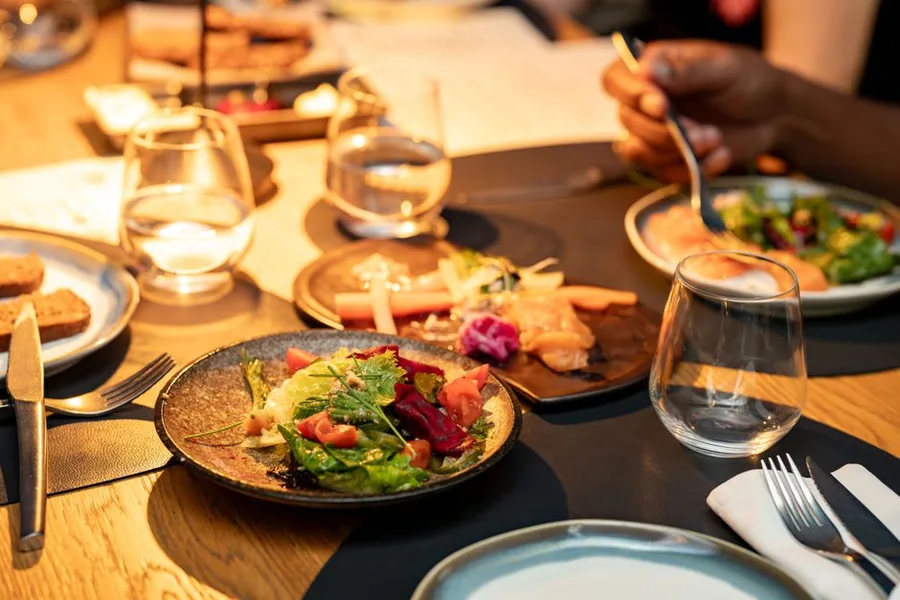
What Is a Foodie in 2026?
A foodie is someone with a passionate, ongoing interest in food and drink — not just eating, but exploring the culture, craft, and story behind what they consume. In 2026, the term has evolved beyond a simple hobbyist label to describe a broad movement that influences how people dine, cook, shop, and engage with food media. This guide explains the defining traits of foodies, how the movement has changed, and why it matters for anyone curious about modern food culture.
Why Foodie Culture Matters in 2026
Foodie culture matters because it shapes consumer behavior, restaurant trends, and even how food is produced and marketed. According to a 2025 report by the National Restaurant Association, 72% of adults say they are more interested in trying new foods than they were five years ago, and 68% say they research a restaurant online before visiting. This shift has pushed restaurants to prioritize unique experiences and transparency about ingredients. For individuals, understanding foodie culture helps you make more informed choices about where you eat and what you buy, whether you are a casual diner or a dedicated enthusiast.
Who Is a Foodie? Key Traits and Behaviors
Foodies share several common traits that set them apart from casual eaters. They actively seek out new flavors, often traveling or exploring neighborhoods specifically to find hidden gems. They care about where their food comes from, favoring local, sustainable, and ethical producers. They enjoy talking about food — reading about it, watching shows, and posting on social media. According to a 2024 survey by the Specialty Food Association, 61% of self-identified foodies say they cook at home at least four times a week, and 54% say they have tried a new cuisine in the past month. Foodies also tend to be early adopters of food trends, from global street foods to fermentation and plant-based innovations.
The Evolution of the Foodie Movement
The term “foodie” first gained traction in the 1980s, popularized by food writers like Gael Greene and the book The Foodie Handbook by Ann Barr and Paul Levy (1984). Initially, it described a niche group of connoisseurs, but the rise of food television, blogs, and social media in the 2000s and 2010s democratized the label. By 2026, the foodie movement is driven by platforms like Instagram, TikTok, and YouTube, where home cooks and street vendors can achieve global fame. A 2025 study by the Pew Research Center found that 45% of American adults follow at least one food-related account on social media, and 28% have tried a recipe they saw online. This digital shift has made food culture more accessible and participatory than ever.
How Foodies Shape the Restaurant Industry
Foodies are a powerful force in the restaurant industry. They are willing to pay more for quality and authenticity, and they often become loyal regulars at independent establishments. According to a 2025 report by Toast, foodies spend an average of $85 per meal at restaurants, compared to $45 for the average diner. They also drive demand for chef’s tastings, seasonal menus, and open kitchens, where they can watch the craft in action. Restaurants that cater to foodies often emphasize storytelling — sharing the origin of ingredients or the inspiration behind a dish — because foodies value the narrative as much as the taste.
Foodie Trends to Watch in 2026
Several trends are shaping foodie culture in 2026. Hyper-local sourcing is a major focus, with foodies seeking out restaurants and products that highlight regional ingredients. Zero-waste cooking is also on the rise, driven by a 2025 survey from the James Beard Foundation showing that 58% of foodies consider sustainability important when choosing where to eat. Global flavors continue to dominate, with a growing interest in regional cuisines like Oaxacan, Ethiopian, and Filipino. Technology is also playing a role: AI-powered meal planning and food discovery apps are helping foodies find new experiences tailored to their tastes.
Foodie vs. Gourmet: What’s the Difference?
While the terms are sometimes used interchangeably, “foodie” and “gourmet” have distinct meanings. A gourmet is someone who has refined taste and knowledge about fine food and wine, often associated with high-end dining. A foodie, on the other hand, is defined by enthusiasm and curiosity rather than expertise. Foodies may love a gourmet tasting menu, but they are equally excited by a perfect taco from a street cart. The table below summarizes the key differences.
| Aspect | Foodie | Gourmet |
|---|---|---|
| Primary motivation | Exploration and fun | Refinement and appreciation |
| Knowledge level | Varies, but passionate | Deep and specialized |
| Typical dining choices | Diverse, from street food to fine dining | Focused on high-end or classic cuisine |
| Attitude toward food | Adventurous and open-minded | Discerning and critical |
| Social media presence | Often active, sharing discoveries | May be more private, but influential |
How to Embrace Foodie Culture in Your Own Life
You don’t need a culinary degree to enjoy foodie culture. Start by exploring one new cuisine each month, whether by visiting a new restaurant or cooking a recipe from a different country. Visit local farmers’ markets to learn about seasonal produce and meet the people who grow it. Watch documentaries or read books about food history to deepen your appreciation. According to a 2025 guide by the Culinary Institute of America, the best way to develop your palate is to taste foods with an open mind and take notes on what you like and why. Remember, being a foodie is about joy and curiosity, not elitism.
The Future of Foodie Culture
As we look ahead, foodie culture is likely to become even more inclusive and technology-driven. Virtual cooking classes, augmented reality menus, and AI-generated recipes are just a few innovations that could expand how people engage with food. A 2026 trend report by the World Food Travel Association predicts that “foodie tourism” will grow by 20% annually, with travelers choosing destinations based on their culinary scenes. At the same time, the movement is becoming more global, with foodies from all over the world sharing and celebrating their local traditions. The core spirit remains the same: a genuine love for food and the stories it tells.
Now That You Understand the Basics
Now that you understand the basics of foodie culture, you can explore it further through our guides on food trends, cooking techniques, and how to discover new dining experiences. Check out related articles in our food category to continue your journey.
What Readers Are Saying
3 commentsBark sent me an alert on day 11. My daughter had been talking to someone she didn't know on Discord. I would never have found out on my own. Worth every penny of the $14.
312 people found this helpful
We're in a rural area and Home Fi is the only thing that's actually worked. Starlink had an 8-month waitlist. This was plug-and-play in under 10 minutes.
241 people found this helpful
JustAnswer saved me $400 in lawyer fees. Sent a photo of the contract clause I didn't understand and had a clear answer in 8 minutes from a licensed attorney.
188 people found this helpful
Based on this article
500,000 Families Use Bark to Monitor 30+ Apps for Cyberbullying, Predators, and Depression
AI-powered monitoring that alerts parents to genuine risks without invading a teen's privacy — starting at $5/month
Top pick: Bark · AI monitoring · Award-winning · 500K+ families
Related Solution Guides
500,000 Families Use Bark to Monitor 30+ Apps for Cyberbullying, Predators, and Depression — Without Reading Every Message
AI-powered monitoring that alerts parents to genuine risks without invading a teen's privacy — starting at $5/month
Stuck With Slow Rural Internet Because the Big Providers Don't Bother — Here's What Actually Works Outside the City
Wireless home internet that doesn't require cable lines — works in rural areas, RVs, and places the big ISPs don't serve
Skip the $300 Consultation — Get Expert Answers Online in Minutes
Real doctors, lawyers, mechanics, and financial advisors answer your questions for a fraction of the cost — typically within minutes
More in Food & Drink
What 67 Water Really Means (It's Not What You Think)
The term '67 water' is ambiguous. It could refer to a specific water brand (e.g., '67 Water' as a product name), water with a pH of 6.7, or

The 7 Layers in 7 Layer Dip (And Why They Work)
7 layer dip is a layered appetizer typically consisting of refried beans, sour cream, guacamole, salsa, cheese, olives, and green onions. It
Agave Syrup: Sweeter Than Sugar, But Is It Healthier?
Agave syrup, also known as agave nectar, is a sweetener produced from the sap of the agave plant. It is sweeter than sugar and has a lower g