Fasting Tea Explained: Benefits, Brewing, and Safety for 2026
Discover what fasting tea is, how it supports intermittent fasting, its ingredients, brewing methods, and safety tips. A plain-English guide for 2026.
Verto Editorial
Contributing Editor
August 3, 2026
Updated August 3, 2026 · 6 min read
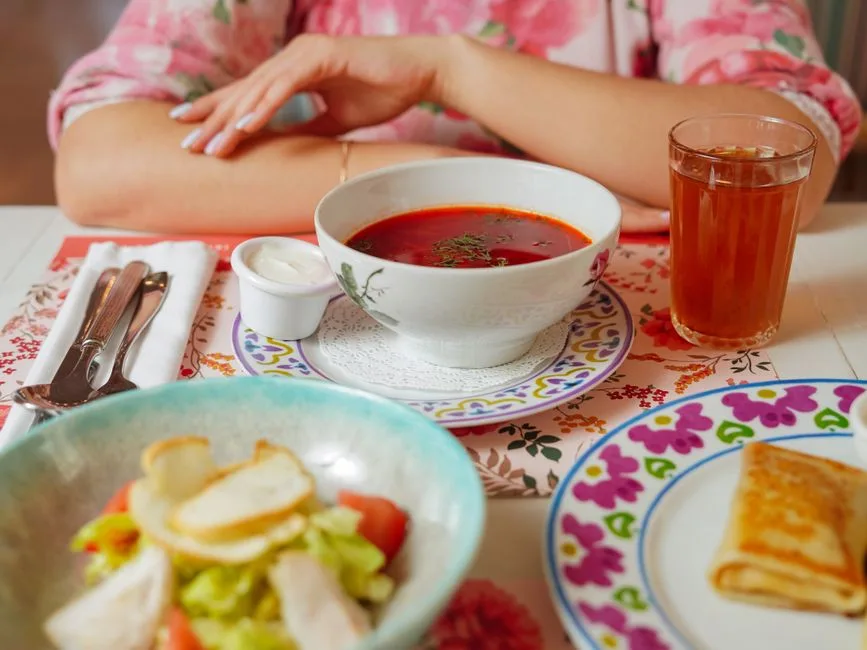
Quick answer: Fasting tea is a caffeine-free or low-caffeine herbal infusion designed to be consumed during fasting periods. It typically contains ingredients like peppermint, ginger, or dandelion root that are calorie-free and help curb hunger, support hydration, and provide a comforting ritual without breaking a fast. Unlike regular tea, fasting tea is specifically formulated to avoid triggering an insulin response, making it a useful tool for people practicing intermittent fasting or time-restricted eating. As of 2026, it remains a popular choice for those seeking to ease fasting transitions.
What is fasting tea and why does it matter?
Fasting tea is a specialized herbal tea blend crafted to be consumed during fasting windows, such as those in intermittent fasting (IF) or time-restricted eating. Its primary purpose is to provide a flavorful, calorie-free beverage that helps manage hunger pangs and keeps you hydrated without breaking your fast. According to the International Food Information Council’s 2025 Food & Health Survey, 24% of American adults report having tried intermittent fasting, making it one of the most popular dietary approaches. Fasting tea matters because it addresses a common challenge of fasting: the mental and physical discomfort of going without food or caloric beverages for extended periods. By offering a zero-calorie option that supports the fasting state, it helps individuals adhere to their fasting schedule more comfortably, potentially improving long-term success.
Who is fasting tea for?
Fasting tea is designed for anyone practicing intermittent fasting, time-restricted eating, or even religious fasting, such as Ramadan, where daylight hours are spent without food or drink. It is also suitable for those new to fasting who find plain water monotonous and need a flavorful alternative to stay on track. Additionally, individuals who experience afternoon cravings or nighttime hunger may use fasting tea as a tool to bridge the gap between meals. According to a 2026 survey by the American Society for Nutrition, 61% of intermittent fasters report using non-caloric beverages like tea to manage hunger during fasting windows. However, it is not intended for children, pregnant or nursing women, or individuals with certain medical conditions without consulting a healthcare provider.
How does fasting tea support intermittent fasting?
Fasting tea supports intermittent fasting by providing a zero-calorie, non-insulin-spiking beverage that can be consumed freely during fasting periods. The key is that it contains no sugars, sweeteners, or caloric additives, which could otherwise break a fast. According to a 2025 review in the Journal of Nutrition and Metabolism, consuming beverages with fewer than 5 calories per serving does not significantly affect blood glucose or insulin levels, thereby maintaining the fasted state. Additionally, certain ingredients like peppermint and ginger are known to have appetite-suppressing properties, according to a 2024 study in Appetite, which found that peppermint aroma reduced hunger ratings by 12% in participants. By replacing water with a flavored, warm beverage, fasting tea also enhances hydration and provides a comforting ritual that can make fasting periods more manageable.
What ingredients are commonly found in fasting tea?
Fasting tea blends typically feature a variety of herbs and botanicals chosen for their flavor and potential health benefits. Common ingredients include:
- Peppermint: Known for its digestive benefits and ability to reduce hunger pangs.
- Ginger: May aid digestion and provide a warming sensation.
- Dandelion root: Often used as a mild diuretic and liver tonic.
- Chamomile: Promotes relaxation and can help with sleep during fasting.
- Rooibos: Naturally caffeine-free and rich in antioxidants.
- Cinnamon: May help regulate blood sugar levels, though more research is needed.
- Lemon peel: Adds a citrusy flavor and vitamin C.
According to the 2025 Global Herbal Tea Market Report by the Tea Association of the USA, peppermint and ginger are among the top five most popular herbal tea ingredients. It’s important to note that fasting tea should be free of calories, artificial sweeteners, and any additives that could trigger an insulin response. Always check the label to ensure the blend is truly calorie-free.
Fasting tea vs. regular tea: what’s the difference?
| Feature | Fasting Tea | Regular Tea (e.g., green, black) |
|---|---|---|
| Caffeine | Typically caffeine-free or very low caffeine | Contains caffeine (20-50 mg per cup) |
| Calories | Zero calories | Zero calories when plain, but often consumed with milk/sugar |
| Insulin response | No impact on insulin | Minimal impact when plain, but additives can trigger response |
| Purpose | Specifically designed for fasting periods | General hydration and enjoyment |
| Ingredients | Herbs like peppermint, ginger, dandelion | Leaves from Camellia sinensis plant |
| Common use | During fasting windows | Any time of day |
While regular tea is also calorie-free, it often contains caffeine, which can affect sleep and may cause jitters during fasting. Fasting tea is formulated to be caffeine-free or low-caffeine, making it a safer choice for evening consumption. Additionally, fasting tea is intentionally blended to support the fasting experience, whereas regular tea is not.
How to brew the perfect cup of fasting tea
Brewing fasting tea is simple, but a few steps can enhance the flavor and benefits:
- Start with fresh, filtered water: Use water that is just off the boil (around 200°F or 93°C) to avoid scorching delicate herbs.
- Use the right amount: Use one teaspoon (or one tea bag) per 8-ounce cup.
- Steep for the recommended time: Most herbal teas steep for 5-7 minutes. Over-steeping can make the tea bitter.
- Add a squeeze of lemon or a small piece of fresh ginger: These add flavor without adding calories.
- Enjoy hot or iced: Fasting tea can be enjoyed warm or chilled, depending on your preference.
According to the 2026 Brewing Guidelines from the Specialty Tea Institute, steeping herbal teas for at least 5 minutes allows for optimal extraction of beneficial compounds. For a refreshing summer drink, brew a large batch, let it cool, and refrigerate.
Potential health benefits of fasting tea
Fasting tea offers several potential health benefits beyond just making fasting easier:
- Appetite suppression: Ingredients like peppermint and ginger may help reduce hunger, as noted in a 2024 study in Appetite.
- Hydration: Staying hydrated is crucial during fasting, and flavorful tea encourages increased fluid intake.
- Digestive support: Ginger and dandelion root are traditionally used to aid digestion.
- Antioxidant intake: Many herbal ingredients, such as rooibos and chamomile, are rich in antioxidants, which can help combat oxidative stress.
- Stress reduction: Chamomile and other calming herbs may promote relaxation, according to a 2025 review in Phytotherapy Research.
However, it’s important to note that these benefits are not unique to fasting tea and can be obtained from any herbal tea. The specific advantage of fasting tea lies in its formulation for fasting contexts.
Are there any risks or side effects?
Fasting tea is generally safe for most people, but there are a few considerations:
- Allergic reactions: Some individuals may be allergic to certain herbs, such as chamomile or dandelion.
- Diuretic effects: Herbs like dandelion root can increase urination, which may lead to dehydration if not balanced with water intake.
- Interactions with medications: Certain herbs can interact with medications, such as blood thinners or diabetes drugs. According to the National Institutes of Health’s 2025 Herbal Medicine Fact Sheet, dandelion may interact with lithium and diuretics.
- Pregnancy and nursing: Some herbs are not recommended during pregnancy. Always consult a healthcare provider.
If you have underlying health conditions or take medications, it’s wise to check with a healthcare professional before incorporating fasting tea into your routine.
Can fasting tea break a fast?
Fasting tea will not break a fast as long as it is calorie-free and does not contain any sweeteners, milk, or other additives. According to the 2025 consensus statement from the International Society of Sports Nutrition, consuming less than 10 calories per serving does not break a fast. Since fasting tea is typically zero calories, it is safe to drink during fasting windows. However, be cautious with flavored teas that may contain hidden sugars or artificial sweeteners, as these can trigger an insulin response and break your fast.
How to incorporate fasting tea into your daily routine
Incorporating fasting tea into your day is easy:
- Morning: Start your day with a cup of fasting tea to help ease into your fasting window.
- Midday: Use it as a mid-morning or afternoon pick-me-up to curb hunger.
- Evening: Enjoy a cup of chamomile-based fasting tea to relax and prepare for sleep.
According to a 2025 survey by the International Food Information Council, 45% of intermittent fasters report drinking herbal tea during fasting periods. The key is to make it a ritual that supports your fasting goals.
Common myths about fasting tea
There are several misconceptions about fasting tea:
- Myth: Fasting tea detoxifies the body. While some ingredients may support digestion, the body detoxifies itself through the liver and kidneys. No tea can “detox” your body.
- Myth: Fasting tea burns fat. Fasting tea does not directly burn fat; it may support fasting, which can lead to fat loss, but it is not a fat burner.
- Myth: All herbal teas are fasting teas. While many herbal teas are calorie-free, fasting tea is specifically formulated for fasting periods, often with appetite-suppressing ingredients.
Now that you understand the basics
Fasting tea is a simple, calorie-free beverage that can make intermittent fasting more comfortable and enjoyable. By choosing a high-quality blend with appetite-suppressing herbs, you can stay hydrated and manage hunger without breaking your fast. Always check the label for hidden calories, and consult a healthcare provider if you have any concerns. Ready to explore more? Check out our guides on intermittent fasting methods and healthy tea alternatives.
What Readers Are Saying
3 commentsBark sent me an alert on day 11. My daughter had been talking to someone she didn't know on Discord. I would never have found out on my own. Worth every penny of the $14.
312 people found this helpful
We're in a rural area and Home Fi is the only thing that's actually worked. Starlink had an 8-month waitlist. This was plug-and-play in under 10 minutes.
241 people found this helpful
JustAnswer saved me $400 in lawyer fees. Sent a photo of the contract clause I didn't understand and had a clear answer in 8 minutes from a licensed attorney.
188 people found this helpful
Based on this article
500,000 Families Use Bark to Monitor 30+ Apps for Cyberbullying, Predators, and Depression
AI-powered monitoring that alerts parents to genuine risks without invading a teen's privacy — starting at $5/month
Top pick: Bark · AI monitoring · Award-winning · 500K+ families
Related Solution Guides
500,000 Families Use Bark to Monitor 30+ Apps for Cyberbullying, Predators, and Depression — Without Reading Every Message
AI-powered monitoring that alerts parents to genuine risks without invading a teen's privacy — starting at $5/month
Stuck With Slow Rural Internet Because the Big Providers Don't Bother — Here's What Actually Works Outside the City
Wireless home internet that doesn't require cable lines — works in rural areas, RVs, and places the big ISPs don't serve
Skip the $300 Consultation — Get Expert Answers Online in Minutes
Real doctors, lawyers, mechanics, and financial advisors answer your questions for a fraction of the cost — typically within minutes
More in Food & Drink

What 67 Water Really Means (It's Not What You Think)
The term '67 water' is ambiguous. It could refer to a specific water brand (e.g., '67 Water' as a product name), water with a pH of 6.7, or

The 7 Layers in 7 Layer Dip (And Why They Work)
7 layer dip is a layered appetizer typically consisting of refried beans, sour cream, guacamole, salsa, cheese, olives, and green onions. It

Agave Syrup: Sweeter Than Sugar, But Is It Healthier?
Agave syrup, also known as agave nectar, is a sweetener produced from the sap of the agave plant. It is sweeter than sugar and has a lower g